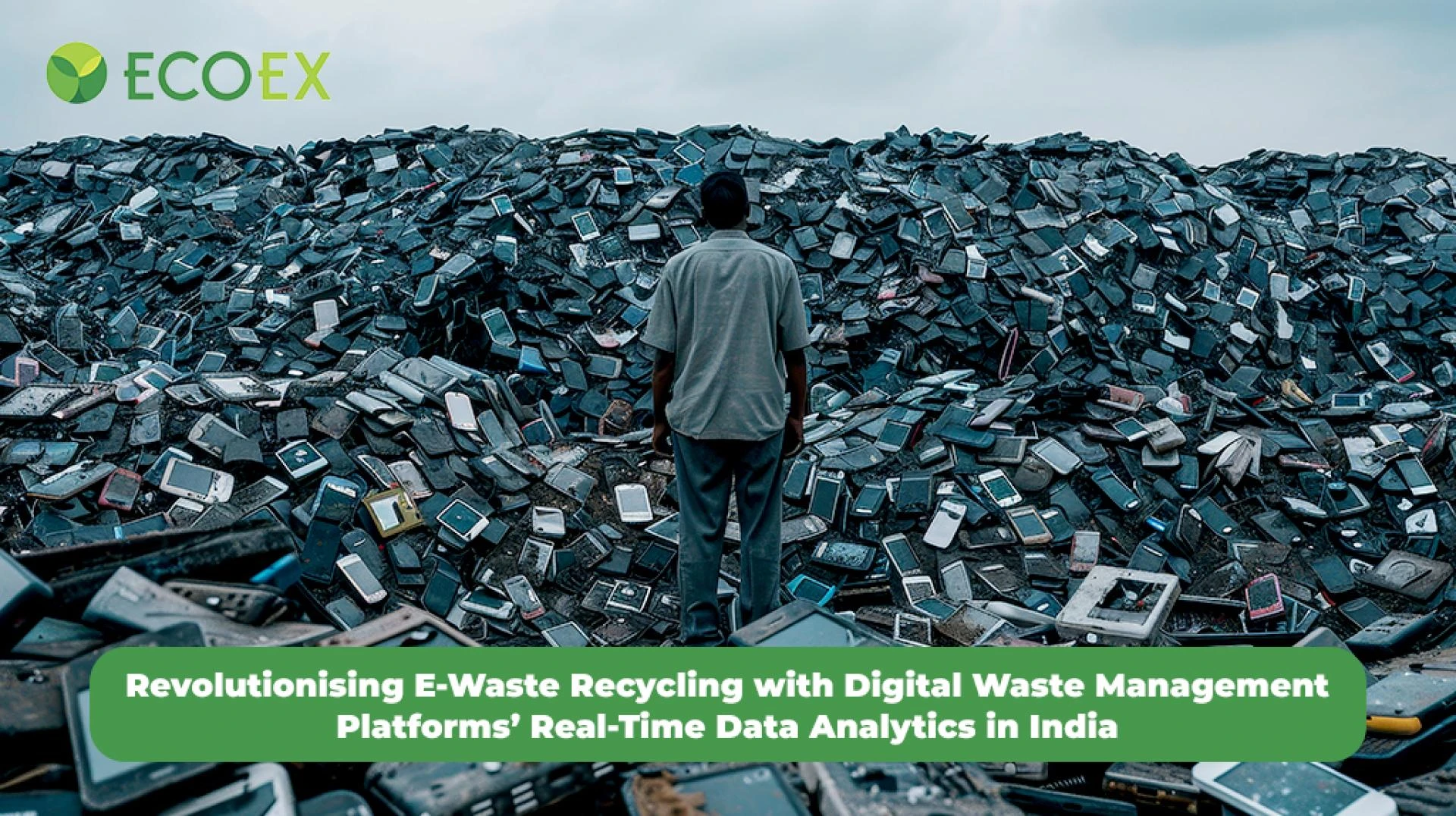

India’s e-waste problem is growing at a breakneck pace, fuelled by increasing consumption of electronic devices and short product lifecycles. Mountains of obsolete gadgets, from smartphones to laptops, pile up in households, offices, and informal scrap markets, creating environmental hazards and health risks. Traditional recycling methods struggle to cope with the volume, and compliance with EPR Compliance in India is a constant headache for producers.
Enter digital waste management platforms in India, which promise to revolutionise how e-waste is tracked, processed, and recycled. By leveraging real-time waste tracking, IoT-enabled collection, and predictive analytics for e-waste, these platforms provide a transparent, efficient, and accountable framework.
Readers who continue will discover how these technologies streamline logistics, enhance recycling efficiency, and ensure regulatory adherence, all while supporting a circular economy. Understanding the intersection of technology, compliance, and sustainability is no longer optional—it’s essential for modern e-waste management.
The Growing Challenge of E-Waste in India
E-waste generation in India is skyrocketing, thanks to rising digital adoption and short product lifespans. Millions of devices reach their end-of-life each year, and the informal sector often handles their disposal using unsafe methods, exposing workers and the environment to toxic substances. Compliance with the E-Waste (Management) Rules 2016 & 2022 has become mandatory, yet monitoring flows manually remains inefficient.
Producers struggle to meet collection targets, and regulators face difficulties verifying recycling and disposal data. The environmental cost is significant: hazardous substances seep into soil and water, while recoverable materials are lost. Digital Waste Management in India offers a solution by connecting stakeholders, providing traceability in e-waste management, and turning mountains of untracked waste into measurable, accountable streams.
By using data-driven insights, producers can optimise collection, recyclers can improve efficiency, and compliance officers can audit processes more accurately. The scale of the problem demands more than traditional methods; it requires intelligence integrated at every stage.
Introduction to Digital Waste Management Platforms in India
Digital waste management platforms in India function as centralised hubs linking producers, recyclers, and regulatory authorities. These platforms replace fragmented, manual processes with automated systems for collection logging, automated EPR reporting, and certification issuance. By integrating with government portals, they ensure seamless compliance with EPR Compliance in India.
The real power lies in transparency and real-time insights, where producers can see exactly how much e-waste is collected, how it is transported, and whether recyclers meet regulatory standards. Platforms also standardise data formats, reducing errors and audit discrepancies. Beyond regulatory compliance, they enable operational decision-making: optimising collection routes, predicting volumes, and monitoring recyclers’ efficiency.
The result is a data-driven ecosystem that aligns incentives, enhances accountability, and minimises environmental risks, making the e-waste value chain smarter, safer, and more responsive.
Real-Time Data Analytics: Definition and Applications
Real-time data analytics captures and processes e-waste data instantly, providing actionable insights at every step. Collection volumes, transport routes, recycler efficiency, and material segregation rates are monitored continuously.
Analytics can flag compliance deviations before they become problems, while E-waste segregation analytics ensures hazardous and recoverable components are correctly handled. Predictive modules use historical data to forecast waste inflows, enabling proactive resource allocation and route optimisation. Visual dashboards allow producers and regulators to view recycling metrics in real time, enhancing transparency across the E-waste value chain.
By converting raw data into measurable KPIs like recycling efficiency metrics and compliance status, these platforms turn complex operations into manageable, accountable processes. Instant insights also prevent losses and leakage, boosting both environmental and financial performance.
IoT Integration in Digital Platforms for E-Waste Monitoring
IoT devices, including smart bins, RFID tags, and GPS-enabled transport vehicles, integrate seamlessly with digital platforms. These tools capture detailed data about e-waste type, location, and status during collection and transport.
By using IoT-enabled waste collection, platforms ensure traceability and reduce pilferage while automating reporting for CPCB compliance in India. IoT also supports real-time alerts for full bins, maintenance needs, or transport delays, enabling proactive operational adjustments.
Challenges like sensor calibration, connectivity issues, and cybersecurity must be addressed, but the benefits far outweigh the drawbacks. IoT enables a holistic, end-to-end monitoring system that guarantees accountability, streamlines logistics, and ensures regulatory compliance with minimal manual intervention. The fusion of IoT and analytics transforms e-waste collection into an optimised, smart network.
Blockchain for Traceability and Secure Data Management
Blockchain technology ensures immutable, tamper-proof records of every step in e-waste handling. Blockchain in waste management uses smart contracts to release EPR credits or compliance certificates only after verifying predefined conditions. This guarantees that each transaction—from collection to recycling—is auditable and transparent.
Producers can trust that certificates reflect actual performance, and regulators gain reliable evidence for audits. Blockchain reduces fraud, ensures proper recycling, and safeguards sensitive operational data. Pilot implementations in India demonstrate its potential for high-value electronics streams, where the financial and environmental stakes are significant.
By securing every transaction on a digital ledger, blockchain strengthens accountability across the digital waste management ecosystem in India, making the system robust, trustworthy, and future-proof.
Predictive Analytics for Optimised Collection and Recycling
Predictive analytics leverages historical EPR compliance data in India to forecast collection needs, identify high-density waste areas, and optimise transport routes. Algorithms predict material flows, helping allocate resources efficiently while maintaining E-waste recycling technology performance.
Timely engagement with recyclers ensures targets are met and operational costs are reduced. Challenges like data quality and model maintenance exist, but continuous refinement enhances forecasting accuracy. The benefits are clear: reduced operational delays, improved recyclate recovery, and streamlined compliance reporting.
Predictive insights help stakeholders anticipate bottlenecks, adjust plans dynamically, and maximise recycling efficiency. This proactive approach transforms e-waste management from reactive problem-solving into strategic planning.
Regulatory Compliance Enabled by Digital Analytics
Automated EPR reporting and real-time dashboards enable platforms to enforce compliance under the E-Waste Rules 2016 and 2022. Data analytics tracks recycler authorisation, flags deviations, and monitors collection targets.
Digital monitoring of recyclers ensures compliance without laborious manual documentation, allowing producers to generate certificates and submit reports seamlessly. Environmental compliance technology facilitates audits, reduces human errors, and enhances accountability. Integrating analytics with policy frameworks ensures stakeholders remain aligned, making regulatory enforcement transparent and effective.
The synergy between technology and regulation transforms compliance from a burdensome task into an integrated, data-driven process, helping India achieve sustainable e-waste management.
Enhancing Operational Efficiency and Cost Management
Digital platforms facilitate waste collection optimisation by streamlining routes, managing inventory, and forecasting vehicle maintenance. Analytics reduce downtime, maximise material recovery rates, and support negotiation with recyclers based on transparent performance metrics.
Operational costs drop as manual interventions and reporting errors decrease, while data-driven recycling systems enable better decision-making. Real-time monitoring allows swift corrective actions for delays or inefficiencies.
Companies that implement analytics-driven operations in metropolitan regions have reported measurable gains in cost efficiency and recycling rates. By combining compliance with operational intelligence, platforms create a win-win for regulators, producers, and recyclers.
Challenges and Future Prospects of Analytics in E-Waste Management
Challenges persist in infrastructure, technology adoption, cost of implementation, and integration with the informal sector. Data standardisation remains critical, especially when multiple stakeholders are involved.
However, future prospects are promising: AI-driven decision-making, nationwide digital EPR integration, and public-private collaborations can enhance efficiency. Advanced recycling efficiency metrics and predictive models will continue to improve material recovery, reduce environmental impact, and optimise costs.
The potential for a fully traceable, accountable, and scalable e-waste ecosystem is within reach, provided stakeholders invest in technology and collaboration. The focus should remain on innovation, inclusion, and sustainability to achieve a circular economy.
Towards a Sustainable, Data-Driven E-Waste Ecosystem
Digital waste management platforms in India are reshaping e-waste recycling. By leveraging IoT-enabled waste collection, blockchain, and predictive analytics in e-waste, producers can achieve regulatory compliance, operational efficiency, and environmental sustainability simultaneously.
Real-time monitoring, automated reporting, and traceable e-waste flows ensure accountability across the value chain. As technology adoption grows, India is moving toward a fully data-driven, circular e-waste ecosystem where recyclers, producers, and regulators collaborate seamlessly.
Platforms not only simplify compliance but also promote innovation, efficiency, and sustainability, paving the way for a greener future. This data-driven approach is crucial for reducing environmental harm, recovering valuable resources, and supporting a robust circular economy.
Frequently Asked Questions
1. What are digital waste management platforms in India?
They are integrated systems connecting producers, recyclers, and regulators to digitise e-waste collection, reporting, and compliance.
2. How do real-time analytics improve e-waste recycling?
They provide instant insights on collection volumes, recycler efficiency, material segregation, and compliance, allowing proactive decision-making.
3. What role does IoT play in e-waste management?
IoT devices like smart bins and GPS-enabled vehicles track e-waste in real time, ensuring traceability and operational efficiency.
4. How does blockchain enhance e-waste compliance?
Blockchain ensures immutable records of collection, transport, and recycling, reducing fraud and providing verifiable proof of compliance.
5. Can predictive analytics reduce operational costs in e-waste recycling?
Yes, by forecasting waste volumes, optimising collection routes, and allocating resources efficiently, predictive analytics lowers costs and improves efficiency.




























Sign in to leave a comment.