

The adoption of sustainable practices is not just essential for small businesses; it is integral to promoting environmental responsibility and improving sustainability. This system of Zero Waste Recycling Solutions lessens waste output drastically; it reduces costs and creates a more visible brand. So, how is this to be done? We will provide steps in this regard for small enterprises that aim to integrate zero-waste principles.
Why Zero Waste Matters for Small Businesses
Small enterprises typically bring about less waste than large corporations, though the cumulative contribution-effect is also substantial. Zero-waste methodologies can, thereby, help in minimizing landfill waste counts, thus conserving resources and making the community cleaner. Sustainable business practices can act as magnets that attract environmentally-aware customers to your brand, enabling you to stand out in a cutthroat market.
Step 1: Evaluate Your Waste Stream
The first step involves understanding the nature of waste produced by your business. Conduct a waste audit to assess materials such as packaging, office supplies, manufacturing waste, and other byproducts. Recognize common waste items and select areas to reduce, reuse, or recycle them. Progressing from this initial step will mold your zero-waste campaign for maximum benefit.
Step 2: Implement Waste Reduction Strategies
One of the key aspects is the reduction of wastage at the source. Solutions will involve more oriented research on ways to use materials without waste, breaking reusable packaging, paperless documentation, and products with minimal wrapping. For resource efficiency, consider processes with zero waste, no surplus, and make sure to look for such programs.
Embrace Recycling Technologies
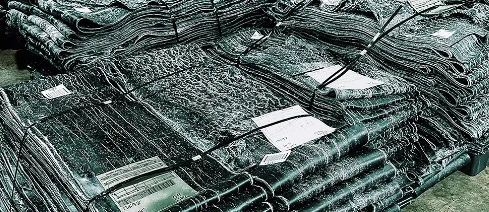
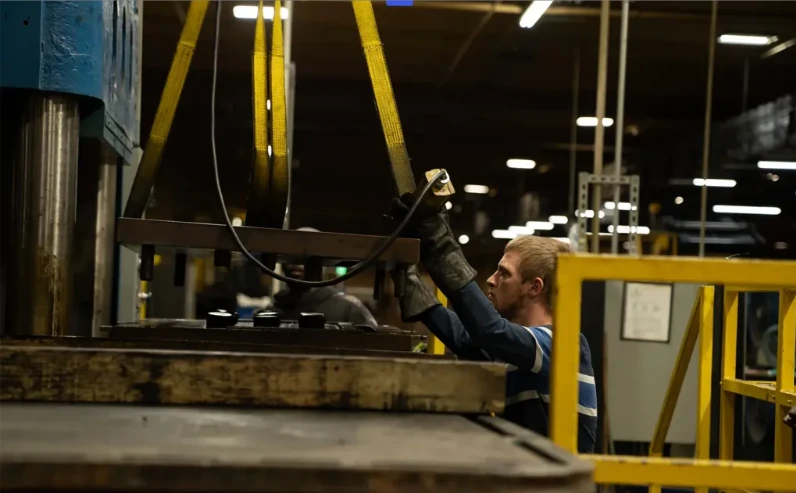
Innovative recycling systems can make a significant difference. For example, small businesses involved in manufacturing or material processing might utilize Proprietary rubber recycling systems. These specialized systems enable the recycling of rubber waste into new products, reducing landfill waste and creating additional revenue streams.
Step 3: Set Up Proper Recycling Stations
Make proper station regions for the recyclables of different materials: plastic, paper, metal, and organic waste. Employee training is much needed to sort things out correctly, so that we can avoid contamination. This will not only make recycling convenient but also force and urge everyone to take it as part of their routine.
Step 4: Partner with Recycling and Waste Management Experts
Consider partnering with local recycling companies or pollution control businesses that serve small enterprises. Some companies provide customized waste segregation services, including collection, processing, and waste auditing. Interested businesses that are keen on rubber and the like will need to look for suppliers that use proprietary rubber recycling processes as an assurance toward environmental disposal and reuse.
Step 5: Educate and Engage Your Team
Employee ownership is critical to fulfillment in this matter. It is necessary to hold awareness training for employees to get to know better the Zero Waste objectives, appropriate recycling practices, and the essence of sustainability. Such a waste-conscious culture has the potential to help create such practices into the routine.
Step 6: Track Progress and Adjust
Keeping an eye on your waste reduction efforts regularly is well-advised. Use data to identify areas of improvement, and do not forget to celebrate a milestone. Remember, continuous improvement will sustain zero-waste initiatives and make them even more convenient for achieving your business goals.
Benefits of Zero Waste Recycling Solutions for Small Businesses
Adopting Zero-waste manufacturing solutions has several advantages:
Lower expenses due to lower garbage disposal rates
Increasing the brand's attractiveness to environmentally sensitive customers
Taking into account potential incentives and compliance requirements
contribution to the preservation of the environment
Innovative opportunities, such as using proprietary rubber recycling methods for sustainable material management
Embracing zero-waste practices positions your small business as a responsible leader in sustainability and sets a foundation for long-term growth.

























Sign in to leave a comment.