
Power Struggles: Senators Seek Clarity on Data Center Energy Consumption
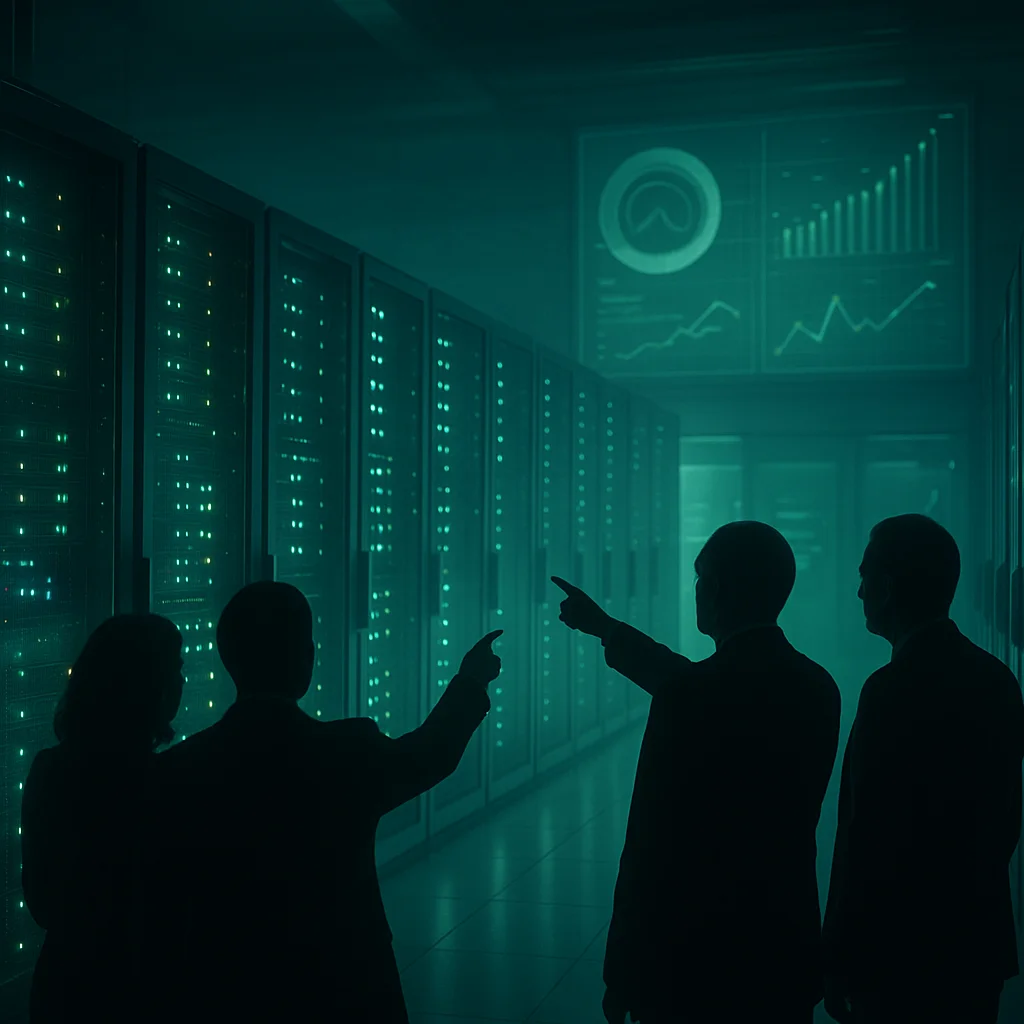
Picture this: a sprawling, windowless complex humming quietly under the northern lights of a Scandinavian winter night, housing thousands of servers that fuel our digital lives. Data centers, the invisible backbone of today’s internet and cloud computing, consume vast amounts of electricity — yet their exact footprint remains shrouded in mystery. In early 2026, a growing chorus of U.S. senators, led by Elizabeth Warren and Josh Hawley, demanded detailed disclosures on how much energy these digital fortresses consume. This push for transparency signals a watershed moment in the intersection of green tech and digital infrastructure, pressing for accountability as the climate crisis intensifies.
Data centers globally account for approximately 1.5% to 2% of total electricity usage, but precise figures vary widely by region and operator, according to industry estimates. The senators’ inquiry is rooted in concerns that unchecked growth of data centers could undermine sustainable energy goals and saddle ratepayers with rising costs. The question is no longer whether data centers impact energy grids, but how much and at what cost. This intensifying scrutiny compels an honest reckoning with the environmental trade-offs of our digital age.
As Greta Thunberg recently reminded us, “We must ensure our technological advances do not come at the expense of the planet.” This article explores the background, current developments, expert insights, and future outlooks surrounding this critical demand for data center energy transparency.
Tracing the Surge: How Data Centers Became Energy Giants
The story of data center energy use is one of rapid expansion and evolving technology. Over the past two decades, the explosion of cloud computing, streaming services, artificial intelligence, and the Internet of Things has driven an unprecedented demand for data processing and storage. According to the International Energy Agency (IEA), data center electricity demand doubled between 2010 and 2020 worldwide.
This growth has not been uniform. In the United States alone, data centers used an estimated 90 billion kilowatt-hours (kWh) annually by 2025, roughly 2% of total electricity consumption, as reported by the U.S. Department of Energy. Yet, the pace of new data center construction and expansion — especially in power-hungry hyperscale facilities operated by tech giants like Google, Amazon, and Microsoft — has raised alarms about sustainability.
Historically, transparency on energy consumption was limited. Many operators treated power usage as proprietary data, citing competitive concerns. Moreover, the complexity of power usage effectiveness (PUE) metrics and the diversity of cooling technologies added layers of opacity. However, the climate emergency has shifted priorities. Public and regulatory demands for accountability have increased, driven by the recognition that data centers, while essential, are not exempt from the imperative to reduce carbon footprints.
The senators' recent letter to the Energy Information Administration (EIA) reflects this shift. They seek comprehensive, standardized data on electricity consumption from data centers across the country to inform policy decisions. This level of scrutiny is unprecedented and could reshape how the sector operates. For a deeper dive on the policy context, see our analysis in Rethinking Senators’ Demand to Know How Much Energy Data Centers Use.
Numbers in Focus: The Energy Footprint of Data Centers Today
Quantifying data center energy consumption is a complex task due to varied facility sizes, technologies, and operational practices. However, emerging data and studies provide illuminating insights.
According to The Verge, the senators’ letter requests detailed energy usage data broken down by region, facility size, and operational category. This would allow for more precise analysis of the sector’s grid impact and carbon emissions.
Industry estimates suggest the following:
- Hyperscale data centers (those operated by major cloud providers) can consume upwards of 100 megawatts (MW) each, equivalent to the energy use of a small town.
- Mid-sized and enterprise data centers vary widely but often use between 1 MW to 20 MW, depending on equipment density and cooling requirements.
- Annual U.S. data center energy consumption is estimated at around 95 billion kWh, with projections indicating a potential 4% annual increase without efficiency improvements.
Cooling accounts for roughly 30% to 40% of total data center energy use, a significant factor that innovation seeks to mitigate. Scandinavian countries, for example, have pioneered using cold ambient air and water cooling to reduce this burden, aligning with regional sustainability goals. This lagom approach to technology and nature integration offers valuable lessons.
“Understanding data centers’ real energy consumption is critical to ensuring that digital progress harmonizes with climate targets,” said an energy policy expert at the Center for Sustainable Innovation.
Comparing data center energy consumption to other sectors helps contextualize its scale. While data centers use more electricity than the entire airline industry, according to Statista data, their carbon intensity varies greatly depending on the energy mix powering them. This underscores the importance of clean energy integration.
The 2026 Shift: New Policy and Industry Responses
The senators’ 2026 push for transparency aligns with broader regulatory and industry shifts. The U.S. government’s Energy Information Administration has announced plans to collect comprehensive data center energy use reports starting this year, as detailed by Wired. This effort reflects an acknowledgment that accurate data is foundational to crafting effective energy policies.
In parallel, the data center industry is responding with increased openness and innovation. Leading providers are investing in renewable energy procurement, on-site green power generation, and cutting-edge cooling technologies. For instance, Microsoft’s Project Natick involves underwater data centers cooled naturally by ocean water, while Google has committed to operating carbon-free data centers around the clock by 2030.
The regulatory landscape is also evolving. States such as Virginia and Oregon, which host significant data center hubs, are considering or implementing policies to cap peak electricity demand from new data centers or require renewable energy sourcing. These measures aim to protect ratepayers and integrate data centers into clean energy grids.
“The data center boom shouldn’t come at the expense of communities or climate goals,” emphasized a senator during a recent hearing covered by E&E News.
Alongside policy, transparency initiatives are gaining momentum. Several industry groups have launched voluntary reporting frameworks to disclose PUE and energy sources, though gaps remain. The senators’ demand for mandatory reporting could standardize these efforts, driving accountability and innovation.
Voices from the Field: Expert Perspectives and Industry Impacts
Experts and industry stakeholders broadly welcome increased scrutiny but caution about balancing transparency with operational complexity and competitive concerns.
Energy analysts note that accurate data enables smarter grid management and investment in renewable infrastructure. “Without clear visibility, utilities struggle to forecast demand surges linked to data center operations,” explained Dr. Helena Nordström, a renewable energy consultant based in Stockholm. “This can lead to inefficiencies and higher carbon emissions.”
Meanwhile, data center operators emphasize their commitment to sustainability but highlight the need for consistent metrics and phased regulatory approaches. “We support transparency, but the reporting requirements must reflect the diversity of data centers and avoid one-size-fits-all mandates,” said a spokesperson for a leading cloud provider.
The broader tech community is watching closely. Increased reporting could accelerate adoption of energy-saving innovations, such as AI-driven cooling optimization, modular design for energy efficiency, and integration with local renewable grids. Scandinavian companies, inspired by minimalist design and environmental stewardship, are pioneering such solutions that blend form, function, and eco-consciousness.
For readers interested in detailed industry impacts, our companion piece Senators Demand Transparency on Data Center Energy Use in 2026 offers a thorough exploration.
Looking Ahead: What the Future Holds for Data Center Sustainability
As we look forward, several key trends and challenges will shape data center energy transparency and sustainability.
- Mandated Reporting and Standardization: The EIA’s upcoming data collection will likely set a precedent for mandatory, standardized reporting, enabling policymakers and the public to gauge true energy impacts.
- Renewable Energy Integration: Increasingly, data centers will be paired with renewable energy sources, including solar, wind, and emerging technologies like green hydrogen, to reduce carbon footprints.
- Technological Innovation: Advances in cooling, server efficiency, and AI-driven energy management promise to lower consumption per unit of computing power.
- Grid Collaboration: Smarter coordination between data centers and energy grids will facilitate demand response and peak load management, benefiting both operators and communities.
- Global Policy Alignment: As digital infrastructure transcends borders, international frameworks may emerge to harmonize sustainability standards.
Embracing these trends will require a conscious shift, one that aligns with the principles of lagom—balance and moderation—and respects the delicate interplay between technology and nature. The senators’ demand for transparency is more than a political maneuver; it is a call to align our digital ambitions with our environmental responsibilities.
In closing, as the digital landscape grows ever more integral to our lives, ensuring that data centers operate sustainably is essential. Transparency in energy use is the first step toward this goal, enabling informed decisions that honor both innovation and the planet. We must heed these calls and foster a future where technology and ecology coexist harmoniously.
Key takeaways for sustainable living advocates and green tech stakeholders:
- Support policies mandating transparent energy reporting from data centers to inform responsible energy planning.
- Encourage investment in renewable energy and innovative cooling technologies to reduce environmental impact.
- Foster collaboration between data centers, utilities, and governments for integrated, sustainable grid management.
- Promote public awareness of the hidden energy costs behind digital services to inspire conscious consumption.
- Follow emerging regulatory frameworks and industry initiatives to stay informed and engaged in sustainability efforts.

































Sign in to leave a comment.