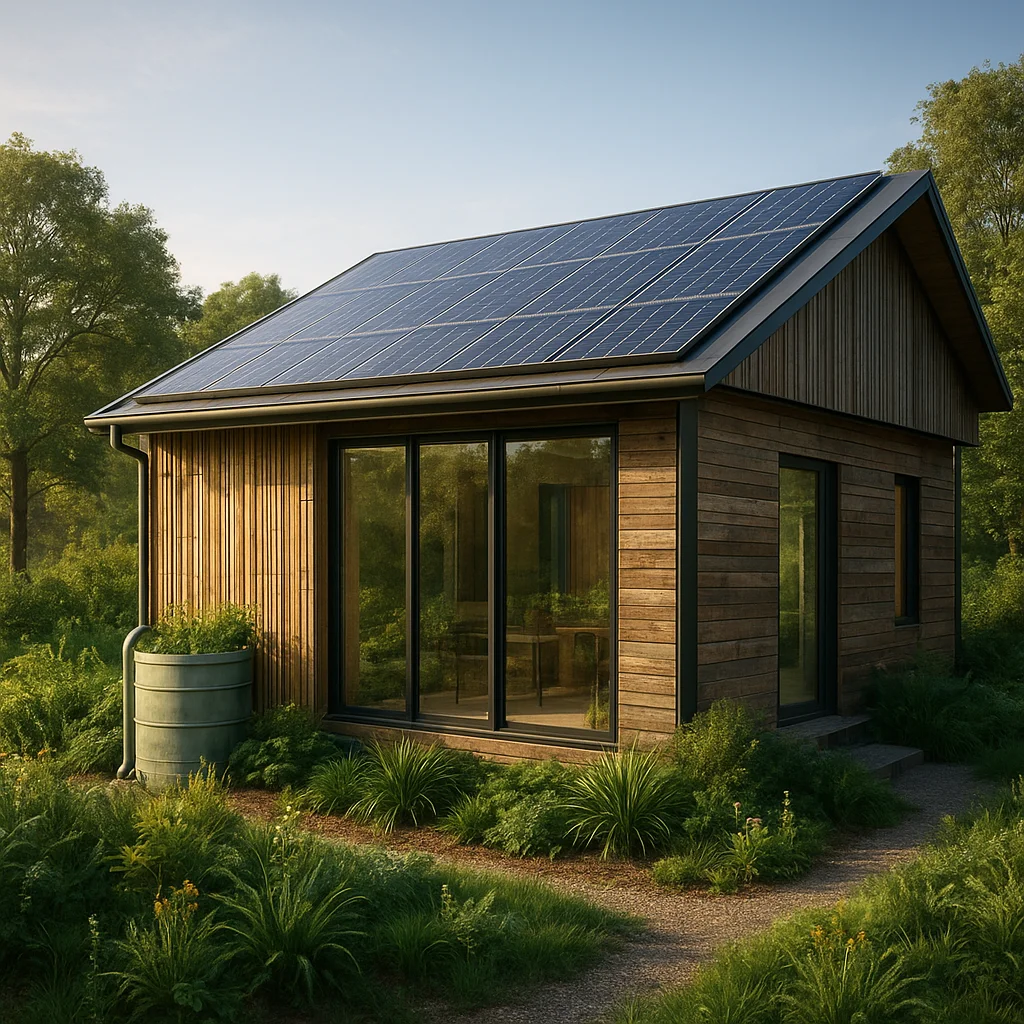

Opening the Door to Sustainable Living: A Glimpse into Green Homes
Imagine cycling through a Scandinavian neighborhood where houses breathe with natural materials, their walls exuding warmth without the need for excessive heating. Sunlight streams gently through triple-glazed windows, illuminating interiors crafted from responsibly sourced timber and hempcrete. This isn’t a vision of a distant future; it reflects the profound shift unfolding in architecture and construction worldwide. Green building materials and eco-friendly homes are no longer niche concepts but essential components of a sustainable lifestyle embraced by communities everywhere, from Copenhagen to Vancouver.
The global building sector accounts for nearly 40% of energy consumption and a substantial portion of carbon emissions, according to the International Energy Agency. The urgency to reduce this footprint has propelled green building materials into the spotlight. These materials range from recycled steel and bamboo to innovative bio-based composites that minimize environmental harm while enhancing durability and energy efficiency.
This article journeys through the evolution, innovations, and future outlook of green building materials and eco-friendly homes, synthesizing expert voices and recent data. We’ll explore how these innovations align with the hygge-inspired desire for comfort and well-being, marrying environmental responsibility with Scandinavian design ethos.
Tracing the Roots: How Green Building Materials Became a Global Movement
The trajectory of sustainable building materials has been shaped by decades of ecological awareness, policy shifts, and technological advances. Initially, the green building movement began in the 1970s, sparked by the oil crisis and growing environmental activism. Early pioneers experimented with natural insulation like straw bale and adobe, but these were often dismissed as impractical on an industrial scale.
Over the decades, the industry witnessed a paradigm shift. The 1990s introduced formal green certification systems such as LEED (Leadership in Energy and Environmental Design), which incentivized builders to adopt sustainable materials and practices. Scandinavia, with its long-standing respect for nature and minimalist aesthetics, became a fertile ground for this movement. Danish and Swedish architects championed the use of wood, cork, and natural stone, materials that not only reduced carbon footprints but also enhanced indoor air quality and occupant health.
Today, the rise of circular economy principles has further accelerated this trend. Construction waste, which historically ended in landfills, is now increasingly recycled into new products. The integration of green building materials is no longer a luxury but a necessity driven by regulatory frameworks and consumer demand. The Inside Green Building Materials and Eco-Friendly Homes article details how this evolution has been mirrored by advances in technology and material science.
Core Innovations and Data: What Defines Green Building Materials?
Green building materials are defined by their low environmental impact over the entire lifecycle—from extraction and production to use and disposal. This includes factors such as renewable resource use, energy efficiency, toxicity, and recyclability. Here’s a breakdown of key categories reshaping construction:
- Natural and Renewable Materials: Bamboo, cork, sheep’s wool, and straw are gaining traction for their renewability and excellent insulation properties. Bamboo, for instance, grows rapidly and sequesters carbon efficiently.
- Recycled and Upcycled Components: Materials like recycled steel, reclaimed wood, and crushed glass reduce the demand for virgin resources and divert waste from landfills.
- Low-Carbon Concrete Alternatives: Traditional Portland cement is a major CO2 emitter. Innovations such as geopolymer concrete and hempcrete offer alternatives with significantly lower emissions.
- Advanced Insulation Materials: Aerogel and bio-based foams provide superior thermal performance, reducing energy needs for heating and cooling.
Market data from a recent PR Newswire report projects the global green building materials market to reach USD 563.5 billion by 2032, reflecting a compound annual growth rate exceeding 12%. This surge is propelled by stricter environmental regulations, rising consumer awareness, and improvements in material performance and affordability.
One compelling comparison is the embodied carbon footprint of various materials. For example, producing one cubic meter of traditional concrete emits roughly 400 kg of CO2, whereas hempcrete emits less than 50 kg due to its bio-sequestration properties. Such differences have profound implications when scaled across entire buildings.
“The shift to bio-based and recycled materials is not just an environmental imperative but a design opportunity that enhances both the aesthetic and functional qualities of modern homes,” says Dr. Freja Nielsen, an architect specializing in sustainable construction in Copenhagen.
2026 Developments: Breakthroughs and Trends Shaping Eco-Friendly Homes
The year 2026 marks a pivotal moment as green building materials transition from experimental to mainstream. Recent innovations include:
- Smart Biocomposites: New materials combining natural fibers with biodegradable resins offer strength and flexibility previously achievable only with synthetic composites.
- Carbon-Negative Bricks: Startups in Europe and Asia have introduced bricks that absorb CO2 during curing, turning walls into active carbon sinks.
- Modular and Prefabricated Green Homes: Prefabrication using sustainable materials reduces construction waste and onsite emissions. These homes are increasingly popular in urban cycling-friendly cities like Copenhagen.
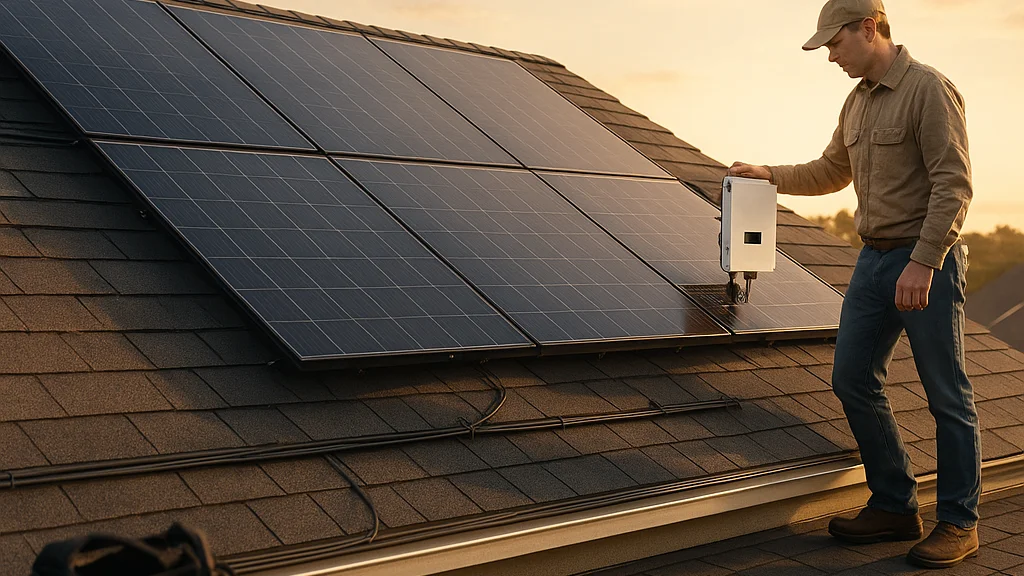
- Integration with Renewable Energy: Building materials embedded with photovoltaic cells or thermal collectors enable homes to generate or conserve energy passively.
These advancements reinforce the findings in the 2026 Update on Innovations in Green Building Materials and Eco-Friendly Homes, which highlights how industry leaders are blending tradition with cutting-edge technology. Notably, the integration of natural light and ventilation with high-performance materials creates indoor environments that are both energy-efficient and psychologically comforting—capturing the essence of hygge.
“We are witnessing a renaissance in building design where sustainability meets human-centric living, creating homes that nurture both the planet and its inhabitants,” explains Lars Mikkelsen, CEO of GreenBuild Solutions.
Voices from the Field: Expert Perspectives and Industry Impact
Across Scandinavia and beyond, the construction sector is undergoing a transformation led by architects, engineers, and policymakers. Experts emphasize that material choices are foundational to meeting climate goals. Renewable materials like cross-laminated timber (CLT) are replacing steel and concrete in mid-rise buildings, demonstrating structural reliability alongside lower emissions.
Engineering firms report that using green materials can reduce lifecycle costs by up to 30%, factoring in energy savings, maintenance, and potential health benefits. This economic argument resonates with developers, especially in markets where green certifications influence property values.
Meanwhile, community engagement is key. Eco-friendly homes often come with educational components that encourage sustainable living habits, from composting systems to rainwater harvesting. This holistic approach aligns with the ethos outlined in the Moneycontrol article on smart green homes, which underscores the synergy between materials, design, and lifestyle.
- Notable impacts include:
- Increased demand for skilled labor knowledgeable in green materials
- Growth of certification programs emphasizing embodied carbon reduction
- Enhanced collaboration between technology firms and traditional builders
- Policy incentives encouraging circular construction practices
Looking Ahead: Future Trends and What to Watch
As urban populations expand and climate imperatives intensify, the green building materials sector is poised for further breakthroughs. Some promising directions include:
- Material Transparency and Digital Twin Technology: Real-time monitoring of material performance and environmental impact will become standard, empowering consumers and builders alike.
- Biofabrication: Growing materials like mycelium-based bricks or algae-based panels could revolutionize sourcing, minimizing extraction and waste.
- Energy-Positive Buildings: Homes that produce more energy than they consume will rely heavily on integrated green materials that optimize thermal regulation and durability.
- Customization and Local Sourcing: Increasing emphasis on locally available materials reduces transport emissions and supports regional economies.
For readers eager to deepen their understanding, the Green Building Materials and Eco-Friendly Homes: Innovations in 2026 offers a detailed roadmap of emerging technologies and sustainable design philosophies.
Ultimately, green building materials and eco-friendly homes represent more than environmental compliance; they embody a cultural shift towards mindful, harmonious living. As we embrace these innovations, the opportunity to craft spaces that respect our planet and foster well-being becomes ever more tangible.
How will your next home reflect this evolution? The materials we choose today shape the environmental legacy we leave for tomorrow.





























Sign in to leave a comment.