
Introduction: The Renaissance of Sustainable Living
Amid the serene landscapes of Tuscany and the bustling streets of Milan, a transformation is quietly unfolding—a renaissance not of art or philosophy, but of sustainable living and green technology. The construction industry, historically a major contributor to global carbon emissions, is pivoting towards eco-conscious methods and materials that echo the ingenuity of Renaissance artisans, who prized harmony between form and function. Today, as the world confronts accelerating climate challenges, the adoption of green building materials and the rise of eco-friendly homes represent more than trends; they are essential shifts towards a resilient future.
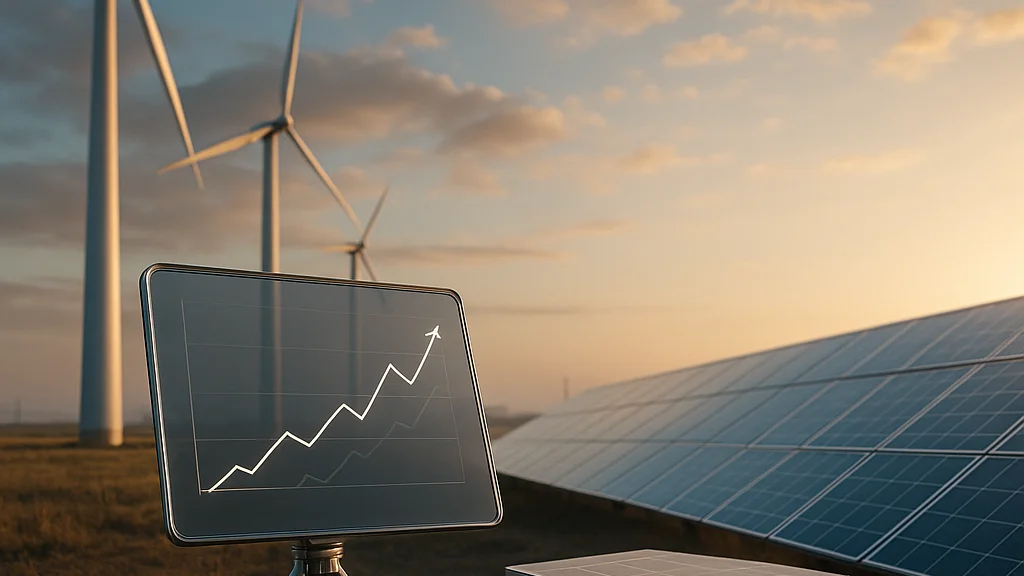
According to a recent report by MarkNtel Advisors, the global green building materials market is projected to reach an astounding USD 563.5 billion by 2032, underscoring a robust and accelerating demand for sustainable construction solutions. This surge is driven not only by environmental imperatives but also by evolving consumer preferences, regulatory frameworks, and technological advancements that enable greener, healthier living spaces.
“Green building materials are redefining how we conceive of homes—not just as shelters but as dynamic ecosystems that sustain both inhabitants and the planet,” notes an industry expert interviewed by Earth Times.
Italy’s rich tradition of artisanal craftsmanship and environmental stewardship offers a compelling backdrop to understand these contemporary shifts. The integration of natural light, thermal regulation, and renewable energy systems in homes recalls the principles of Renaissance architecture, adapted for modern sustainability demands.
Historical Context: From Traditional to Sustainable Construction
The journey to green building materials is rooted in centuries-old practices that prioritized locally sourced, natural materials. In Italy, centuries before industrialization, homes were built using stone, wood, and clay—materials with low embodied energy and excellent thermal properties. Venetian glass artisans, for example, perfected techniques that balanced beauty with functionality, an ethos increasingly relevant in today’s eco-friendly glass innovations.
However, the advent of industrialization introduced concrete, steel, and synthetic materials, which, while offering structural advantages, significantly increased environmental footprints. The mid-20th century saw rapid urbanization and a surge in energy-intensive construction, contributing to resource depletion and pollution. This legacy necessitated a reevaluation in the late 20th and early 21st centuries, as architects and builders began exploring materials and methods that reduce environmental harm.
The evolution from traditional craftsmanship to green building materials aligns with broader environmental movements. The 1990s witnessed the emergence of LEED certification and similar standards, incentivizing sustainable design. By 2026, these frameworks have matured and expanded globally, reflecting a collective urgency to address climate change impacts.
“Our ancestors’ respect for natural materials and passive design strategies is now being rediscovered and enhanced by modern science,” explains Laura Dinali, sustainable living advocate based in Milan.
The historical continuum from ancient practices to cutting-edge green building techniques highlights the cyclic nature of sustainable innovations, blending the wisdom of the past with today’s technological prowess.
Core Analysis: Materials at the Forefront of Green Building in 2026
The present landscape of green building materials is remarkably diverse, encompassing bio-based, recycled, and highly efficient synthetic options. Each category offers distinct advantages and challenges, influencing their adoption in eco-friendly homes.
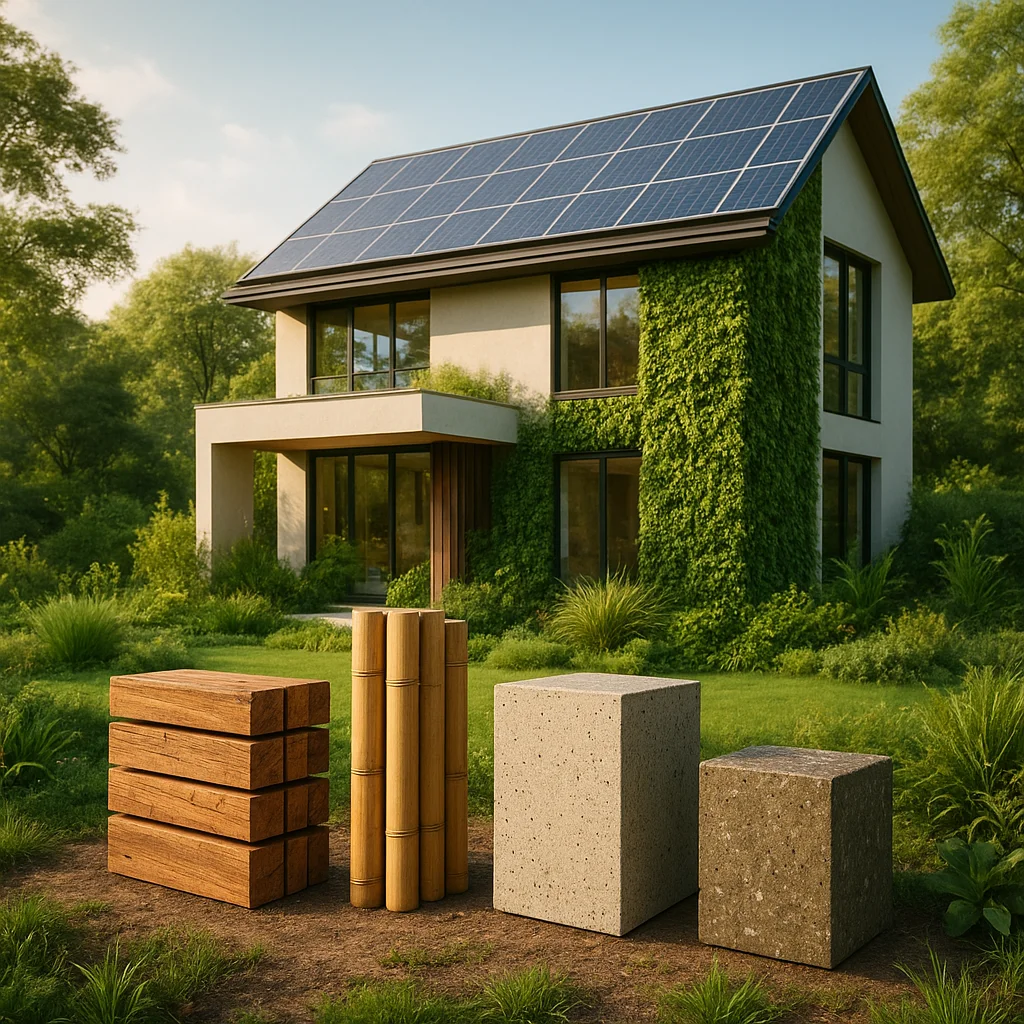
Bio-Based Materials: These include timber from sustainably managed forests, bamboo, cork, hempcrete, and mycelium-based composites. Italy’s forests supply FSC-certified wood that combines durability with carbon sequestration benefits. Hempcrete, a mixture of hemp fibers and lime, is gaining traction for its insulating and breathable properties, reducing energy demand for heating and cooling.
Recycled and Repurposed Materials: Incorporating industrial by-products like fly ash in concrete or recycled steel reduces reliance on virgin resources. Innovations in recycled glass and plastic composites enable the production of insulation panels and bricks with reduced embodied energy. The glass industry, rooted in Venetian heritage, is innovating transparent insulation panels that mimic the aesthetic of traditional glass while enhancing energy efficiency.
Advanced Synthetic Materials: Though often scrutinized, certain engineered materials like aerogels and phase-change materials dramatically improve thermal regulation. These are increasingly integrated into building envelopes to stabilize indoor temperatures, thereby lowering energy consumption.
In 2026, data from PR Newswire highlights that green concrete formulations, which reduce CO2 emissions by up to 70% compared to traditional cement, are becoming standard in new developments. Similarly, prefabricated house systems—endorsed by the Yahoo Finance report on the prefabricated house market—are leveraging modular green materials to streamline construction, minimize waste, and accelerate build times.
- Bio-based materials reduce embodied carbon and improve indoor air quality.
- Recycled materials lower landfill waste and raw material extraction.
- Advanced synthetics enhance thermal comfort and energy efficiency.
Comparative studies indicate that combining these materials in hybrid systems offers optimal performance. For example, timber framing with recycled insulation and green concrete foundations is increasingly common in high-performance homes.
Current Developments in 2026: Innovations and Market Dynamics
The year 2026 marks a pivotal moment in sustainable construction, with several breakthrough developments shaping the green building materials market and eco-friendly home design. Governments across the European Union have tightened regulations on carbon emissions from construction, incentivizing the use of certified green materials through subsidies and tax credits.
Technological advances have also catalyzed progress. Smart sensors embedded in construction materials now monitor structural health and environmental conditions in real time, enabling predictive maintenance and optimizing energy use. The integration of photovoltaic glass—solar panels embedded within window panes—has moved from experimental to commercially viable, allowing homes to generate electricity without compromising natural light.
The prefabricated housing sector is expanding rapidly, driven by demand for affordable, sustainable housing that can be assembled quickly with minimal site disturbance. According to Yahoo Finance, the global prefabricated house market is projected to reach nearly $190 billion by 2029, propelled by eco-friendly and energy-efficient trends.
Furthermore, circular economy principles are increasingly embedded within the supply chains of green building materials. Companies are designing products for disassembly and reuse, reducing waste and conserving resources. This shift aligns with the broader cultural embrace of sustainability, especially among younger generations, as explored in the Yahoo article on eco-friendly homes favored by Gen Z and Millennials.
- EU regulations mandate lower carbon emissions in construction.
- Smart materials enable adaptive building performance.
- Photovoltaic glass enhances energy generation without aesthetic compromise.
- Prefabricated green homes offer rapid, sustainable housing solutions.
- Circular economy practices reduce waste and extend material lifecycles.
“The convergence of policy, technology, and consumer values in 2026 is accelerating the adoption of green building materials at an unprecedented rate,” notes a market analyst in PR Newswire.
These developments underscore a systemic transformation in how homes are designed, built, and operated, with sustainability embedded at every stage.
Expert Perspectives and Industry Impact
Industry leaders, architects, and sustainability experts emphasize that the shift toward eco-friendly homes is not merely a response to environmental concerns but also a driver of innovation and economic opportunity. Laura Dinali’s recent interviews with Italian architects reveal a growing preference for materials that balance aesthetic qualities with environmental performance, reflecting Italy’s cultural heritage of design excellence.
Experts highlight that green building materials contribute to improved occupant health by reducing exposure to toxic chemicals commonly found in conventional construction products. This is crucial in urban areas where indoor air quality is a significant concern.
Moreover, the economic benefits are becoming clearer. Lifecycle cost analyses demonstrate that although green materials may involve higher upfront costs, they yield substantial savings through reduced energy bills, lower maintenance, and enhanced property values. The integration of renewable energy systems and efficient insulation materials transforms homes into near-zero energy buildings, a concept gaining traction worldwide.
The industry impact extends to job creation in sustainable forestry, recycling, manufacturing of advanced composites, and green construction techniques. This ecosystem supports a green economy transition, contributing to national climate goals and social resilience.
“Green building materials represent a triple win: environmental stewardship, occupant well-being, and economic vitality,” affirms a sustainability consultant quoted in Earth Times.
The WriteUpCafe article How Eco Friendly Home Renovations Transform Homes Into High-Performance Living Spaces further explores how renovation projects are integrating these materials to upgrade existing buildings sustainably.
Future Outlook: What to Watch in Green Building Materials and Eco-Friendly Homes
Looking ahead, several trends and innovations warrant close attention. First, the development of bioengineered materials, such as self-healing concretes and living walls composed of microalgae, promises to enhance building durability and environmental integration. These materials not only reduce maintenance but also actively capture carbon and pollutants.
Second, the expansion of digital tools like Building Information Modeling (BIM) coupled with AI will optimize material selection and building performance, enabling bespoke sustainable solutions tailored to local climate and cultural contexts.
Third, policy frameworks will likely evolve to mandate circular practices more stringently, requiring buildings to be designed with end-of-life material recovery in mind. This will stimulate innovation in modular design and reversible assemblies.
Consumers’ rising environmental awareness will continue to influence market dynamics, with demand for transparency in material sourcing and embodied carbon disclosures becoming standard. The success stories of eco-friendly homes in Italy and beyond will inspire wider adoption, supported by educational initiatives and community engagement.
- Bioengineered materials enhancing durability and carbon capture.
- AI-driven design tools optimizing sustainability outcomes.
- Stricter circular economy regulations impacting construction.
- Consumer demand driving transparency and ethical sourcing.
- Educational programs fostering sustainable building practices.
In parallel, exploring the synergy between green building materials and other sustainable lifestyle practices will be crucial. For instance, integrating low-impact cleaning solutions as discussed in the WriteUpCafe piece Green Carpet Cleaning: A Healthier and Eco-Friendly Choice for Modern Homes complements the sustainable ethos established by the building materials themselves.
Ultimately, the path forward involves harmonizing tradition and innovation, much like the artistic achievements of the Italian Renaissance—creating homes that are not only environmentally responsible but also culturally resonant and deeply human.



























Sign in to leave a comment.