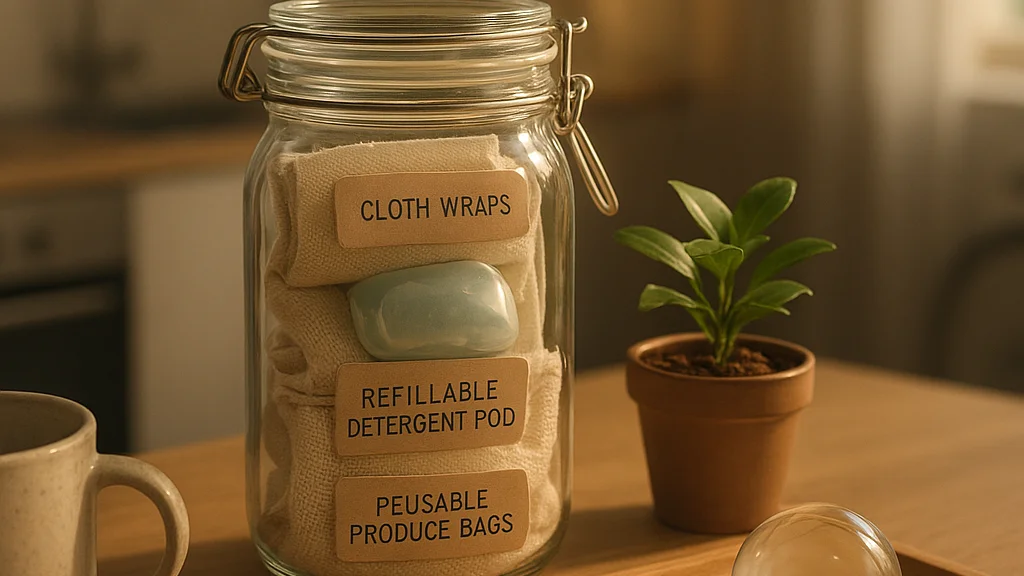

On a January morning in Calgary, the kind where your breath hangs in the air and the kettle feels like emotional support, climate action can sound abstract. Then the numbers land. The United Nations has long warned that global greenhouse gas emissions must fall sharply this decade to keep warming closer to safer limits, and daily choices still matter because household consumption shapes demand for energy, food, transport, housing, and materials. That does not mean personal action should replace policy or industrial reform. It means the two are braided together. The practical question is not whether one reusable bag will save the planet. It is which changes cut the most emissions, which habits stick, and how households can spend their time and money where the carbon math is strongest.
That is where expert guidance becomes useful. A lot of advice in sustainability spaces is sincere but poorly ranked. People are told to obsess over straws while ignoring heating systems, flight frequency, food waste, or the carbon intensity of electricity. According to Reuters reporting on climate and energy markets, and repeated findings from academic and policy research, the biggest gains usually come from a short list: cleaner transport, more efficient homes, lower-emissions diets, reduced consumption, and smarter use of power. If you have read Carbon Footprint Reduction Strategies That Actually Work, you already know the value of focusing on durable habits rather than symbolic gestures. This piece goes further, sorting the highest-impact strategies, explaining why they work, and bringing in recent 2026 developments that are changing what is realistic for households and communities.
Carbon reduction works best when it is treated less like a purity test and more like a good household system: clear priorities, repeatable habits, and a little grace for being human.
There is comfort in that framing. You do not need perfection. You need leverage.
Start with the biggest emitters, not the easiest gestures
Most household carbon footprints are driven by a handful of categories. In higher-income countries, transport, home energy, food, and purchased goods usually dominate. The exact split varies by region because electricity grids, housing stock, weather, and travel patterns differ, but the principle is stable: major systems beat minor swaps. A cold-climate homeowner driving a gasoline SUV and heating a drafty house with fossil gas will generally see larger carbon cuts from changing those systems than from replacing paper towels with cloths. The cloths are fine. They are simply not first-tier.
An MSN summary of a climate expert's key behaviors reflects a wider consensus in climate communication: fly less, drive less, eat lower on the food chain, improve home efficiency, and use cleaner electricity where possible. Those recommendations align with years of work from the Intergovernmental Panel on Climate Change and researchers studying consumption-based emissions. The challenge is not a lack of ideas. It is sequencing.
A sensible order of operations looks like this:
- Measure the obvious: annual driving, flights, heating fuel, electricity use, and meat-heavy meals.
- Fix waste first: insulation gaps, phantom power, food waste, and unnecessary car trips.
- Upgrade major systems: heating, water heating, vehicles, and appliances at replacement time.
- Shift demand: use cleaner power, travel by transit or rail when practical, and buy fewer new goods.
- Support structural change: choose providers, employers, buildings, and local policies that lock in lower emissions.
This ranking matters because carbon reduction is often constrained by budget, landlord rules, family needs, or local infrastructure. Experts usually recommend “replace at end of life” for expensive equipment unless a unit is especially inefficient or broken. Swapping a functioning gas furnace tomorrow may be less realistic than air sealing this month and planning for a heat pump when the furnace fails. That is not procrastination. It is strategy.
If you want a companion read focused on staying power rather than novelty, Carbon Footprint Reduction Strategies That Endure makes a similar point from a habits perspective: systems outlast motivation. And systems are where the deepest cuts live.
Home energy is often the quiet giant in your footprint
Housing emissions can feel invisible because they arrive in utility bills and background hums rather than dramatic moments. Yet in many regions, space heating, water heating, cooling, and electricity use represent a large share of household emissions. In Canada, the United States, and parts of Europe, heating demand alone can be substantial. The cleaner your grid, the more the balance shifts toward direct combustion in homes and transport; the dirtier your grid, the more every kilowatt-hour matters. Either way, efficiency is the first expert move because it lowers both emissions and future upgrade costs.
Air sealing and insulation are usually underrated because they are not glamorous. They are also among the few interventions that improve comfort immediately. Sealing attic bypasses, weather-stripping doors, reducing duct leakage, insulating rim joists, and upgrading windows selectively can cut heating and cooling demand before you touch the equipment itself. After that comes electrification. Heat pumps have moved from niche to mainstream in many cold climates, with performance improving steadily and policy support expanding. According to Reuters coverage in recent years, governments and utilities have increased incentives for heat pumps and grid modernization as part of broader decarbonization strategies.
For households deciding where to begin, the strongest sequence is often:
- Audit: review utility bills, draft points, thermostat settings, and appliance age.
- Envelope upgrades: insulation, sealing, and smart controls.
- Efficient equipment: heat pump space heating and water heating when replacement is due.
- Load management: run major appliances in off-peak periods where time-of-use rates apply.
- Clean electricity: rooftop solar if viable, or a lower-carbon electricity plan where available.
One common mistake is focusing only on visible technology. Solar panels can be helpful, but a leaky house with oversized heating demand may get more carbon benefit from insulation and a heat pump first. Another mistake is assuming renters have no options. Renters can still use induction cooktops, efficient showerheads, smart power strips, heavy curtains, portable heat pump units where allowed, and lower-temperature laundry settings. They can also choose buildings near transit or with district energy systems when moving, which is a carbon decision hiding inside a housing decision.
The cleanest kilowatt-hour is often the one you never needed, and the cheapest retrofit is usually the one that shrinks the next retrofit.
That line may sound a little nerdy, but it is true. Lower demand makes every later upgrade cheaper and more effective. It is the sustainability version of chopping onions before the soup pot gets crowded.
Transport choices still deliver some of the fastest reductions
Ask climate researchers to rank lifestyle choices by impact, and transport keeps showing up near the top. A single long-haul flight can add a meaningful chunk to a person’s annual footprint. Daily driving in a large internal-combustion vehicle can do the same, especially where commutes are long and occupancy is low. This is why expert advice tends to focus less on car aesthetics and more on vehicle miles traveled, fuel type, and mode switching. The carbon arithmetic is blunt.
The first reduction strategy is to drive less. That can mean remote work a few days a week, trip chaining, car-sharing, cycling for short errands, school buses, or choosing housing closer to work and services when life allows. The second is to switch the miles you do travel into lower-emission modes. Public transit is not universally convenient, but where it exists, regular use can cut emissions substantially per passenger-kilometer. Rail often beats short-haul flights on emissions, particularly on electrified lines. For necessary driving, smaller and more efficient vehicles matter. Electric vehicles can deliver large lifecycle emission reductions, especially on cleaner grids, though manufacturing emissions and battery supply chains still need scrutiny.
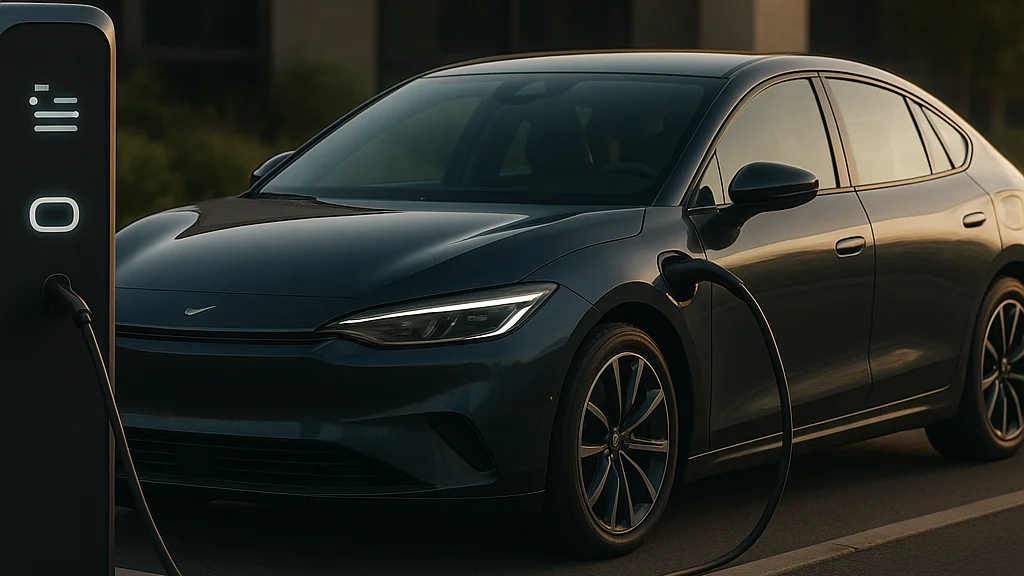
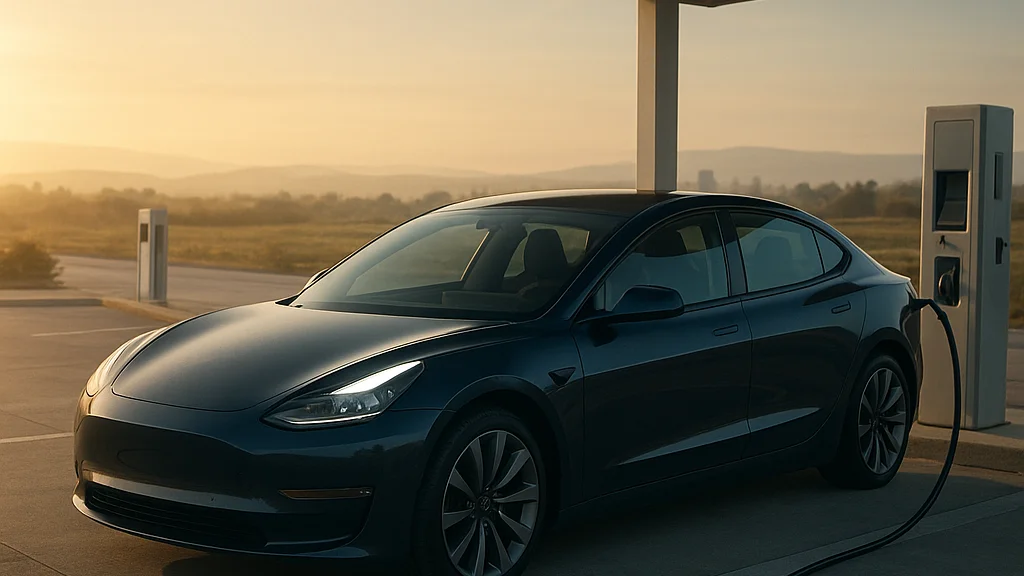
Recent developments in 2026 make this category more dynamic than it was a few years ago. Charging networks have expanded in many markets, battery prices have continued their long-term downward trend despite periodic mineral volatility, and more used EV inventory is reaching the market. Reuters has reported extensively on automaker competition, battery investment, and the pressure to scale charging reliability. That last point matters because consumer trust often depends less on brochure range than on whether a charger actually works on a snowy evening.
Expert-level transport advice usually follows a hierarchy:
- Avoid: eliminate unnecessary trips and flights where possible.
- Shift: move trips to walking, cycling, transit, or rail.
- Improve: if driving is necessary, choose the smallest practical efficient vehicle, ideally electric where infrastructure supports it.
- Maintain: tire pressure, smooth driving, and reduced idling lower fuel use immediately.
There is also a social dimension. If your workplace normalizes video meetings instead of routine flights, or your city adds safe bike lanes, personal carbon reduction becomes easier and less fragile. Individual behavior and public infrastructure are not rivals. They are teammates, even if they do not always feel like it during rush hour.
Food emissions are less about guilt and more about patterns
Food is emotional, cultural, and deeply personal, so carbon conversations here need care. The strongest evidence does not say everyone must eat the same way. It says some foods, especially ruminant meat such as beef and lamb, typically carry much higher emissions than legumes, grains, vegetables, and many other protein sources. Dairy can also be significant, though impacts vary by product and production system. Then there is food waste, a chronic emissions problem because wasted food carries the carbon cost of farming, transport, refrigeration, and disposal without ever nourishing anyone.
Agriculture is also changing. The Nature overview on carbon footprint reduction in crop production points to growing research around lower-emission farming methods, better input management, and innovation in crop systems. That matters because consumers do not control farm practices directly, but they can support supply chains that reward lower-carbon production and seasonal efficiency. The largest household lever, though, remains dietary pattern. Moving from frequent red meat consumption to more plant-forward meals usually delivers bigger cuts than obsessing over whether a tomato traveled farther than expected.
High-impact food strategies include:
- Reduce beef and lamb frequency: even shifting a few meals a week can matter.
- Build around legumes and grains: lentils, beans, chickpeas, oats, and tofu often offer strong nutrition with lower emissions.
- Cut waste: meal planning, proper storage, and leftovers reduce both emissions and grocery bills.
- Choose seasonal and minimally processed foods when practical: not as a purity rule, but as a general efficiency guide.
- Compost where systems exist: especially important if local organics programs divert waste from landfill methane.
There is a gentle but important distinction here. “Local” is not automatically lower carbon than imported food if the production method is energy intensive. Heated greenhouses, air freight, and refrigeration can change the equation. The better expert question is: what is the lifecycle impact? Source names matter too. Nature, the Food and Agriculture Organization, and many university sustainability programs have repeatedly shown that dietary shifts and food waste reduction are among the most practical household interventions.
If you want a narrower home-based angle, How Eco-Friendly Cleaning Solutions Dramatically Reduce Your Carbon Footprint shows how lower-toxicity, lower-waste routines fit into the same principle: use less, waste less, and choose systems that reduce repeated resource demand. The kitchen and laundry room are not separate from climate action. They are where it gets ordinary enough to last.
Consumption, waste, and the hidden carbon in stuff
One of the hardest truths in footprint reduction is that emissions are embedded in products long before they reach your door. Electronics, furniture, clothing, building materials, and household goods all carry extraction, manufacturing, packaging, and shipping emissions. This is why “buy green” has limits. The greenest purchase is often the one delayed, repaired, borrowed, or avoided. Experts in circular economy work have been making this point for years, and it is gaining policy traction as governments look at right-to-repair rules, e-waste management, and product durability standards.
Fast replacement cycles are particularly carbon intensive. Phones are upgraded before failure, furniture is treated as temporary, and low-cost goods are designed to be difficult to repair. The result is a footprint that hides in convenience. According to Reuters reporting on supply chains and manufacturing, decarbonizing industry remains a major challenge because heavy industry, shipping, and materials production still rely significantly on fossil energy and carbon-intensive processes. Households cannot solve that alone, but they can reduce demand for churn.
The most effective consumption strategies are not glamorous, which may be why they are often skipped in social media sustainability content:
- Buy fewer new items overall.
- Choose durable goods with repair support and spare parts.
- Use secondhand markets for furniture, tools, and children’s items.
- Keep electronics longer and repair screens, batteries, and small components.
- Rent or borrow infrequently used equipment.
This category also includes digital and service choices. Streaming, cloud storage, and AI services use electricity through data centers, though their household footprint is usually smaller than transport or heating. Still, efficiency at scale matters. More importantly, banking, pensions, and procurement choices can influence where capital flows. Some households now examine whether their retirement funds support high-carbon sectors, a sophisticated step that shifts the conversation from personal virtue to financial leverage.
There is tenderness in admitting that shopping can be emotional. Many of us buy for comfort, identity, or the little lift that gets us through a rough week. Carbon reduction does not require a joyless life. It asks for a slower one, maybe. Fewer impulse purchases. More mending. More library holds. More soup simmering while you decide you do not actually need the thing in your cart.
What changed recently: 2026 trends shaping smarter carbon cuts
By 2026, carbon reduction advice is more practical than it was even three or four years ago because the tools are better and the risks are clearer. Heat pumps are more familiar, EV choices are broader, building performance standards are tightening in some jurisdictions, and corporate climate claims are facing tougher scrutiny. At the same time, electricity demand from data centers, industrial reshoring, and extreme weather resilience is complicating grid planning. The result is not a simple story of progress. It is a story of faster change with more trade-offs visible in public.
One notable shift is the move from broad awareness campaigns to behavior-plus-systems models. Programs such as the University at Buffalo's Carbon Reduction Challenge course reflect a wider trend in climate education: people need structured pathways, not just warnings. Tracking habits, setting measurable goals, and seeing community benchmarks improve follow-through. That mirrors what behavioral scientists have found in other domains. Specificity beats aspiration.
Another 2026 development is the growing attention to methane and near-term warming. Households feel this through food waste policy, gas appliance debates, landfill diversion, and the push to electrify buildings. Extreme heat, wildfire smoke, and flood risk are also changing how people think about home upgrades. Resilience and decarbonization increasingly overlap. Better insulation helps during outages. Efficient electric systems paired with storage can improve emergency preparedness. Shade trees cool neighborhoods and reduce energy demand. Climate action is no longer only about annual emissions totals; it is also about living through instability with less harm.
Three current realities deserve close attention:
- Greenwashing scrutiny is rising: consumers should look for verifiable claims, not vague “eco” branding.
- Electrification is accelerating unevenly: incentives and infrastructure vary sharply by region, so local policy literacy matters.
- Adaptation is joining mitigation: the best upgrades increasingly do both, cutting emissions while improving comfort and safety.
If you want a broader innovation snapshot, Effective Carbon Footprint Reduction Strategies in 2026: Insights and Innovations pairs well with this article. The key takeaway is simple: the menu of options is improving, but discernment matters more because marketing is improving too.
How experts build a reduction plan that survives real life
The most useful carbon plan is one you can keep during busy weeks, tight budgets, and family negotiations about thermostats. Experts often recommend a phased approach instead of a dramatic reset. Start with a personal or household baseline. That can be rough. You do not need forensic precision. Review a year of utility bills, estimate annual driving and flights, and look honestly at food waste and shopping habits. Then pick three priority areas for the next twelve months: one operational habit, one efficiency fix, and one major decision rule.
A practical example might look like this. Operational habit: meal plan twice a week to cut waste and lower red meat frequency. Efficiency fix: seal drafts and install a smart thermostat. Major decision rule: the next vehicle or heating system will be electric if infrastructure and budget allow. That is not flashy. It is exactly why it works. It turns climate concern into procurement logic and calendar reminders, which is where lasting change usually lives.
Experts also stress social reinforcement. Tell the people you live with what you are trying to do and why. Join a local challenge, compare utility data with neighbors, or use educational resources like the Buffalo course model to stay accountable. Pair habits with existing routines: batch errands on grocery day, review energy use when bills arrive, and keep a running repair list on the fridge. If you already journal, this can become one page a month rather than a whole new personality.
The households that cut emissions most consistently are rarely the most perfect. They are the ones that make lower-carbon choices the default when life gets noisy.
That is the heart of expert advice. Defaults matter. A transit pass you already have gets used. A freezer stocked with low-emission meals reduces takeout drift. A contractor chosen before the furnace fails makes electrification more likely during an emergency replacement.
And there is one final point that deserves honesty. Individual carbon reduction has limits without public policy, corporate accountability, and infrastructure investment. Still, household choices are not meaningless. They lower real emissions, shape markets, influence peers, and build political appetite for bigger systems change. If your efforts feel small, remember how most good things begin: one repeatable act, one better question, one calmer decision. Be ambitious, yes, but be kind to yourself too. A steadier home, a lighter footprint, and a little more hope are all worth making room for.
































Sign in to leave a comment.