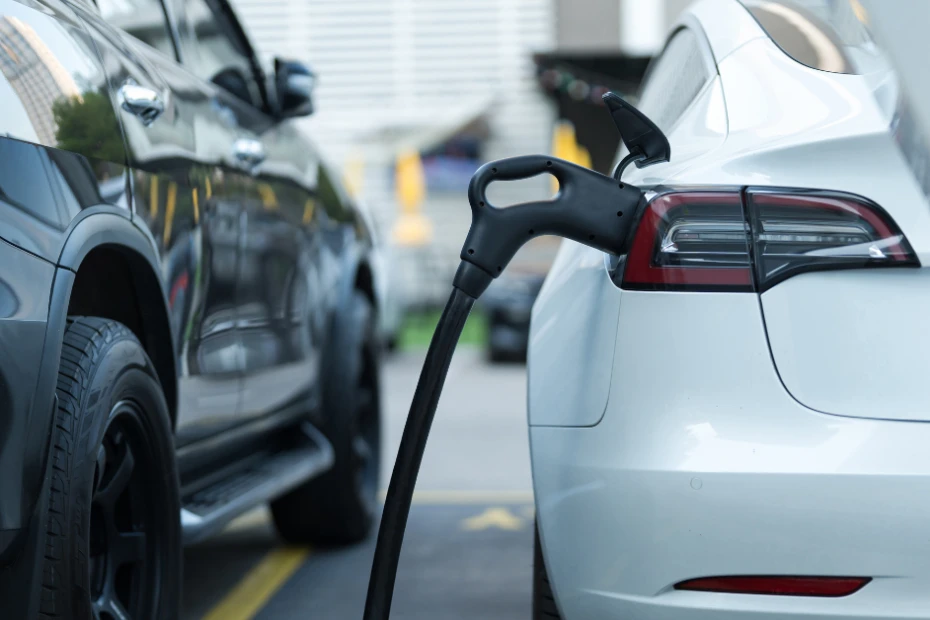

More South Africans are making the switch to electric cars. The reasons vary from person to person. Some want to cut their fuel bills. Others like the quiet, smooth ride. Many are thinking about air quality and the environment. Whatever the motivation, buying an electric vehicle is just the first step. The next question is how to keep it charged and ready to go.
Public charging stations are appearing at shopping centres and office parks around the country. But relying on public chargers alone can be inconvenient. Queues form during busy times. Some chargers are out of order. Trips need to be planned around where charging is available. This is why most electric car owners prefer to charge at home, where the vehicle can top up overnight while the household sleeps.
Why Home Charging Makes Sense
Think about how petrol cars get refuelled. Drivers have to make a special trip to the filling station, wait in line, and stand outside while the tank fills. It takes time out of the day. With an electric car and a home charger, things work differently. The car gets plugged in when it arrives home. By morning, the battery is full. No detours, no waiting, no standing in the rain.
EV chargers installed at home give owners complete control over when and how they charge. Some electricity tariffs are lower at night, so charging during off-peak hours saves money. A full charge from a home unit typically costs a fraction of what a tank of petrol would. Over months and years, these savings add up to significant amounts.
The convenience factor is hard to overstate. Waking up each morning with a fully charged car removes the anxiety about range. There is no need to check battery levels and wonder if a detour to a public charger will be necessary. The car is always ready for whatever the day brings, whether that is a short trip to the shops or a longer drive across town.
Understanding the Different Types
Not all electric car chargers are the same. They come in different power levels, which affects how quickly they can fill a battery. Understanding these differences helps buyers choose the right equipment for their needs.
Level 1 chargers use a standard household plug. They are the slowest option, adding only a few kilometres of range per hour of charging. For someone who drives short distances and has all night to charge, this might be enough. But most electric car owners find Level 1 charging too slow for practical use.
Level 2 chargers are the most common choice for home installation. They require a dedicated circuit, similar to what a geyser or stove uses. These units charge much faster than Level 1, typically adding 30 to 50 kilometres of range per hour. An empty battery can reach full charge overnight with time to spare.
DC fast chargers are the quickest option but are mainly found at commercial locations. They can add hundreds of kilometres of range in under an hour. The equipment is expensive and requires heavy-duty electrical infrastructure, making them impractical for most homes. Level 2 hits the sweet spot between speed, cost, and home installation requirements.
What to Think About Before Installing
Installing electric vehicle chargers at home involves some planning. The first step is checking the existing electrical system. Older homes may need upgrades to handle the additional load. A qualified electrician can assess the distribution board and wiring to determine what work is needed.
Location matters too. The charger should be positioned where the car will be parked, usually in a garage or carport. The cable needs to reach the charging port on the vehicle, which is in different places on different car models. Mounting the unit on a wall keeps it secure and out of the way.
Weather protection is important for outdoor installations. Units rated for outdoor use can handle rain and sun, but a covered location extends the life of the equipment. Some homeowners install a small shelter over the charging point if no existing cover is available.
Security is another consideration. The charger represents an investment and should be installed in a location that is not easily accessible to passersby. Locking mechanisms on some units prevent unauthorized use. A charger inside a locked garage is the most secure option.
The Installation Process
Professional installation is strongly advised. Working with high-voltage electrical systems is dangerous for anyone without proper training and equipment. A licensed electrician will handle the job safely and make sure everything meets local regulations and codes.
The process typically starts with a site visit. The electrician assesses the distribution board, checks the wiring route from the board to the charging location, and identifies any obstacles or challenges. They will provide a quote based on the specific requirements of the property.
Installation usually takes a few hours. The electrician runs a dedicated circuit from the distribution board to the charging point. They mount the unit on the wall and connect it to the circuit. Once everything is wired up, they test the system to make sure it works correctly and safely.
A certificate of compliance should be issued after installation. This document confirms that the work was done according to electrical safety standards. It is important to keep this certificate, as it may be needed for insurance purposes or when selling the property.
Running Costs and Savings
Electricity costs less than petrol per kilometre travelled. The exact savings depend on local electricity rates and how efficiently the car uses power. Most estimates suggest that running an electric car costs about a third of what a comparable petrol car would cost in fuel. For someone driving 15,000 kilometres a year, that translates to thousands of rands saved annually.
Time-of-use tariffs offer additional savings opportunities. Many municipalities charge less for electricity during off-peak hours, typically late at night and early in the morning. Programming the car or charger to run during these cheaper periods cuts costs further. Some smart chargers can be set to start and stop automatically based on tariff schedules.
Homeowners with solar panels can charge their cars using power generated on site. This reduces reliance on grid electricity and can bring the cost per kilometre down even further. Pairing solar generation with battery storage means charging can happen using stored solar power even after the sun goes down.
Looking After Your Charger
Home charging equipment is built to last, but some basic care extends its life. Keep the unit clean and free of dust and debris. Check the cable regularly for signs of wear or damage. Store the cable properly when not in use, avoiding kinks and tangles that could damage the internal wiring.
The connector that plugs into the car should be kept clean and dry. Dirt or moisture in the connector can interfere with charging or cause damage over time. Most connectors have covers that should be closed when not in use to keep contaminants out.
If the charger stops working or behaves strangely, have it checked by a professional rather than attempting repairs. Electrical equipment should only be serviced by qualified people. Attempting DIY repairs on high-voltage systems is dangerous and could void warranties.
Owning an electric car changes the daily routine of refuelling. Instead of trips to the petrol station, the car charges quietly at home. The investment in a home charging setup pays back through convenience and cost savings over time. As more South Africans go electric, home charging is becoming a normal part of household infrastructure, just like internet routers and satellite dishes became standard in earlier years.




































Sign in to leave a comment.