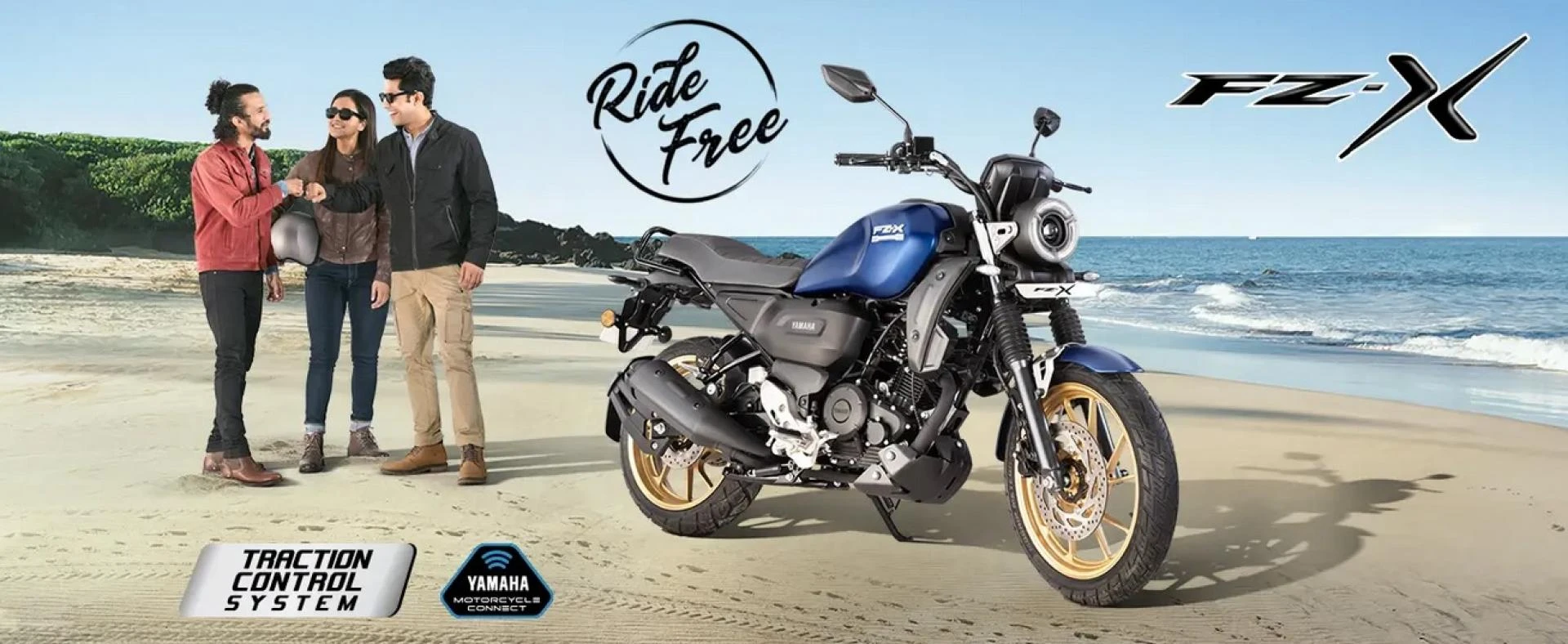

Long bike rides are an art that should be taught and practiced. For bikers who purchase bikes specifically for this use, it also becomes a part of their daily lives. These days, everyone is riding their bikes on tours. Before you even begin, research the frequency of gasoline stations along that specific stretch of road online or with frequent travellers. Even though these stations are spread out along most national highways, there are still areas where you'll need more options when you need to fuel your bike. If your trip passes through farther-flung regions, extra planning is necessary. Here are some fundamental suggestions to make sure your trip is both memorable and enjoyable:
Inspect Tire Pressure: During extended travel, tire pressure will be crucial. Make sure that it is kept up properly the entire way.
Always Keep An Eye On Your Luggage: This is crucial. Do not lug around too much. As little as you can, limit your luggage or other baggage. However, this does not imply that you should suffer without most of your necessities. The bag must be securely fastened to the grab rail (or hooks), which is another crucial thing to remember.
Throughout your voyage, it shouldn't continuously move here and there. You should always be attentive while driving, whether through a high road or a narrow lane in your local area. Because, due to any weird thinking, you might face an accident. Keeping every essential or emergency thing in a saddlebag may be worthwhile if you ride frequently. Now, certain types of bags are very easily accessible.
Pace At Which You Are Most Comfortable: Determine your preferred pace. Each rider will have a comfortable cruising pace (you should not want to disregard the other sex). Of course, this varies for different riders. Once you have located it, go at the same speed in comfort. This will improve your bike control as well.
Discover How To Take Your Bike's Wheels Off: On your journey, there is a very high likelihood that your bike may get punctured. This will get you nowhere and into an embarrassing position. A few kilometers would separate the location from the puncture shop.
Therefore, if you can remove the wheel on your own in such circumstances, you can ask other bystanders to get to the shop, repair the puncture, and then return and fix it.
Only once you encounter this will you realize its significance. So, pay attention to this. There are a ton of videos online that show you how to take the wheels off. Learn from them by observing them. Never doubt your ability as a technician to perform the task. Practice it; it will be beneficial to you. The use of tubeless tires is another suggestion here. They let you ride your bike for a set number of kilometers before they go entirely flat until your puncture is big.
Pick The Right Bike: Riding the appropriate bike is crucial. On a simple motorcycle, there are better options than riding a long distance at once. Choose a bike with a liquid cooling system that is more powerful and has a larger capacity if you want to ride more than 800-1000 kilometres. Although the standard 150-180cc bikes such as fz x mileage may undoubtedly handle it, a suitable bike would be preferable.
Make Sure All The Lights Are Working: Before you start your trip, ensure your headlight, taillight, and turn indicators are all in good working order. All three of these lights are crucial when you take a lengthy journey. Do not assume things without thought. Even one of these three components needing to be fixed may confuse other drivers and, more importantly, put your safety at risk.
Always Drive in The Daytime: Always make sure you are seen. Natural light will take care of it during the day, but you must exercise extra caution at night. Try to ride around with a jacket that includes well-lit and visible reflectors. Make sure the glasses on your motorcycle are adjusted correctly. Additionally, if you have saddle bags at the back, try adding some radium to the very ends of them so that a car or bike approaching from behind will see you and your entire breadth. Additionally, you could add some reflective tape to your helmet.
Basic Supplies: In the limited space designated for toolboxes on your bike, there will be a tool kit and a first aid kit. These two basic kits will be included with every cycle. Make sure that you have both kits. The tool kit will include all the necessary equipment you'll need in case of breakdown or puncture. The first aid kit is a case in point. Even if it only contains fundamental items, it will be helpful in the event of an accident on a highway. If you're unhappy with the supplies offered, you can also carry supplementary items like tools and a first aid kit.
Regular Stops:
It is advised to stop sometimes along the way. Take tea breaks to give yourself a chance to stretch. This is crucial since it will make you feel more at ease and improve your riding experience. You can set up stop spots on your schedule. Try to take a break for at least 10–15 minutes every two hours! Recall that this will benefit your bike as well. Additionally, keep in mind not to stop in a deserted area. Make an effort to stop along busy routes.
Safety Comes First
First, the most crucial point is the last one. Always remember that you are riding for your enjoyment. It is not advisable to race or cruise at very high speeds. Your energy would practically be sucked away by this, leaving you unable to continue your quest. Always keep your helmet on. It must also be worn by the pillion rider if one is present. Wear safety gear that has been certified and is of high quality, such as a riding jacket, boots, and gloves.
Conclusion
If you plan to ride on expansive, long routes, attempt to select a bike with a fairing. Although it's not required, doing so keeps the wind from directly cutting you and makes you feel less exhausted. Take note of these recommendations to ride your bike safely. Enjoy the lengthy voyage and hold onto each of these. Additionally, please share all of your experiences with us and our readers.






















Sign in to leave a comment.