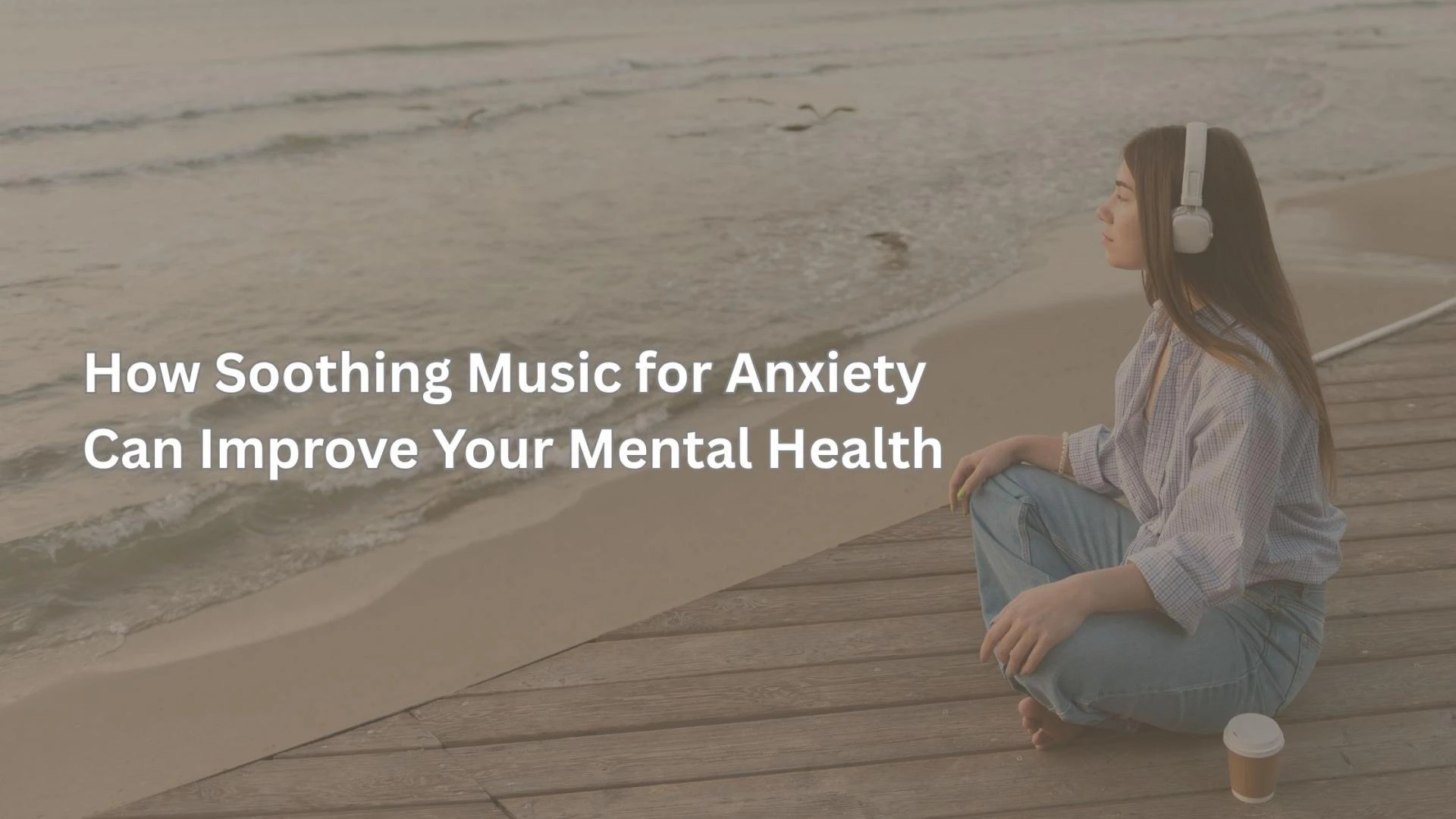

Anxiety has become an increasingly common part of modern life. Whether it’s work pressure, personal challenges, or the constant stream of information we’re exposed to, many people find themselves feeling overwhelmed more often than they’d like. While there are numerous ways to manage anxiety—therapy, exercise, mindfulness—one simple yet powerful tool often gets overlooked: music.
In particular, soothing music for anxiety has gained attention for its ability to calm the mind, regulate emotions, and support overall mental health. It’s accessible, non-invasive, and can be incorporated into daily life with ease. But how exactly does it work, and why is it so effective?
Let’s explore the science, benefits, and practical ways soothing music can help improve your mental well-being.
Understanding Anxiety and Its Impact
Before diving into the role of music, it’s important to understand what anxiety does to the body and mind.
Anxiety is not just a mental state—it’s a physiological response. When you feel anxious, your body activates the “fight-or-flight” response. This leads to:
- Increased heart rate
- Rapid breathing
- Muscle tension
- Heightened alertness
- Difficulty concentrating
While this response is useful in dangerous situations, chronic anxiety keeps the body in a prolonged state of stress. Over time, this can affect sleep, mood, relationships, and even physical health.
That’s where calming interventions like soothing music come into play.
The Science Behind Soothing Music for Anxiety
Music has a direct impact on the brain. When you listen to calming sounds, several neurological and physiological changes occur:
1. Regulation of the Nervous System
Soothing music activates the parasympathetic nervous system—the part responsible for relaxation. This helps slow down your heart rate and breathing, bringing your body out of stress mode.
2. Reduction of Stress Hormones
Listening to calming music has been shown to lower cortisol levels, the hormone associated with stress. Lower cortisol means reduced feelings of tension and anxiety.
3. Release of Feel-Good Chemicals
Music can trigger the release of dopamine and serotonin, neurotransmitters linked to pleasure and emotional stability. This creates a sense of comfort and well-being.
4. Brainwave Synchronization
Certain types of music can influence brainwave patterns, encouraging slower waves associated with relaxation and meditation. This can help quiet racing thoughts.
Key Benefits of Soothing Music for Anxiety
Incorporating soothing music into your routine can offer a range of mental health benefits. Here are some of the most impactful ones:
1. Immediate Calm During Stressful Moments
One of the biggest advantages of soothing music is how quickly it works. Within minutes, it can help reduce feelings of panic or overwhelm.
Whether you’re dealing with a stressful meeting, a difficult conversation, or a sudden wave of anxiety, playing calming music can ground you and restore balance.
2. Improved Sleep Quality
Anxiety and sleep problems often go hand in hand. Racing thoughts can make it difficult to fall asleep or stay asleep.
Listening to soothing music before bed can:
- Relax the mind
- Slow down breathing
- Create a consistent bedtime routine
Over time, this can improve both the quality and duration of sleep.
3. Enhanced Emotional Regulation
Anxiety can make emotions feel intense and unpredictable. Soothing music provides a safe emotional outlet, helping you process feelings without becoming overwhelmed.
It can:
- Stabilize mood
- Reduce irritability
- Encourage a sense of emotional control
4. Better Focus and Concentration
While anxiety often disrupts concentration, the right kind of music can actually improve it.
Soft instrumental or ambient sounds can create a mental “buffer,” reducing distractions and helping you stay present. This is especially useful for studying, working, or creative tasks.
5. Support for Mindfulness and Meditation
Soothing music pairs naturally with mindfulness practices. It can:
- Anchor your attention
- Deepen your breathing
- Make meditation more accessible, especially for beginners
For those who struggle with silence during meditation, music provides a gentle structure to stay focused.
6. Long-Term Stress Reduction
Regularly listening to soothing music can train your body to relax more easily over time. It becomes a conditioned response—your brain starts associating certain sounds with calmness.
This means that even during high-stress periods, you can return to a relaxed state more quickly.
Types of Soothing Music That Help with Anxiety
Not all music has the same effect. When it comes to anxiety relief, certain styles are particularly effective:
1. Instrumental Music
Music without lyrics allows your mind to rest without processing language. Piano, violin, and acoustic guitar are especially calming.
2. Nature Sounds
Rainfall, ocean waves, forest ambiance, and birdsong can create a sense of connection with nature, which naturally reduces stress.
3. Ambient and Atmospheric Music
These tracks often have slow tempos and minimal structure, making them ideal for relaxation and meditation.
4. Classical Music
Certain classical compositions are known for their calming effects due to their predictable patterns and gentle dynamics.
5. Binaural Beats and Frequency-Based Music
These are designed to influence brainwave activity and promote relaxation, focus, or sleep.
How to Use Soothing Music in Daily Life
To truly benefit from soothing music for anxiety, consistency matters. Here are some practical ways to incorporate it into your routine:
1. Morning Reset
Start your day with calming music instead of immediately checking your phone. This sets a peaceful tone and reduces morning stress.
2. Work or Study Sessions
Play low-volume instrumental music in the background to maintain focus and reduce anxiety during tasks.
3. Stress Breaks
Take short breaks during the day to listen to calming tracks. Even 5–10 minutes can make a noticeable difference.
4. Pre-Sleep Routine
Create a nightly ritual with soothing music to signal your body that it’s time to unwind.
5. During Emotional Overload
When anxiety spikes, pause and listen intentionally. Close your eyes, breathe deeply, and let the music guide your attention.
Tips for Maximizing the Benefits
To get the most out of soothing music, keep these tips in mind:
- Use headphones for a more immersive experience
- Keep the volume low—music should be gentle, not stimulating
- Choose slow tempos (around 60–80 beats per minute)
- Be consistent—make it a daily habit
- Notice your response—different sounds work for different people
The Emotional Connection to Music
Beyond science, music connects with us on a deeply personal level. A melody can remind you of a peaceful memory, a safe place, or a moment of comfort.
This emotional connection is powerful. It allows music to act not just as a distraction, but as a companion during difficult times.
For many people, soothing music becomes a form of self-care—a way to pause, breathe, and reconnect with themselves.
When Music Alone Isn’t Enough
While soothing music for anxiety is a valuable tool, it’s important to recognize that it’s not a complete solution for everyone.
If anxiety is severe, persistent, or interfering with daily life, professional support such as therapy or counseling may be necessary. Music can complement these approaches, but it shouldn’t replace them.
Think of it as part of a broader mental wellness toolkit.
Conclusion
In a world that often feels fast-paced and overwhelming, finding simple ways to calm the mind is essential. Soothing music for anxiety offers a gentle, effective, and accessible way to support mental health.
By calming the nervous system, reducing stress hormones, and promoting emotional balance, music becomes more than just sound—it becomes a tool for healing. Whether you use it to unwind after a long day, improve your sleep, or manage moments of stress, its impact can be both immediate and long-lasting.
As more people explore natural and holistic approaches to mental well-being, soothing music continues to stand out as a meaningful practice. Platforms and initiatives like Music Medicine are helping individuals discover curated soothing music for anxiety and guided healing sessions, making it easier to integrate this powerful tool into everyday life.
Sometimes, the path to feeling better doesn’t require big changes—just a quiet moment, a deep breath, and the right music playing in the background.



























Sign in to leave a comment.