

South India feels different from many first impressions of India. The pace can be slower, the landscapes greener, and the experiences more varied than you may expect. In one holiday, you can explore ancient temple towns, walk through tea gardens, relax beside quiet backwaters and enjoy coastal food in a historic port city.
The difficulty is not finding places to visit. It is deciding how much to include without turning the trip into a series of long transfers. Tamil Nadu, Kerala and Karnataka each offer rewarding journeys, but they do not need to be covered in a single visit.
This guide helps you plan a South India holiday around your interests. It explains how to choose a route, how many days to allow, when to travel, what to check before booking and how to make the journey comfortable for different kinds of travellers.
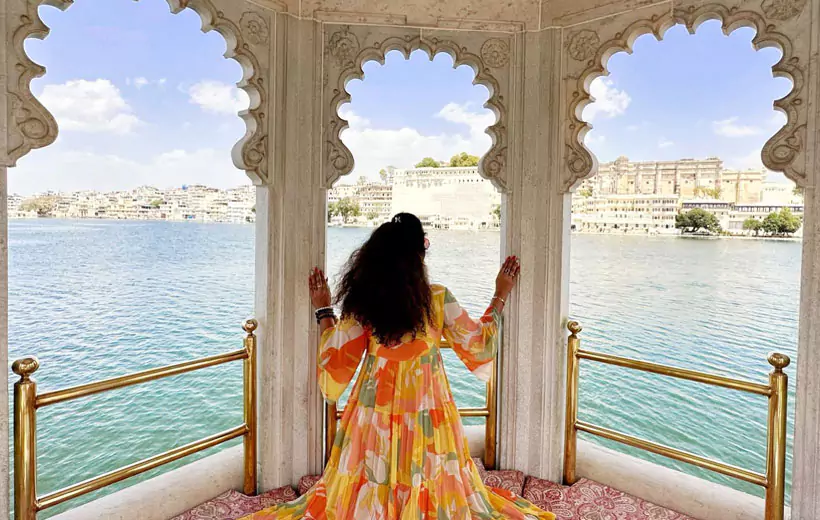
A well-paced South India journey leaves time for culture, scenery and rest.
Quick Planning Checklist
- Choose two or three main experiences rather than covering every state.
- Allow extra time for hill roads, temple visits and backwater transfers.
- Check seasonal weather for each destination, not just for “South India.”
- Confirm whether a private car includes the driver, fuel, parking and guide services.
- Keep one flexible day for rest, rain or an experience you enjoy more than expected.
Why South India Is Worth Planning Carefully
South India is not one single travel experience. Tamil Nadu is known for its temple architecture, traditional crafts and historic towns. Kerala brings waterways, tea country, beaches and a relaxed coastal rhythm. Karnataka adds palace cities, heritage sites and remarkable stone architecture.
Because the distances can be longer than they appear on a map, the best itinerary is usually built around a few priorities. You may want to focus on temples, backwaters, hill stations, food or a combination of these.
A good route does not need to include every famous destination. Fewer hotel changes often create a better holiday because you have more time to enjoy each place.
Choose a South India Experience That Suits You
Start with your interests instead of trying to connect every major city. If you enjoy architecture, ritual traditions and historic towns, Tamil Nadu may be the strongest focus. If you want nature, water and a slower pace, Kerala can shape the journey.
For a balanced first visit, combine two contrasting experiences. A temple route can pair well with a coastal stay, while hill-country scenery works nicely before a few nights beside the backwaters.
Think about your travel companions as well. Families may prefer shorter sightseeing sessions and comfortable hotels. Photographers may want extra time in one location. Travellers who dislike winding roads should discuss hill transfers before confirming the route.
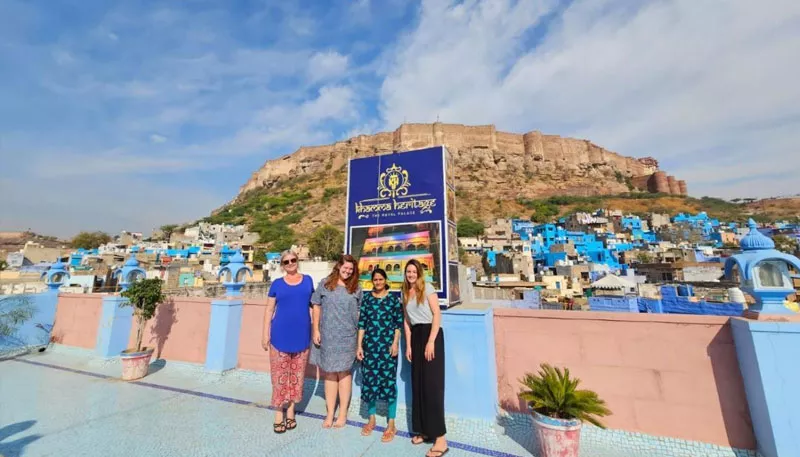
Choose destinations based on interests and travel pace, not only on a map.
How Many Days Do You Need?
With six or seven days, keep the route compact. A journey connecting Kochi, Munnar and Alappuzha can introduce city life, hill scenery and backwaters, but it still needs realistic transfer planning.
Twelve to fourteen days gives you more flexibility. You could follow a Tamil Nadu cultural route and finish in Kerala, or explore one state more slowly. Keep the first day after an international flight simple and leave the departure day uncomplicated.
Three weeks allows a broader journey through Tamil Nadu, Kerala and Karnataka. Even then, avoid adding destinations only because they are famous. Every extra city changes the pace and may create another long drive.
If you are considering a longer route, compare it with a South India circuit to understand how temple towns, backwaters and palace cities can be connected. Review the day-by-day schedule before treating any advertised route as final.
Best Time to Visit South India
For a first Kerala trip, November to February is often a comfortable starting point. Days can be pleasant for sightseeing, though mornings in hill areas may be cool.
Do not assume that one season suits every destination. Coastal weather, hill climate and temple-town conditions can differ. Rainfall patterns also vary between the western and eastern sides of the region.
Build flexibility into boat trips and outdoor excursions. If rain interrupts a viewpoint visit, a museum, cooking class or relaxed lunch can still make the day worthwhile.
Before paying a deposit, ask which activities are seasonal and what happens if they cannot operate. Confirm whether a cancelled excursion is refunded, replaced or simply removed from the itinerary.
| Period | General Conditions | Planning Advice |
|---|---|---|
| November to February | Often comfortable for sightseeing | Good first choice; book popular stays early |
| March to May | Can be hot in plains and coastal areas | Start early; consider hill destinations |
| June to September | Monsoon conditions vary by region | Keep outdoor plans flexible |
| October | Transitional weather | Check local forecasts before finalising |
Tamil Nadu: Build a Route Around Heritage
Chennai and Mamallapuram
Chennai can be a practical arrival point for a Tamil Nadu itinerary. After a long flight, keep the first day simple. Choose a few activities that match your interests rather than starting with a demanding schedule.
Mamallapuram, also called Mahabalipuram, is known for its stone monuments and Shore Temple. Give yourself enough time to notice the carvings instead of moving quickly between photo stops.
Early sightseeing can make open areas more comfortable. Later, leave space for a meal and a slower walk through the town.
Puducherry and Thanjavur
Puducherry offers a change of atmosphere, with streets that invite walking and pauses in cafés. Treat it as a destination with its own character rather than a quick stop between transfers.
Thanjavur brings the focus back to temple heritage, especially the Brihadeeswarar Temple. A knowledgeable local guide can help explain details that are easy to miss.
If you are interested in regional painting or craft traditions, ask about a workshop visit. Make it clear that you do not want pressure to buy.
Trichy and Madurai
Trichy and nearby Srirangam can add another dimension to a temple-focused journey. Large religious complexes deserve more time than a brief roadside stop.
In Madurai, the Meenakshi Amman Temple is a central reason many travellers visit. It remains an active place of worship, so entry rules, security procedures and photography arrangements should be checked locally.
If temples are your main interest, use a South India temple Tour as a starting point for discussion. Ask whether guides are included, how much time is allowed at each stop and whether the pace can be adjusted.
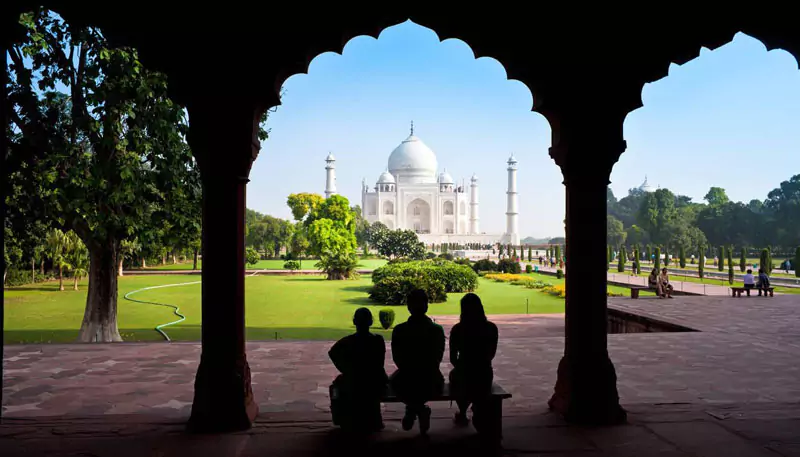
Temple architecture rewards visitors who slow down and look closely.
Kerala: Backwaters, Kochi and Munnar
Kochi as a Starting Point
Kochi works well as an introduction to Kerala. Its historic harbour area, churches, spice trade history and local food make it more than a transit city.
Keep the first evening relaxed. A walk through Fort Kochi, a seafood meal or a quiet harbour view can be a better start than a long sightseeing list.
Munnar and the Tea Hills
Munnar offers a completely different landscape. Tea plantations, cooler air, viewpoints and winding roads make it a popular addition to a Kerala route.
Allow enough time for the drive. Hill journeys can take longer than expected, especially if you stop for photographs, tea estates or viewpoints.
If you enjoy walking, choose trails according to local conditions and your fitness level. Do not plan a demanding hike immediately after a long transfer.
Alappuzha and the Backwaters
Alappuzha, also known as Alleppey, is a popular starting point for exploring Kerala’s backwaters. Decide whether you want an overnight houseboat, a daytime cruise or a shorter boat excursion.
These experiences have different rhythms. An overnight houseboat is not automatically better than a daytime cruise; the right choice depends on your comfort, budget and travel style.
Before booking a houseboat, request recent photographs and written details. Ask about the route, cruising hours, mooring location, meals, bathroom facilities and air-conditioning schedule.
For a compact holiday, review a Kochi, Munnar and Alappuzha holiday plan and check whether the transfer schedule suits you. Adding one extra night can make the journey feel much less rushed.

Backwater travel is best enjoyed without rushing between activities.
Choose Your Backwater Experience Carefully
The backwaters are often the highlight of a Kerala holiday, but they should be planned with the same care as any other major activity.
Ask whether the boat is exclusively for your group or shared with other travellers. Confirm the cruising hours, overnight mooring point, meal arrangements and what happens if weather affects the journey.
A smaller boat may suit travellers who want a quieter experience, while a houseboat can be comfortable for an overnight stay. Compare the actual facilities rather than relying only on package labels.
Keep some time free after the boat journey. A relaxed evening in Kochi or Alappuzha can be more enjoyable than immediately beginning another long transfer.
Private Car and Driver: When It Helps
A private car and driver can make a South India holiday easier, especially when the route includes hill roads, temple towns and backwater areas.
Door-to-Door Transfers
You can travel directly from one hotel to the next without managing luggage through stations or arranging separate local transport.
Flexible Sightseeing
A private vehicle allows you to stop at viewpoints, villages, restaurants and attractions along the way. The route can be adjusted according to weather and energy levels.
Useful for Families and Older Travellers
Families can take breaks when needed, while senior travellers can avoid rushed station transfers and long periods of standing.
However, a private car does not automatically mean a private boat, exclusive guide or individual wildlife excursion. Ask exactly which parts of the itinerary are private.
Food, Hotels and Everyday Comfort
Leave room to discover regional food rather than expecting one standard South Indian menu everywhere. Ask about local breakfast dishes, vegetarian meals and unfamiliar ingredients.
Explain allergies clearly and directly. If you are uncertain about a dish, ask before ordering rather than relying on its appearance.
Choose hotels for location as well as appearance. A beautiful property outside town may suit a rest day but complicate evening walks and early visits.
Ask about stairs, lifts, bathroom arrangements and dining options when those details affect your comfort. Read recent guest feedback alongside official photographs.
What to Pack for South India
- Comfortable walking shoes.
- Light, breathable clothing.
- A light layer for hill areas and air-conditioned rooms.
- Modest clothing for temples and religious sites.
- Hat, sunglasses and sunscreen.
- Personal medicines and basic first-aid items.
- Power bank and charging cables.
- Reusable water bottle.
- Small day bag for sightseeing.
- Copies of passport, visa and travel insurance.
Booking Checklist Before You Confirm
Before confirming your tour, ask for a day-by-day schedule that separates sightseeing from travel. A destination name alone does not tell you whether you will have two hours there or two nights.
Request approximate departure and arrival windows. Identify any day that combines a long drive with several major attractions, because those days can become tiring.
Check whether the itinerary is private throughout or includes shared activities. Ask how shared experiences are organised and whether their departure times affect the rest of your schedule.
Agree on how changes will be handled during the holiday. You may wish to skip a stop, leave earlier or spend longer somewhere that interests you.
Keep copies of booking details available offline, including hotel contacts, pickup instructions and the agreed itinerary. If your flight changes, send revised details promptly rather than assuming the original pickup arrangement will update automatically.
Travel Thoughtfully Along the Way
Backwater villages, temple neighbourhoods and plantation communities are places where people live and work. Keep paths clear, avoid entering private spaces without permission and ask before taking close photographs.
Carry a reusable water bottle where suitable refill arrangements exist, and keep rubbish with you until you find an appropriate disposal point. On boat trips, avoid throwing food or packaging into the water.
When considering wildlife or animal-related activities, ask what the experience involves before booking. Choose opportunities that let you observe animals without disturbing them.
Buy crafts because you appreciate the work, and ask about the materials and making process. If a workshop visit is arranged through your guide or driver, you can still decide not to purchase.
Frequently Asked Questions
Is South India suitable for a first visit to India?
Yes. South India can be a rewarding first visit, especially for travellers who enjoy culture, food, nature and a slightly slower pace. Start with one or two states rather than trying to cover the whole region.
How many days are ideal for a South India trip?
Six or seven days can cover a compact route. Twelve to fourteen days allows a more relaxed journey through Tamil Nadu, Kerala or Karnataka.
Which places should I combine in Kerala?
Kochi, Munnar and Alappuzha form a practical combination for many first-time visitors. It introduces city life, hill scenery and backwaters without requiring an overly complex route.
Can I combine Tamil Nadu and Kerala in one trip?
Yes, but plan the route carefully. A cultural route through Tamil Nadu followed by a Kerala finish can work well if you allow enough travel time.
Is a private car necessary in South India?
It is not necessary for every journey, but it can be useful for multi-city routes, hill transfers and travellers who prefer door-to-door comfort.
Are houseboats suitable for families?
They can be, but check the boat layout, bathroom facilities, safety arrangements and meal options before booking. A daytime cruise may suit younger children better.
What should I ask before booking a temple tour?
Ask about guide services, entry rules, dress requirements, walking distances, photography permissions and how much time is allowed at each temple.
Make the Final Route Your Own
South India rewards travellers who plan with intention. Choose your three main priorities, then build the route around them. Keep some afternoons free and discuss realistic transfer times before booking.
Remove a destination when it creates repeated long journeys. The places you experience properly are usually more memorable than those you briefly pass through.
Whether your trip focuses on temple towns, tea hills, backwaters or coastal food, leave space for the unexpected. A quiet conversation, a local meal or an unplanned viewpoint can become the part of the journey you remember most.






















Sign in to leave a comment.