
SPC Flooring: Benefits and Uses You Should Know
If you're planning a flooring upgrade for your home or office, SPC flooring deserves a spot on your shortlist. Short for Stone Plastic Composite flooring, SPC flooring has quickly become a go-to choice for homeowners and businesses looking for a floor that's tough, low-fuss, and good-looking. This SPC flooring guide breaks down why it's worth considering.
What Makes SPC Flooring Different
SPC flooring is built with a rigid core made from limestone powder and stabilizers fused with PVC. That combination gives it exceptional strength and dimensional stability, setting it apart from softer vinyl or laminate alternatives.
Benefits of SPC Flooring
Waterproof by design — SPC flooring holds up in kitchens, bathrooms, and basements without warping or swelling, unlike hardwood.
Built to last — The dense composite core resists scratches, dents, and heavy foot traffic, making it a solid pick for busy households and commercial spaces.
Minimal upkeep — A quick sweep and occasional mop is usually enough to keep it looking sharp, with no special cleaners required.
Simple installation — Most SPC flooring uses a click-lock system, so it can go down quickly without specialized tools.
Stays put in any climate — It won't expand or contract with humidity or temperature swings, so there's no acclimatization wait before installing.
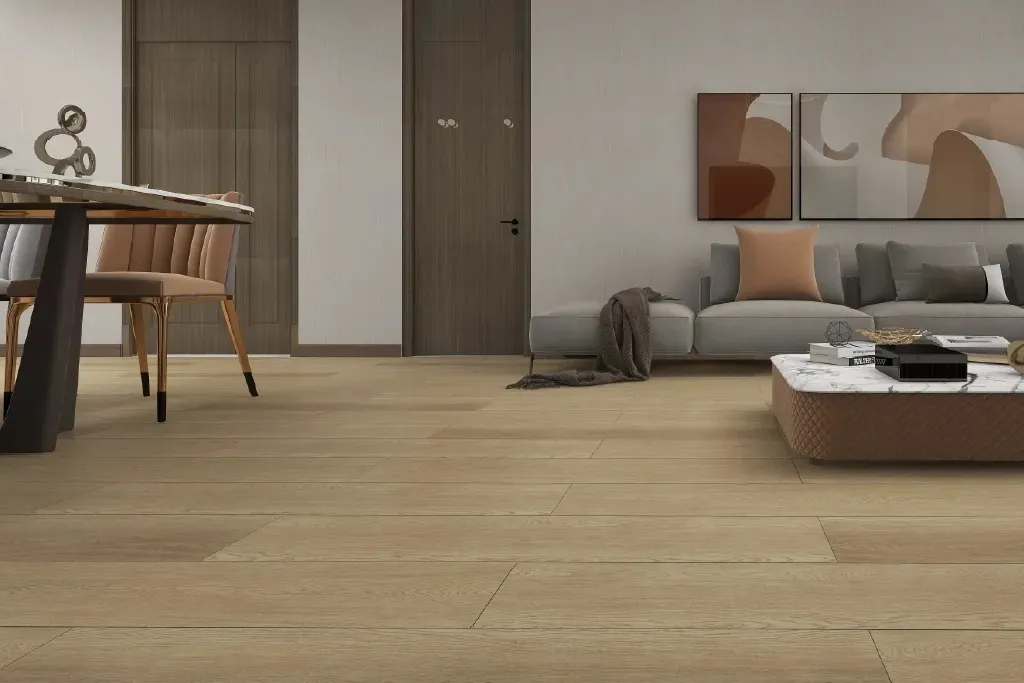
Style without compromise — Available in finishes that mimic natural wood and stone, SPC flooring lets you match nearly any interior look.
Where It Works Best
SPC flooring suits living rooms, bedrooms, offices, retail stores, and restaurants. Its waterproof core also makes it a strong fit for kitchens, bathrooms, and below-grade spaces like basements.
Between its durability, water resistance, and easy installation, SPC flooring offers real value for anyone renovating a home or commercial space — a practical, stylish option built to last.






















Sign in to leave a comment.