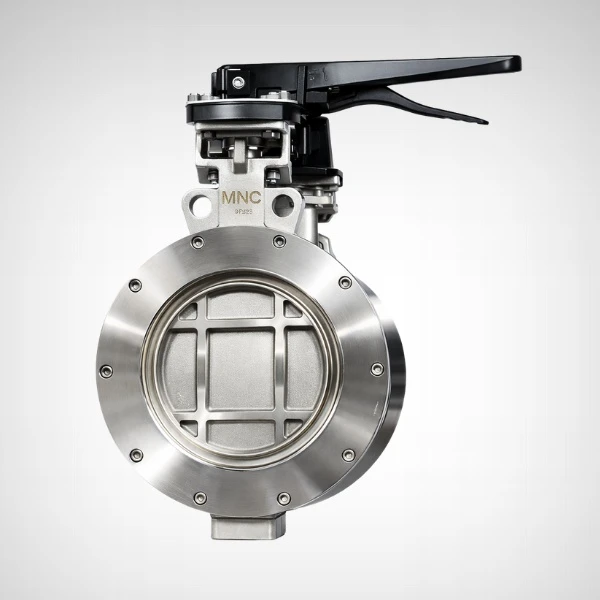

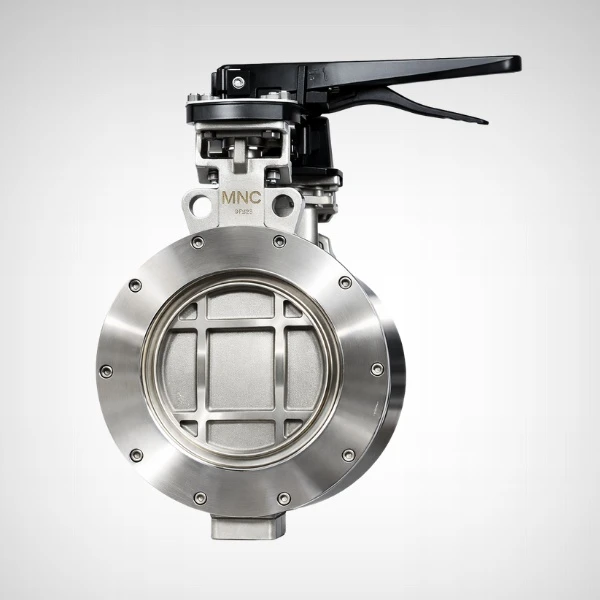
Based in Ahmedabad, India, MNC Valves is a well-known industrial valve manufacturer that specializes in cutting-edge flow control solutions for heavy-duty and essential infrastructure applications. The spherical butterfly valve, one of its signature products, is notable for its excellent sealing performance, sturdy design, and versatility in a variety of industrial settings.
What is a Spherical Butterfly Valve?
Gases, liquids, slurries, and other media can be regulated, throttled, or stopped using a spherical butterfly valve, a high-performance quarter-turn isolation valve. Spherical butterfly valves are distinguished by a spherically machined disc and seat that together create a three-dimensional sealing surface, in contrast to typical butterfly valves with flat disc seating.
How a Spherical Butterfly Valve Works
A basic quarter-turn mechanism powers spherical butterfly valves. A disk is fixed to a central shaft to form the valve. The disc rotates inside the body bore when the shaft turns 90 degrees, either allowing or totally blocking media flow.
Key Operating Phases
- Open Position: By aligning itself parallel to the flow stream, the disc reduces resistance and maximizes flow capacity.
- Throttle Position: Controlled throttling is made possible by the disc's partial rotation, which limits flow.
- Closed Position: The spherical sealing surface can engage the seat and accomplish a tight shut-off when the disc is fully rotated 90 degrees, placing it perpendicular to the flow.
Even in situations with high differential pressure, the spherical design improves the sealing contact and lowers the possibility of media leakage. Depending on the service needs, elastomeric or specialized PTFE seat materials further enhance this precision sealing.
Design Features of Spherical Butterfly Valves
A spherical butterfly valve's design demonstrates both field-driven performance optimization and technical precision. Important aspects of the design include:
1. Spherical Disc and Seat Geometry
The sphericity of the disc and seat produces a mathematically stable sealing surface, in contrast to flat discs. In addition to compensating for changes in pressure and temperature, this design reduces seat deformation.
2. Robust Body Construction
High-grade carbon steel, stainless steel, duplex alloys, or other corrosion-resistant materials specific to the process media are commonly used to build valve bodies. Depending on size and purpose, body types can be cast, forged, or manufactured.
3. Precision Machining
Tight tolerances on the spherical sealing surfaces are guaranteed by advanced CNC machining, which produces consistent contact and minimal torque needs during operation.
4. Sealing and Seat Materials
To withstand chemicals, harsh temperatures, and abrasive conditions, seats can be molded from elastomers (EPDM, NBR), PTFE variations (ordinary PTFE, RPTFE), or high-performance polymers.
5. Actuation Options
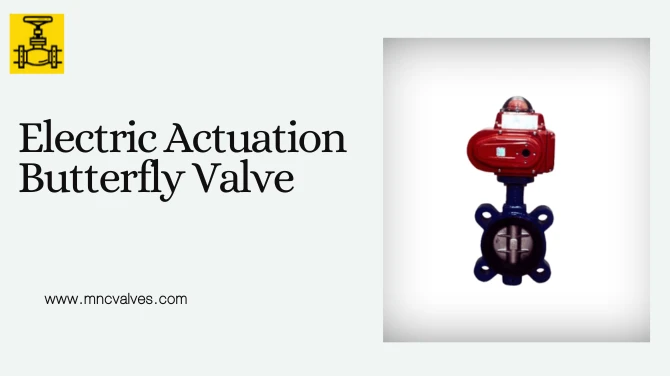
Spherical butterfly valves are compatible with hydraulic operators, electric actuators, and pneumatic actuators to enable automation. For lesser sizes, hand levers or gearboxes can also be used for manual operation.
6. Low-Torque Design
These valves can be used with compact actuation systems because they achieve lower operating torque than traditional butterfly valves by optimizing the spherical geometry and material pairing.
Key Advantages of Spherical Butterfly Valves
Because of their many technical advantages, spherical butterfly valves are appropriate for demanding and high-performance applications.
Tight Sealing Performance
When compared to conventional flat-seated butterfly valves, the spherical sealing interface significantly enhances shut-off performance. The sealing surface may compress uniformly thanks to the design, which reduces leakage routes and preserves integrity even after repeated cycling.
Low Maintenance Requirements
Wear at the sealing interface is decreased by the design. These valves usually have a long service life with little maintenance since there are fewer parts that are subject to wear and friction. It is frequently possible to replace or service a seat without taking the entire valve out of the pipeline.
Fast Operation
Spherical butterfly valves are a quarter-turn valve that may fully open or close in as little as 90°, which makes them ideal for applications that need quick reaction times. This feature is very useful in emergency isolation situations and safety shut-off systems.
Reduced Actuation Costs
Lighter, lower-power actuation methods result from low operating torque. Actuators can be sized more effectively, lowering capital and lifespan costs, whether they are electric or pneumatic.
Versatility Across Media and Conditions
Liquids, gases, slurries, and multiphase fluxes can all be handled with spherical butterfly valves. They function well in high pressures, abrasive slurries, corrosive chemicals, and extreme temperatures when the right materials are chosen.
Industrial Applications of Spherical Butterfly Valves
MNC Valves produces spherical butterfly valves that are designed to be used in a variety of industrial applications. They are perfect for vital applications in a variety of industries due to their performance and flexibility.
Water and Wastewater Treatment
Spherical butterfly valves control chemical feed lines, intake, distribution, and effluent discharge systems in municipal and industrial water treatment facilities. Corrosion-resistant materials withstand abrasive and chlorinated fluids, and their tight shut-off capabilities stop leaks in high-pressure pipelines.
Oil and Gas Industry
Spherical butterfly valves regulate the flow of crude oil, natural gas, refined products, and hydrocarbons during upstream extraction, midstream transit, and downstream processing. Strong sealing aids in preventing fugitive emissions, and their quick operation improves safety systems.
Chemical and Petrochemical Plants
Valves used in chemical processing must be resistant to poisonous, corrosive, and harsh media. In chemical injection lines, solvent handling systems, distillation columns, and reactors, spherical butterfly valves provide dependable service.
Power Generation Plants
Power plants depend on valves that strike a balance between performance and longevity for everything from cooling water circuits to steam distribution and auxiliary systems. Because of its small size and dependable performance, spherical butterfly valves are frequently utilized in thermal, nuclear, and renewable energy facilities.
Pharmaceutical Industry
Spherical butterfly valves are utilized in solvent management lines, CIP (Clean-In-Place) systems, and process pipelines in pharmaceutical production, where sterility and contamination control are critical. High-purity elastomer seats and PTFE guarantee adherence to hygienic regulations.
Food and Beverage Sector
Spherical butterfly valves made of food-grade materials are advantageous for food processing applications like dairy, breweries, and beverage pipelines. Strict hygienic regulations are supported by their easy sealing and cleanability.
HVAC Systems
Large commercial and industrial buildings with HVAC systems need reliable valves for air handling units, steam balancing, and chilled water lines. Spherical butterfly valves improve system efficiency with their quick actuation and low pressure drop.
Pulp and Paper Industry
High-temperature flows, chemical additives, and fibrous slurries are all used in the pulp and paper business. Spherical butterfly valves are appropriate for digesters, screen tanks, and black liquor pipelines because they can handle aggressive media while withstanding clogging and abrasion.
Conclusion
MNC Valves, one of the leading producers of spherical butterfly valves in Ahmedabad, India, creates high-performance valves for international businesses by fusing advanced engineering, precise production, and quality control. Spherical butterfly valves are an essential part of contemporary fluid control systems because of their excellent sealing, little maintenance requirements, quick operation, and wide material compatibility. MNC Valves is dedicated to providing high-quality and dependable fluid flow control solutions, whether they are servicing HVAC networks, oil and gas facilities, water treatment plants, or pharmaceutical lines.











Sign in to leave a comment.