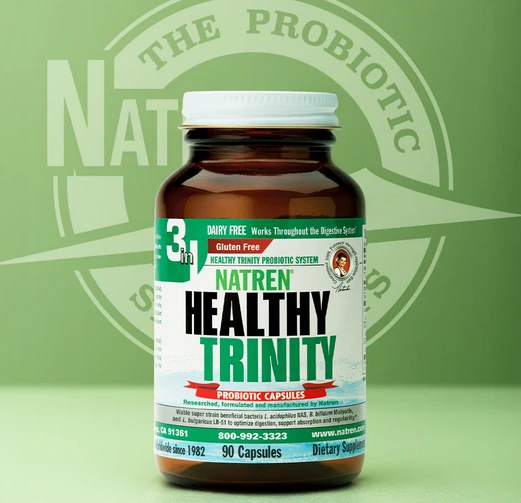

Probiotics are no longer a niche topic. As research expands, the conversation has shifted from whether probiotics help to how they work, and which types make sense for different people. One of the most discussed questions today is the difference between spore-based and traditional formulations. This debate is changing how clinicians and consumers evaluate probiotic supplements.
Rather than framing this as a competition, experts are focusing on function, tolerance, and context.
What Traditional Probiotics Are
Traditional probiotics are usually strains of Lactobacillus or Bifidobacterium. These bacteria are commonly found in fermented foods and the human gut. They are considered “active” bacteria, meaning they begin interacting with the digestive system soon after ingestion.
Because they are sensitive to heat, moisture, and stomach acid, traditional strains are often protected through capsules, refrigeration, or careful manufacturing. For many people, these probiotic supplements support digestion and microbial balance when used consistently.
How Spore-Based Probiotics Differ
Spore-based probiotics are structurally different. They exist in a dormant, protective shell that allows them to survive harsh conditions, including stomach acid. Once they reach the intestines, they become active.
This durability has drawn interest, especially among people who do not tolerate traditional probiotics well. Because they survive digestion more easily, spore-based probiotic supplements may behave more predictably in some digestive environments.
Why the Debate Started
The debate began as clinicians noticed varied responses to traditional probiotics. Some people experienced bloating or discomfort, while others experienced steady improvement. At the same time, spore-based probiotics appeared to be better tolerated by certain individuals.
This led to questions about whether one type was more effective or safer. Current thinking suggests the answer depends on the individual, not the category. Both types of probiotic supplements have strengths and limitations.
How Each Type Interacts With the Gut
Traditional probiotics tend to integrate into existing gut communities, interacting closely with resident bacteria. Their effects are often gradual and supportive, especially for long-term balance.
Spore-based probiotics are more transient. They pass through the gut and influence the environment without permanently colonizing. This temporary interaction can still be meaningful, particularly for people seeking digestive stability without long-term colonization.
Understanding these differences helps explain why responses vary and why neither type universally replaces the other.
Tolerance and Digestive Sensitivity
Digestive sensitivity plays a major role in probiotic choice. Some people with sensitive digestion or conditions involving fermentation feel better starting with spore-based options. Others do well with traditional strains and find spore-based formulas too stimulating.
This variability reinforces the idea that probiotic supplements are tools, not standardized solutions. Personal response matters more than category labels.
What Research Is Focusing On Now
Recent research compares outcomes rather than formats. Studies examine how different probiotics influence digestion, immune signaling, and microbial balance over time.
So far, findings suggest that both spore-based and traditional probiotic supplements can support gut health when chosen appropriately. Researchers emphasize strain-specific effects and consistency rather than broad claims.
The Role of Diet and Lifestyle
Probiotics do not function in isolation. Diet, stress, sleep, and medication all shape the gut environment. Traditional probiotics often rely on fiber intake to thrive, while spore-based probiotics are less dependent on diet.
This difference may influence choice during travel, stress, or dietary transitions. Some clinicians recommend adjusting probiotic supplements based on lifestyle changes rather than sticking to one type indefinitely.
Why Some Clinicians Prefer a Phased Approach
Instead of choosing sides, some practitioners use a phased approach. A spore-based probiotic may be introduced first to assess tolerance, followed by traditional strains if appropriate.
This method reflects a broader trend toward individualized care. It also explains why long-established probiotic manufacturers that focus on strain documentation and conservative formulation are often referenced in professional discussions.
Avoiding Overgeneralization
One of the risks in this debate is oversimplification. Saying one type is “better” ignores how complex digestion and microbiomes are. Both types of probiotic supplements can be helpful, neutral, or uncomfortable depending on the situation.
Clear labeling, realistic expectations, and gradual introduction reduce the chance of discomfort regardless of format.
What This Means for Everyday Use
For consumers, the takeaway is clarity rather than choice pressure. Understanding how each type works makes it easier to choose a probiotic that meets current needs.
Whether traditional or spore-based, probiotic supplements work best when used consistently and evaluated over time, not switched rapidly based on short-term sensations.
Final Thoughts
The debate between spore-based and traditional probiotics reflects progress, not conflict. It shows that probiotic science is moving beyond one-size-fits-all thinking.
Rather than asking which type is superior, a more useful question is which type fits your body, routine, and goals right now. When approached with patience and understanding, probiotic supplements, of either kind, can play a supportive role in long-term gut health.
Sign in to leave a comment.