

Antibiotics play a vital role in treating infections, but their impact doesn’t end when the prescription does. Many people notice changes afterward, digestive shifts, altered appetite, or stubborn weight changes that don’t respond to usual habits. Researchers now understand that these effects are often linked to the gut microbiome, which plays a quiet but important role in metabolism. This growing awareness has led to careful discussion around how probiotic supplements may help support metabolic recovery after antibiotics.
The goal is not to undo necessary treatment. It is to help the body return to balance.
What Antibiotics Do Beyond Treating Infection
Antibiotics reduce harmful bacteria, but they also affect beneficial microbes that support digestion and metabolic signaling. After a course of antibiotics, the gut often shows reduced diversity and uneven bacterial recovery.
Some bacteria return quickly. Others take weeks or months, and some may not fully rebound without support. This uneven recovery can influence how efficiently the body processes food, manages inflammation, and regulates energy use, key components of metabolism.
Why the Gut Microbiome Matters for Metabolism
Gut bacteria help determine how calories are extracted from food. They influence how carbohydrates and fibers are broken down and how short-chain fatty acids are produced. These byproducts affect insulin sensitivity, inflammation, and fat storage.
When antibiotics disrupt this system, the body may temporarily shift toward less efficient metabolic patterns. This is where probiotic supplements enter the conversation, as tools that may help support a more balanced microbial environment during recovery.
Appetite Signals and Energy Regulation
The gut communicates with the brain through hormones that regulate hunger and fullness. Antibiotic-related changes in gut bacteria can affect these signals, sometimes leading to increased appetite or altered cravings.
By supporting beneficial bacteria, probiotic supplements may help normalize gut–brain communication over time. This does not mean appetite changes disappear overnight, but gradual regulation is one of the mechanisms researchers are studying.
What Research Suggests So Far
Studies exploring probiotics after antibiotic use often focus on digestive recovery first. However, some research also notes downstream effects related to metabolism, such as improved insulin sensitivity markers or reduced low-grade inflammation.
These effects tend to appear gradually. Researchers emphasize that probiotic supplements are supportive, not corrective. They help create conditions that enable the body’s natural regulatory systems to stabilize again.
Inflammation, Insulin Sensitivity, and Recovery
Low-grade inflammation is closely linked to metabolic efficiency. Beneficial gut bacteria help regulate immune responses and keep inflammation in check. When these bacteria are reduced, inflammation may rise subtly, affecting how the body handles blood sugar.
By encouraging the return of beneficial microbes, probiotic supplements may support healthier inflammatory signaling. This, in turn, can help metabolic pathways function more smoothly during post-antibiotic recovery.
Why Consistency Matters After Antibiotics
Microbiome recovery is not immediate. Bacterial communities rebuild over weeks, not days. Short-term or inconsistent probiotic use may not provide enough time for meaningful interaction.
Healthcare providers often recommend steady use of probiotic supplements for several weeks after antibiotics, alongside supportive eating habits. This approach aligns with how the microbiome adapts and reduces the likelihood of frustration from unrealistic expectations.
Diet Still Plays a Central Role
Probiotics work best when paired with the right fuel. Fiber-rich foods feed beneficial bacteria and help them establish themselves. Without this support, even well-chosen probiotic supplements may have a limited impact.
Whole grains, vegetables, legumes, and fruits provide the substrates bacteria need to influence metabolism positively. Hydration and regular meals further support this process.
Choosing Probiotics With Purpose
Not all probiotics affect metabolism the same way. Some strains focus on digestion or regularity, while others interact more directly with immune and metabolic pathways.
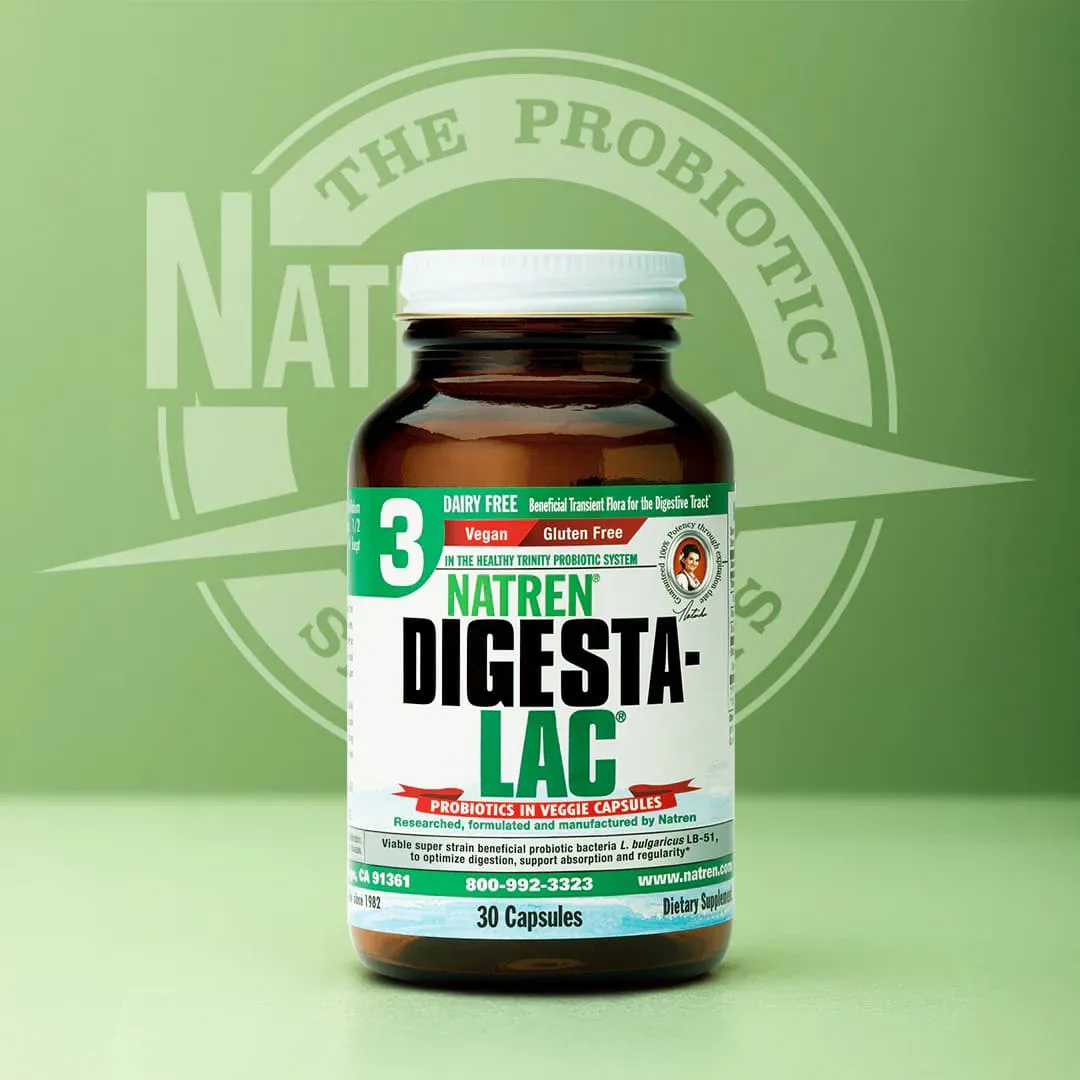
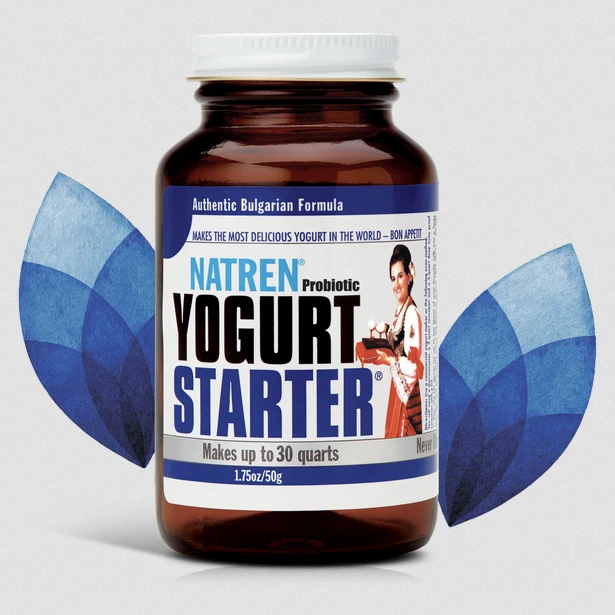
This is why clinicians often encourage looking for clear strain information rather than broad claims. Some prefer formulations from long-established probiotic producers known for strain documentation and conservative formulation, valuing reliability over novelty when supporting post-antibiotic recovery.
Who May Benefit the Most
People who have taken multiple antibiotic courses, noticed digestive disruption after treatment, or experienced unexplained metabolic changes often explore probiotic supplements as part of a recovery plan.
This does not mean probiotics are necessary for everyone. Many people recover naturally with time and balanced nutrition. Probiotics are optional tools, not requirements.
Setting Realistic Expectations
Metabolic shifts linked to the microbiome are subtle. Improvements may show up first as steadier digestion or energy levels before any noticeable change in weight or appetite patterns.
Understanding this timeline helps people use probiotic supplements calmly, without expecting rapid or dramatic results.
Final Thoughts
Antibiotics are sometimes unavoidable, but their effects on the gut microbiome deserve thoughtful follow-up. By supporting microbial balance, probiotic supplements may help create conditions that allow metabolism to stabilize after treatment.
This process is gradual and works best alongside fiber-rich nutrition, consistent routines, and patience. When approached as supportive care rather than a fix, probiotics can play a quiet role in helping the body find its metabolic rhythm again after antibiotics.

























Sign in to leave a comment.