
Gold. It's a symbol of wealth, status, and enduring value. But with its high price comes the unfortunate reality of counterfeiting. Fake gold can range from cleverly disguised base metals to pieces with lower-than-stated purity. This blog post delves into the methods gold buyers use to verify authenticity, helping you understand how to protect yourself and ensure you're getting a fair deal.
Why is Gold Authenticity Important?
The value of gold is directly tied to its purity and weight. Fake gold, whether it's made of cheaper metals like tungsten or simply has a lower karat rating than claimed, is worth significantly less – or even worthless. For both buyers and sellers, accurate authentication is crucial for fair transactions and protecting against fraud.
Methods Gold Buyers Use to Verify Authenticity:
Gold buyers employ a combination of tests, ranging from simple visual inspections to sophisticated analytical techniques. Here are some of the most common methods:
1. Visual Inspection:
- Hallmarks: These are small markings stamped onto gold jewelry indicating its purity (e.g., 24K, 18K, 14K). While hallmarks can be faked, their presence is a good starting point. Buyers will carefully examine the hallmarks for clarity and accuracy.
- Color and Luster: Pure gold has a distinct rich yellow color and a characteristic luster. Fake gold may appear brassy, dull, or have an unnatural shine. However, this is not a definitive test, as plating can mask the underlying metal.
2. Physical Tests:
- Magnet Test: Gold is not magnetic. If a piece of jewelry is attracted to a magnet, it contains other metals and is not pure gold. However, some non-magnetic metals like stainless steel can be used in counterfeits, so this test alone isn't foolproof.
- Density Test: Gold is very dense. This test involves measuring the weight and volume of the gold and calculating its density. This is a more accurate method, as different metals have different densities. However, sophisticated counterfeits might use denser metals like tungsten to mimic gold's density.
- Scratch Test (Acid Test): This involves rubbing the gold against a touchstone and applying different acids to the resulting streak. The reaction of the acid reveals the gold's purity. This method is effective but can leave a small mark on the item, so it's usually used as a last resort or on scrap gold.
3. Advanced Testing Methods:
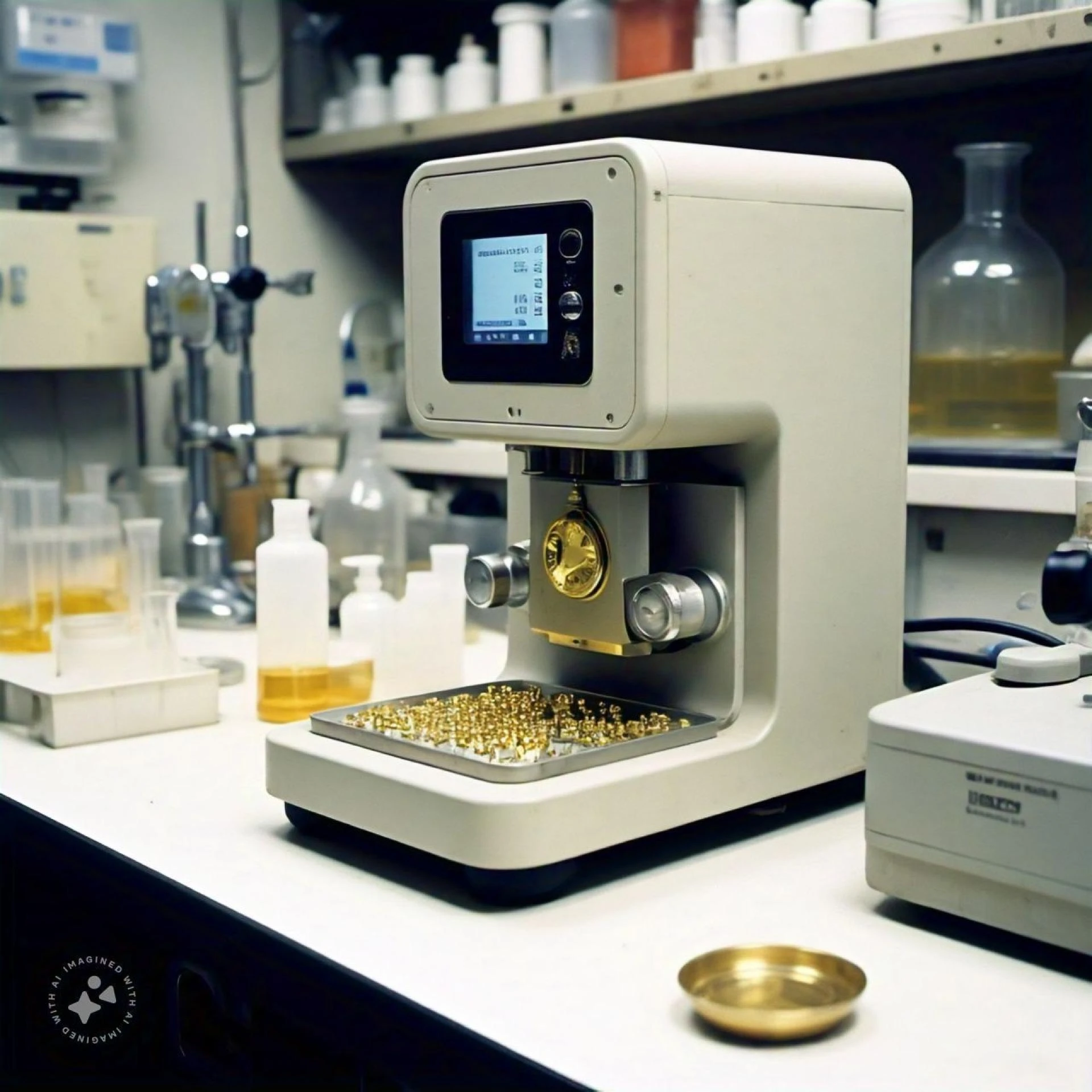
- X-Ray Fluorescence (XRF) Spectrometry: This is the most accurate and non-destructive method. XRF machines use X-rays to analyze the elemental composition of the gold, providing a precise measurement of its purity and identifying any other metals present. This is the preferred method for professional gold buyers.
- Ultrasonic Testing: This method uses sound waves to measure the thickness and density of the gold. It can be used to detect hollow pieces or those with a core of a different metal.
How to Protect Yourself as a Seller:
- Buy from Reputable Sources: Purchase gold from trusted jewelers or dealers with a proven track record.
- Look for Hallmarks: Check for clear and accurate hallmarks.
- Keep Receipts and Certificates: Maintain records of your gold purchases, including any certificates of authenticity.
- Be Wary of Unusually Low Prices: If a deal seems too good to be true, it probably is.
- Consult Multiple Buyers: Get valuations from several reputable gold buyers before selling to ensure you're getting a fair price.
Conclusion:
Authenticating gold requires a combination of knowledge, experience, and the right tools. By understanding the methods gold buyers use, you can protect yourself from fraud and ensure you receive a fair price for your valuable assets. Whether you're buying or selling, always choose reputable dealers and prioritize transparency throughout the transaction

























Sign in to leave a comment.