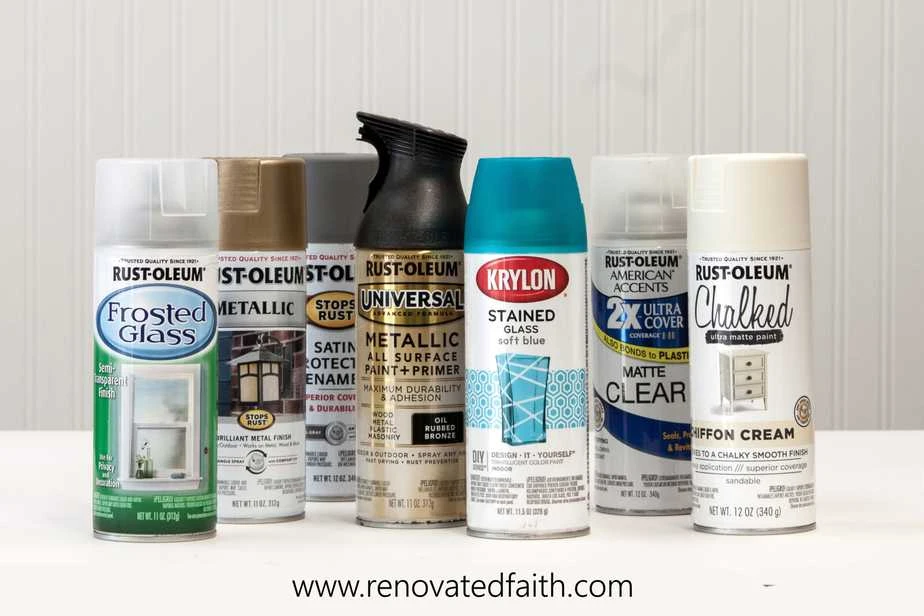

Spray painting can be tricky, especially for those just starting. Knowing the basics and having a few helpful tips and tricks up your sleeve is key to getting great results with minimal effort. This article will guide you through some essential steps for successful spray painting. These steps range from prepping the surface to applying the paint.
Getting Started with Spray Painting
Before you begin, there are some items that you'll need to have on hand. You will need a spray gun, paint, an air compressor, safety equipment such as goggles, and a mask. Make sure that the area is well-ventilated before beginning your project.
Preparing Your Work Area
Setting up your work environment is important before you start your spray painting project. It means clearing the area of any tools or materials that could get in the way. Ensure you also have plenty of ventilation and a place to accumulate over-spray. Cover floors and furniture with plastic or dust sheets, and ensure space to move around your project.
Applying the Primer
Once you're happy with your work area, it's time to prepare the surface for painting. If you're using a spray can, shake it well (following the instructions on the label) before spraying a light mist of primer over the surface. Make sure you keep the can at least 20 cm away from the surface and overlap each spray across the whole area. Allow the primer to dry completely before adding more coats if needed.
Basic Techniques for Spray Painting
Holding the Spray Can
Proper handling of the spray can is a crucial aspect of spray painting. The can should be about 6 to 10 inches from the surface you want to paint. Keep the can moving to avoid accumulating too much paint in one spot, which can lead to runs and drips.
Applying the Right Amount of Paint
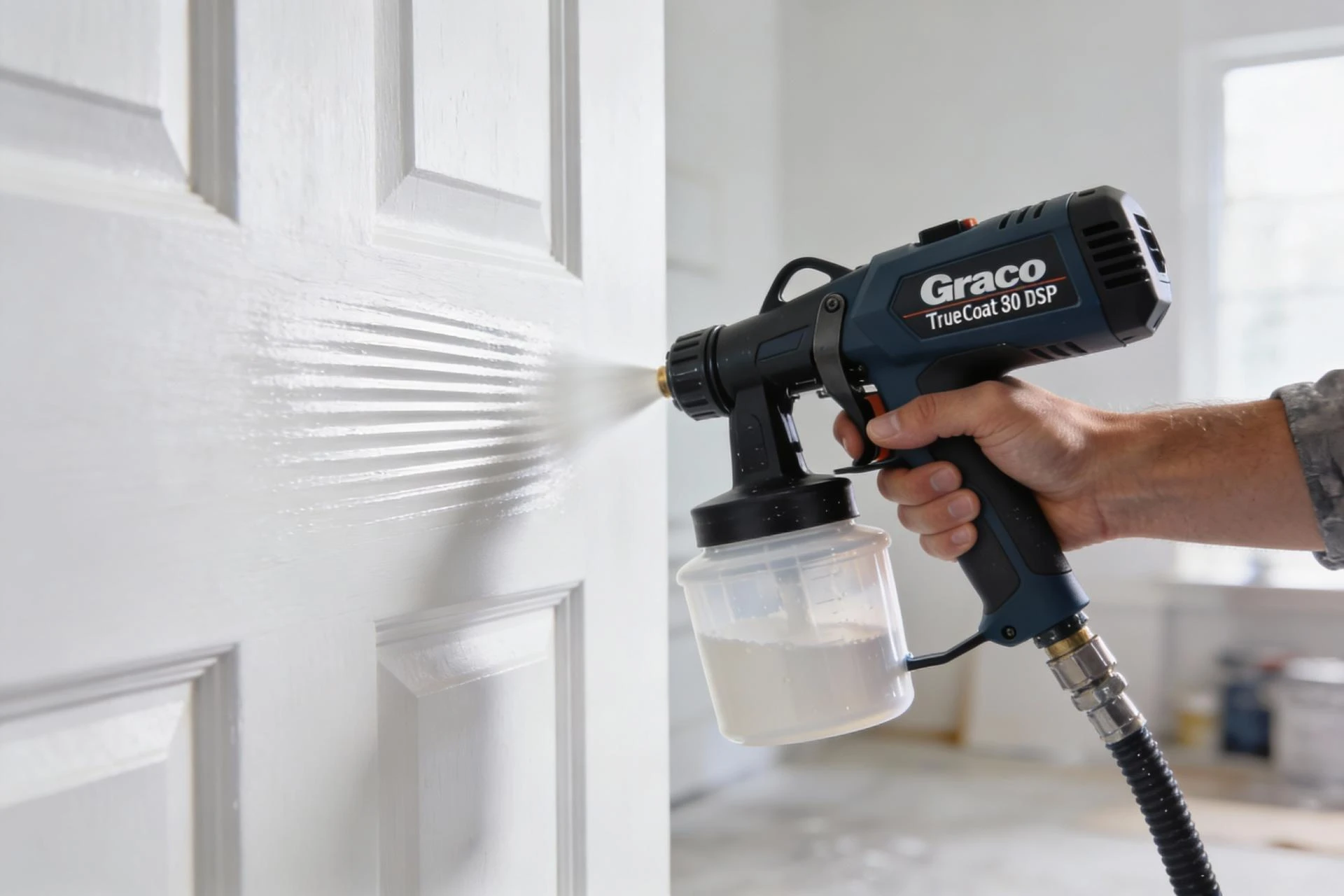
When spraying paint with titan paint sprayer, applying thin, even coats is essential. Too much paint in one area can cause drips or an uneven finish. Start with a light coat and allow it to dry before adding more coats. The number of coats needed will depend on the paint's type and color and the desired coverage level.
Understanding Overlapping Technique
The overlapping technique is a fundamental skill in spray painting. It means spraying the paint so that each new pass covers the last, ensuring a smooth and even finish. It's recommended to overlap each pass by approximately 50%.
Adopting the Right Spray Pattern
The spray pattern—how the paint comes out of the can—affects the finish of your project. Depending on the spray paint can, you may be able to adjust the nozzle for a vertical or horizontal pattern. Choose a pattern based on the shape and orientation of the object you're painting.
Maintaining Proper Ventilation
Always ensure your workspace is well-ventilated while spray painting. It not only aids in drying the paint faster but also helps to dissipate harmful fumes. Use fans and open windows or work outdoors if possible. Don't forget to wear a mask and eye protection to safeguard against paint particles.
Finishing Touches
Once you've finished applying your base layer(s) of paint, you may want to add some finishing touches. A few decorative paints like gold, copper, or bronze spray paint can add a touch of sparkle to your project. At the same time, clear varnish or lacquer can help protect the surface from wear and tear. Remember to shake the cans well before use and keep them at least 20 cm away from the surface when spraying.
Cleaning Up
Once you're done, it's important to clean your spray painting equipment as soon as possible. You can clean water-based paints with soap and water, while oil-based paints require a solvent. Follow the instructions on the paint can for best results.
Troubleshooting and Fixing Mistakes
While painting with titan paint sprayer can be a rewarding experience, mistakes are bound to happen occasionally. You can fix most issues with some know-how. If your paint isn't adhering, it may be because you haven't prepared the surface. Ensure you apply the object and keep the primer free from dust, dirt, or grease.
If you notice drips or runs in your paintwork, use a damp cloth to wipe them away before the paint has completely dried. If this doesn't work, you can sand the area with fine-grit sandpaper and apply another coat of paint.
Adjust the nozzle to a vertical or horizontal setting if your spray pattern isn't uniform. If that doesn't resolve the issue, check that the can is not clogged and give it a few shakes before continuing.
Conclusion
Spray painting is an easy and cost-effective way to give your projects a professional finish. Once you understand the basics of prepping the surface and applying paint in thin coats, you will achieve great results. Using proper techniques is also crucial; with these skills, you can achieve your goals with minimal effort. Always wear safety equipment, ventilate your space, and clean up after yourself when you're done. With a bit of practice, anyone can become an expert spray painter!









Sign in to leave a comment.