

Choosing the right painting method can change the final look of your home or business. It can also affect cost, durability, and project time. Many property owners in Victoria often ask whether spray painting is better than traditional brush and roller painting.
Both methods work well. But each has its own strengths. The best option depends on the surface, property type, and desired finish. In this guide, we compare spray painting and brush painting in detail. This will help you make an informed decision before hiring professional painters.
What Is Spray Painting?
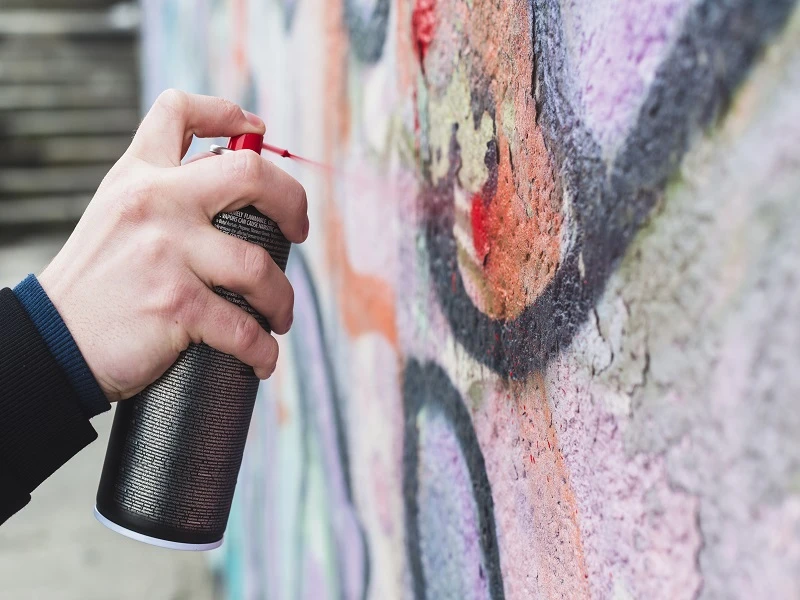
Spray painting uses specialised equipment to apply paint in a fine mist. The most common systems are airless sprayers and HVLP (High Volume Low Pressure) sprayers. These machines break paint into tiny particles and spread it evenly across a surface.
This method creates a smooth and uniform finish. It works well on large surfaces and modern builds. Many contractors offering spray painting use airless technology for faster and cleaner results.
Common Uses of Spray Painting
Spray application is ideal for:
- Interior walls and ceilings
- Exterior facades
- Fences and gates
- Garage doors
- Commercial warehouses
- Office fit-outs
- Retail spaces
It is also popular for repainting new construction homes. Large open areas benefit the most from this technique.
What Is Traditional Brush and Roller Painting?
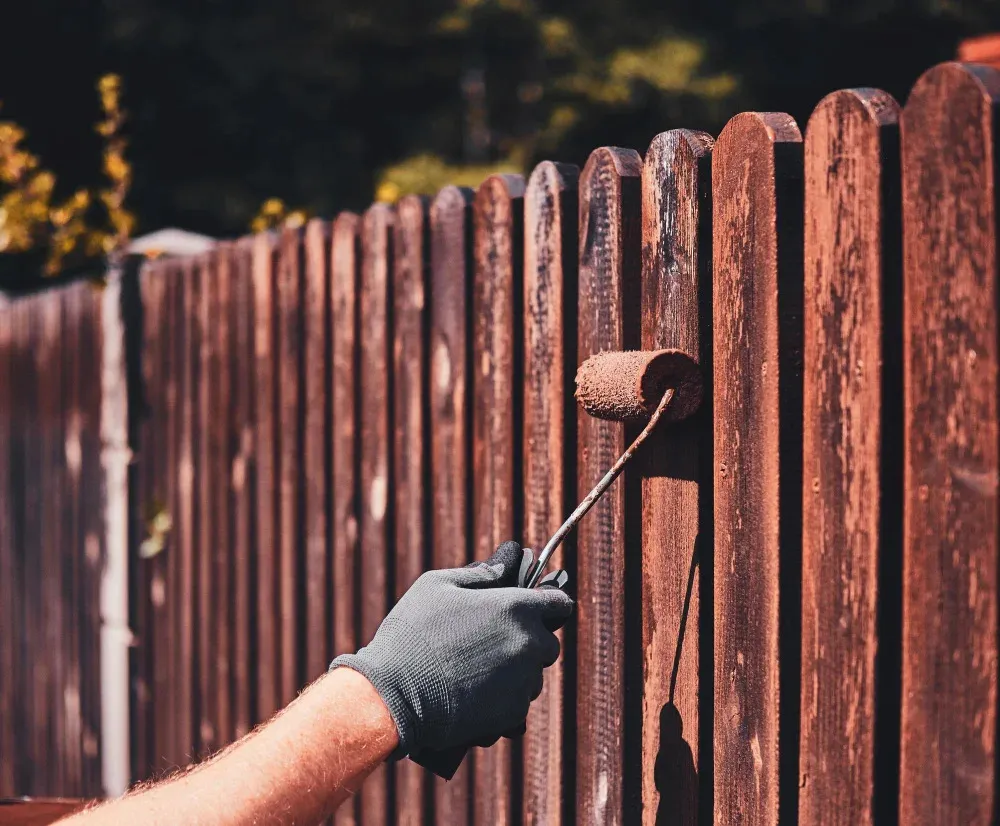
Brush and roller painting is the classic method. Painters use brushes for edges and trims. Rollers are used for flat wall sections. This method gives strong control over paint thickness and detailing.
It works well for smaller areas. It is also suitable for heritage homes and detailed timberwork. Many residential painting services still rely on brushes for precision work.
Where Brush Painting Works Best
Brush and roller painting is suitable for:
- Detailed trims and mouldings
- Small bedrooms and living spaces
- Touch-ups and patch repairs
- Weatherboard homes
- Decorative woodwork
It allows painters to work carefully around tight areas. Overspray is not a concern with this method.
Speed of Application
One major difference is speed.
Spray painting is much faster. It can cover large walls in a short time. This makes it perfect for commercial painting projects and new developments. Businesses that need minimal downtime often prefer spray painting in Melbourne because it reduces labour hours.
Brush painting is slower. It requires multiple passes and careful rolling. For small projects, the time difference may not matter. But for large properties, it can extend the timeline.
Finish Quality
Finish quality is another key factor.
Spray painting produces a smooth and even coat. There are no brush marks or roller lines. The result looks clean and modern. It works very well on plasterboard, render, metal, and garage doors.
Brush painting can leave slight texture marks. However, some homeowners prefer this traditional look. It may suit heritage properties or textured surfaces.
For contemporary homes, spray painting in Melbourne is often chosen for its flawless appearance.
Cost Comparison
Cost depends on several factors. These include surface size, preparation needs, access, and paint type.
Spray painting can reduce labour costs due to speed. But it requires specialised equipment and extensive masking. Windows, floors, and fixtures must be protected from overspray.
Brush painting requires less masking. Equipment costs are lower. However, labour hours may be higher for large areas.
In many cases, professional contractors assess both methods before giving a final quote.
Paint Wastage and Efficiency
Spray painting may create overspray if not handled correctly. Skilled painters control this by using drop sheets and masking materials. When done professionally, wastage is minimised.
Brush and roller painting offers more direct control. Paint goes exactly where it is applied. This reduces the risk of airborne particles.
Proper surface preparation is critical for both methods. Cleaning, sanding, and priming improve adhesion and durability.
Durability and Longevity
Durability depends more on preparation and paint quality than the method itself. However, spray systems often create an even coating thickness. This can improve adhesion and weather resistance.
Exterior surfaces in Victoria face strong UV exposure and changing weather conditions. A consistent coat helps protect brick, timber, and render.
Professional teams providing spray painting in Melbourne ensure the surface is sealed correctly before application. This improves long-term performance.
Brush painting can also last many years when done properly. The key factor is skilled workmanship.
Interior Applications
For interior walls and ceilings, spray painting offers speed and smoothness. It is ideal for modern homes with flat finishes. It also works well for office spaces and commercial interiors.
Brush and roller painting may be preferred in furnished homes. It reduces the need for extensive masking. It also allows precise cutting around trims and cornices.
Interior spray painting is especially useful for new builds. Empty spaces make the process faster and cleaner.
Exterior Applications
Exterior painting requires extra care. Wind can affect spray application. Professional painters check weather conditions before starting. Calm days provide the best results.
Spray painting is excellent for:
- Large rendered walls
- Brick veneer homes
- Fences
- Commercial complexes
Brush painting works better for small exterior sections and detailed timber areas.
Many property owners choose spray painting in Melbourne for fences and large facades because it ensures even coverage.
Residential vs Commercial Projects
Residential homes vary in size and design. Spray painting is often chosen for new homes and full repaints. It delivers a modern finish and faster completion.
For commercial buildings, speed is crucial. Warehouses, schools, restaurants, and retail stores benefit from efficient application. Spray equipment can handle high ceilings and expansive walls with ease.
Commercial painting contractors frequently recommend spray painting for large-scale projects. It reduces downtime and disruption.
When to Choose Spray Painting
Spray painting is ideal when:
- The surface area is large
- A smooth finish is required
- The property is vacant
- Time is limited
- You want a factory-like look
It is also perfect for garage floors, fences, and metal doors. Professional spray painters ensure proper masking and safety measures.
Homeowners seeking spray painting in Melbourne often value its speed and sleek results.
When to Choose Brush Painting
Brush and roller painting is better when:
- The project is small
- Detailed trim work is involved
- Overspray risk is high
- The property is occupied
- Budget control is essential
It allows careful work in tight spaces. It also suits heritage homes and decorative elements.
Why Hiring Professionals Matters
Painting may look simple. But professional results require skill and planning. Surface preparation, primer selection, and weather timing all matter.
Experts assess:
- Surface condition
- Moisture levels
- Paint compatibility
- Access and safety
A qualified team ensures clean lines and even coats. Whether using brushes or spray systems, workmanship defines the outcome.
Reputable providers of spray painting combine experience with modern equipment. This guarantees consistent quality.
Final Verdict
Both spray painting and traditional brush painting have clear advantages. Spray painting is fast and delivers a smooth finish. Brush painting offers precision and control. For large residential and commercial properties, spray painting in Melbourne is often the preferred choice. For smaller or detailed projects, brushes and rollers may be better. In some cases, professionals use a hybrid approach. They spray large walls and brush trims for detail. This combines speed with accuracy.


























Sign in to leave a comment.