
A guide to separating household junk to ensure it actually gets recycled in 2026.
Spring cleaning is a time-honoured tradition across Aotearoa New Zealand. As the weather warms up, households throw open their windows and tackle the clutter that accumulated over the winter months. However, a major clear-out often generates a mountain of waste—and simply throwing everything into a single bin is no longer an option.
With New Zealand’s standardized nationwide kerbside recycling rules fully embedded, the way we sort our household junk matters more than ever. "Wish-recycling"—the habit of tossing an item into the yellow bin hoping it will be recycled—now causes severe contamination, often forcing entire truckloads of good material into landfills.
To ensure your spring clean actually benefits the planet, here is a definitive guide to separating your household waste under the current standards.
1. Mastering the Daily Kerbside Bin
Under the unified national guidelines, every council across New Zealand accepts the exact same baseline of materials at the gate. When clearing out cupboards and pantries, remember the core rules for your council recycling bin:
- The Big Three Plastics: Only rigid plastics marked with the numbers 1, 2, and 5 are accepted. This includes milk bottles, soft drink bottles, clean ice cream containers, and shampoo bottles. Plastics 3, 4, 6, and 7 cannot be processed onshore and must go into the general refuse.
- The No-Lid Rule: All lids, triggers, and pumps—regardless of whether they are plastic or metal—must be removed and placed in the rubbish. They are too small for automated recycling machinery to sort properly.
- Keep it Loose: Never bag your recycling. Sorting facilities will automatically discard tied plastic bags for safety reasons, meaning your clean recyclables will end up in the landfill.
2. Managing the Demolition and Garage Debris
Spring cleaning often goes beyond old magazines and plastic containers, extending into garage clear-outs, broken garden furniture, and DIY renovations. These materials require completely separate logistics:
- Cardboard Boxes: Large appliance boxes must be flattened. Most councils require them to be broken down to a specific size (usually under 50cm x 50cm) if left beside the bin, or they must be taken to a local resource recovery center.
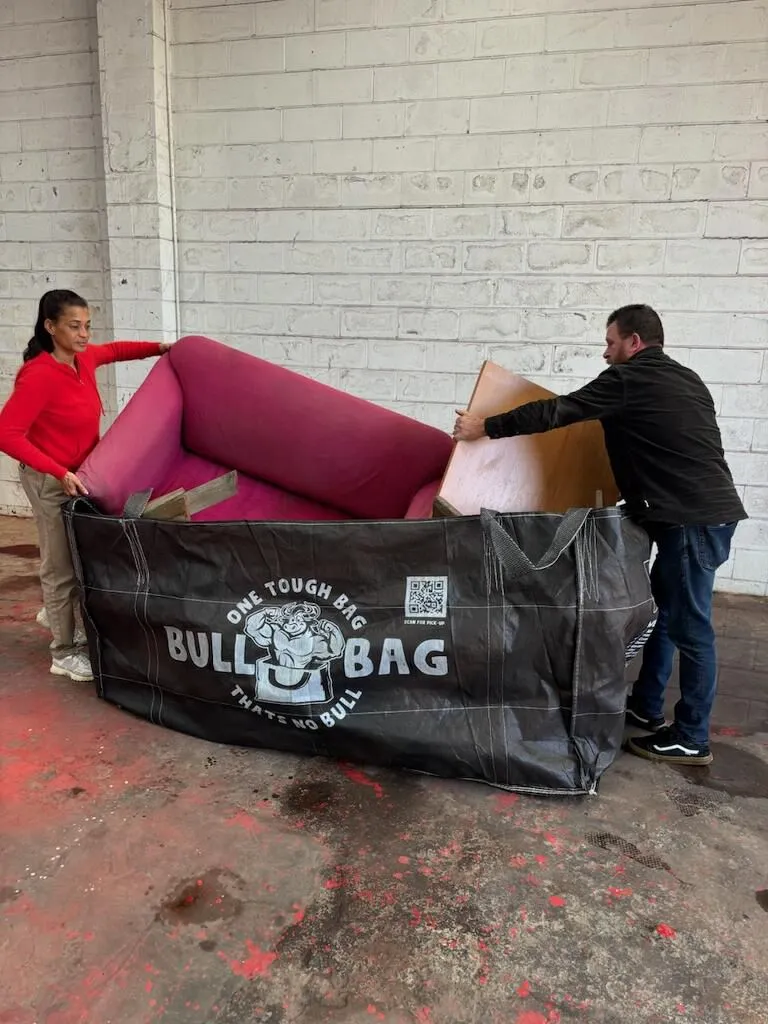
- Metal Items: While aluminium and steel food tins go in your household bin, heavy metals like old frying pans, rusted tools, or scrap iron will damage municipal machinery. These should be separated and taken to a scrap metal dealer or handled via heavy-duty skip bin alternative bags designed to carry bulk weight.
- E-Waste and Batteries: Never throw batteries, old laptops, or power tools into household bins. Lithium-ion batteries pose a massive fire risk to collection trucks. Utilize dedicated retail take-back schemes or community e-waste drop-offs.
3. Navigating Soft Plastics and Textures
A common pitfall during a deep clean is the handling of soft plastics—such as bubble wrap, chip packets, and plastic shopping bags.
Soft plastics cannot go into your kerbside recycling bin. They get tangled in sorting conveyor belts and shut down processing plants. Instead, collect all clean, dry, scrunchable plastics separately. These can be dropped off at designated Soft Plastic Recycling bins located at major supermarkets and retail hubs across NZ, where they are repurposed into durable items like plastic fence posts for Kiwi farms.
Similarly, old clothing, bedding, and shoes should never enter the recycling stream. If they are in good condition, donate them to local op-shops; if they are beyond repair, look for specific textile recycling initiatives.
4. The Golden Rule: Rinse and Dry
Even if an item is perfectly recyclable, food residue can ruin an entire batch of materials. A half-full jar of expired pasta sauce or a oily pizza box can contaminate paper and cardboard sitting next to it.
Give all bottles, tins, and jars a quick rinse in left-over dishwater before putting them in the bin. They don't need to be pristine, but they must be free of major food residue and drained of liquids.
Conclusion
A successful spring clean isn't just about reclaiming space in your home; it’s about ensuring our collective footprint is minimized. By slowing down and taking the time to separate household waste at the source, New Zealanders can actively support the country's transition to a truly circular economy. This spring, let's make sure the items we cast away are given the best possible chance at a second life.
























Sign in to leave a comment.