
After months of cold temperatures, frost, and snow, it’s normal for lawns to look dull, patchy, or lifeless. But with the right care, your grass can bounce back quickly.
Spring is the perfect time to repair winter damage, encourage new growth, and set your lawn up for a healthy season ahead.
Here’s a simple guide to bringing your lawn back to life after winter.
Start with a thorough cleanup
After a long winter, your lawn needs a bit of a reset. Start by cleaning up any leftover leaves, twigs, and dead grass. It might seem simple, but this step helps your lawn get the sunlight and air it needs to come back to life.
To get started, you’ll want to have a few basic tools on hand, such as a sturdy rake (leaf or dethatching rake works best), garden gloves to protect your hands, and a lawn bag or bin for collecting debris. If you want, you can also use a leaf blower for quicker cleanup.
Begin by raking away any leaves, sticks, and dead grass covering the surface. This not only improves the look of your lawn but also allows air, water, and sunlight to reach the soil again. If you notice thick layers of thatch (dead grass buildup), a dethatching rake can help break it up.
It might seem like a simple step, but this cleanup makes a big difference. It gives your lawn the fresh start it needs to recover faster and grow stronger in the weeks ahead.
Inspect for winter damage
Now that your lawn is cleaned up, it’s a good time to take a proper look at it. Winter can be tough on grass, so don’t be surprised if you see a few problem areas. Whether it’s patchy spots or flattened soil, identifying these early will help you bring your lawn back to life more easily.
Aerate compacted soil
After winter, it’s pretty common for your lawn to feel hard and compacted. Snow, frost, and even foot traffic can press down the soil, making it difficult for air, water, and nutrients to reach the roots. That’s where aeration comes in — it helps loosen things up so your grass can breathe and grow properly again.
To get started, you’ll need tools such as a core aerator (manual or powered) to remove small plugs of soil, a garden fork for smaller areas or light aeration, and sturdy shoes or boots for better grip while working.
If you have a larger lawn, renting a mechanical aerator can save you significant time and effort. For smaller spaces, a simple garden fork can do the job just fine.
Work your way across the lawn, creating small holes in the soil to improve airflow and water absorption. You don’t need to overdo it — just enough to loosen compacted areas and allow nutrients to reach deeper into the ground.
It might take a bit of effort, but aerating your lawn can make a huge difference. It encourages deeper root growth and sets the foundation for thicker, healthier grass as the season goes on.
Reseed bare or thin areas
Once you’ve cleared and prepped your lawn, it’s time to fill in any bare or thin spots. Winter can be tough on grass, often leaving behind patchy areas that need a little extra help to recover. Reseeding is a simple way to bring those areas back to life and create a fuller, more even lawn.
To get started, you’ll need grass seed suited to your climate and lawn type, a spreader (hand or broadcast) for even distribution, and a rake to lightly loosen the soil.
Additionally, you’ll need a hose or a high-quality sprinkler to keep the area moist.
Another optional step is adding topsoil or compost for better seed coverage.
Start by lightly raking the bare spots to loosen the top layer of soil. This helps the seeds settle in and improves contact with the soil. Then, spread the grass seed evenly over the area. If you’re using topsoil or compost, add a thin layer on top to protect the seeds and help retain moisture.
Water the area gently but consistently, keeping the soil slightly damp while the seeds begin to grow. Be careful not to overwater, as this can wash the seeds away.
With a bit of patience and regular watering, you’ll start to see new grass filling in those patchy spots, helping your lawn look thicker and healthier overall.
Apply the right fertilizer
Winter can be tough on your lawn. The lack of nutrients means that your grass needs a boost to get growing again. Applying the right fertilizer in early spring helps bring your grass back to life, encouraging it to grow greener, thicker, and stronger.
To make the process easier, you’ll need a lawn spreader (broadcast or drop spreader) for even coverage, the right fertilizer (preferably a slow-release, balanced formula), and gloves to protect your hands.
Start by choosing a fertilizer that suits your lawn type. Slow-release fertilizers are a great option because they feed your grass gradually over time, rather than all at once.
Using a spreader, apply the fertilizer evenly across your lawn. This step is important — uneven application can lead to patchy growth or even burn certain areas. Once applied, lightly water your lawn to help the nutrients soak into the soil and reach the roots.
It’s a simple step, but it makes a big difference. With the right nutrients, your lawn will recover faster and develop into a thick, healthy green space as the season progresses.
Water smartly
As the weather starts to warm up, your lawn will need regular watering to recover and grow. But more water doesn’t always mean better results — watering the right way is what really makes a difference.
To keep things simple, you’ll need a hose or sprinkler system for consistent watering. You may also need a watering can for small or newly seeded areas.
The best time to water your lawn is early in the morning, when temperatures are cooler, and there’s less evaporation. This gives the water enough time to soak into the soil and reach the roots where it’s needed most.
Mow with care
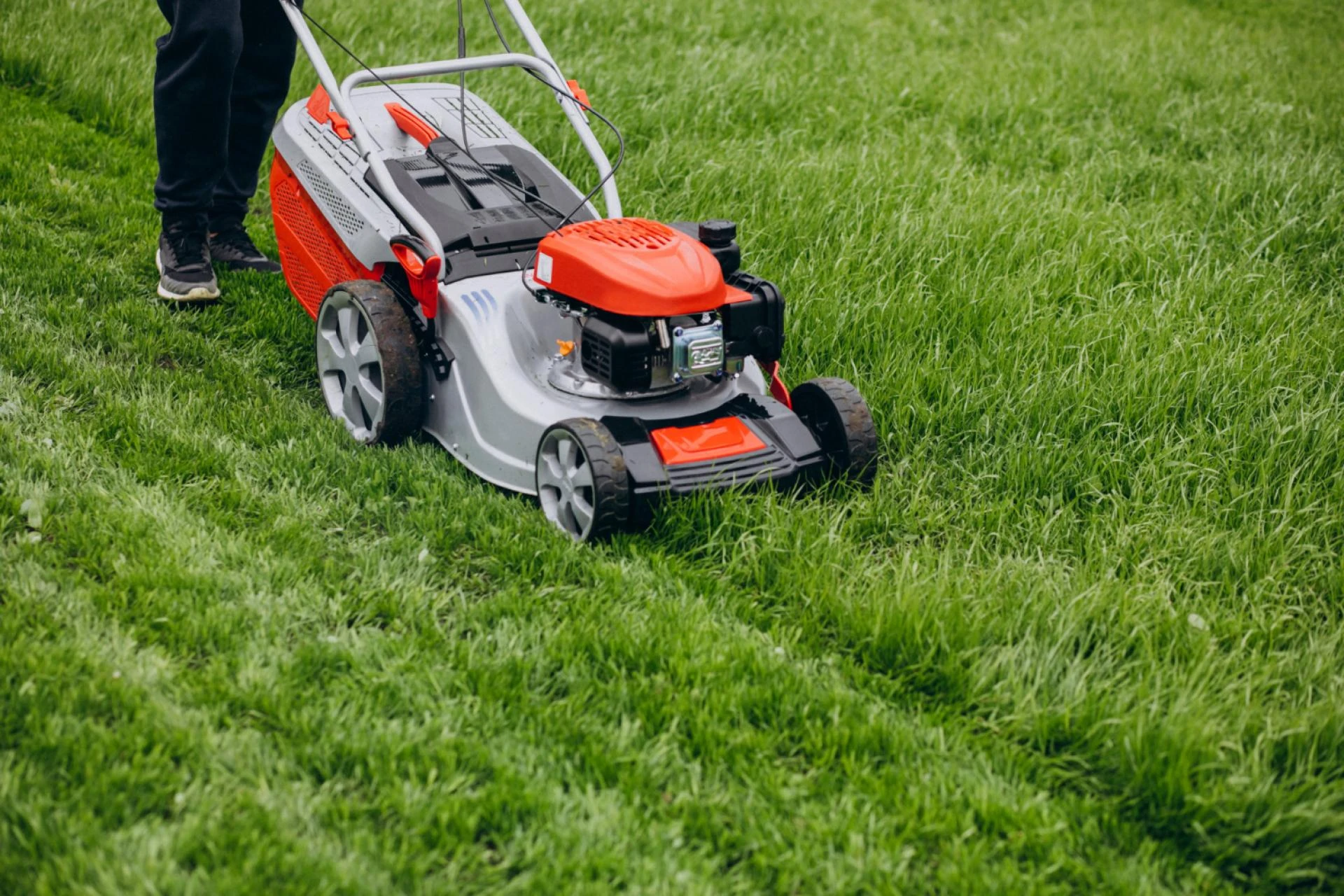
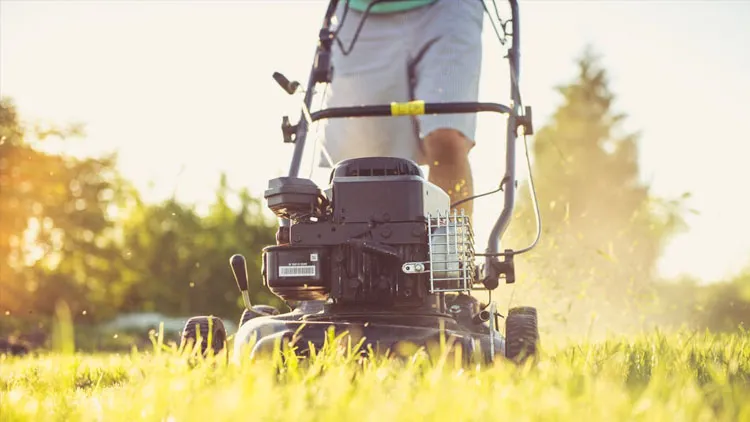
Once your lawn starts growing again, it’s time for that first mow — but it’s important not to rush it. Cutting the grass too short can stress it out, especially when it’s still recovering from winter.
Keep your mower blades sharp to slice through the grass cleanly instead of ripping it. Try to follow the “one-third rule,” meaning you should never cut more than a third of the grass height at once. Keeping your grass slightly longer actually helps it grow stronger and healthier.
Prevent weeds early
Spring is the perfect time to get ahead of weeds before they take over your lawn. Healthy, thick grass naturally crowds out weeds, but a little proactive effort goes a long way.
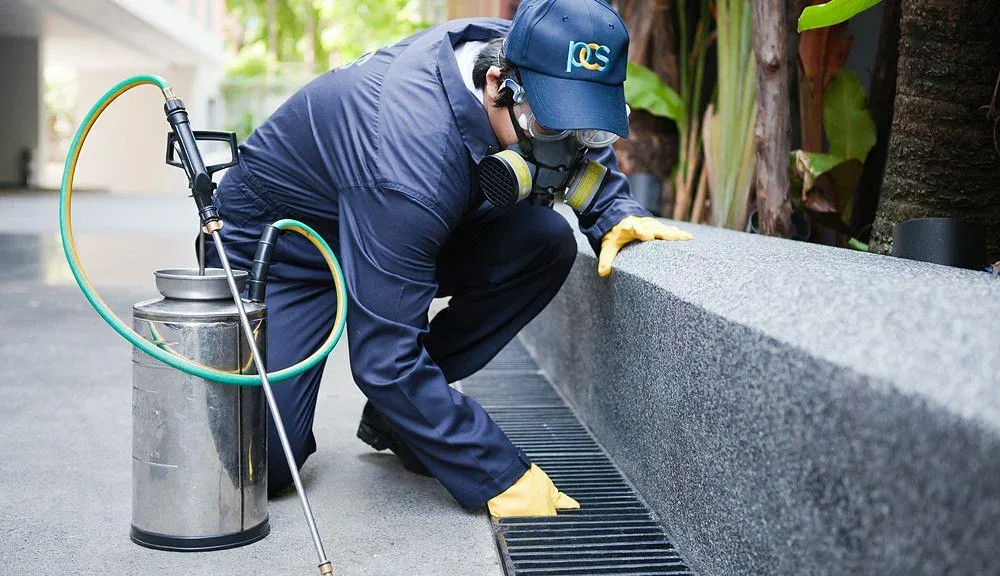
Start by inspecting your lawn for early weed growth and removing any you see. Applying a pre-emergent weed control can help stop weed seeds from sprouting in the first place. Be sure to follow the instructions carefully to protect your grass.
Bottom Line
Reviving your lawn after winter doesn’t have to be complicated. With proper cleanup, aeration, reseeding, fertilizing, and watering, you can restore your grass to a lush, healthy state. A little effort in early spring goes a long way in creating a vibrant lawn that lasts all season.



























Sign in to leave a comment.