

Kidney stones are a prevalent issue in the urinary tract, and if they are not managed properly, they can lead to very painful and uncomfortable situations. The mineral deposits are hard and can form inside the kidneys, altering in size, shape, and also in chemical composition. If something goes wrong, medical help may be the next thing. The development of kidney stones, recognizing symptoms throughout the stages, and the access to treatment and removal options can all be part of the strategy for patients to take timely and effective actions.
How Kidney Stones Form
Kidney stones are the result of a high concentration of minerals like calcium, uric acid, or oxalate in urine, which becomes saturated and hence, starts to crystallize. The small crystals gradually combine and form stones, a process that can take weeks to months. Besides, dehydration, poor diet, family history, and certain health conditions can all lead to the formation of stones. Hence, it is vital to detect them at an early stage because they usually grow unnoticed until the symptoms show up.
Stage 1: Stone Formation in the Kidney
The first step is just the inception of the disease process and the stones forming in the kidney but most of the time there is no symptom at all. There are lots of people who are not even aware that they have stones until the stones move and then the pain starts. Drinking insufficient water and consuming a high-salt or high-protein diet often contribute to this stage. At this point, lifestyle changes and hydration may support kidney stone treatment before the condition worsens.
Stage 2: Stone Movement to the Ureter
Usually, the first signs of a stone moving happen when it comes from the kidney to the ureter. This is the situation when a stone of even a small size can block the passage because of the narrowness of the ureter. One might experience pain in the lower back or side area that could be coming and going in waves. Nausea, vomiting, and difficulties in urination are also common during this stage. This is frequently the time when patients go for medical consultation regarding kidney stones treatment.
Stage 3: Passing Through the Bladder
Usually, the first signs of a stone moving happen when it comes from the kidney to the ureter. This is the situation when a stone of even a small size can block the passage because of the narrowness of the ureter. One might experience pain in the lower back or side area that could be coming and going in waves. Nausea, vomiting, and difficulties in urination are also common during this stage. This is frequently the time when patients go for medical consultation regarding kidney stones treatment.
Stage 4: Stone Exit or Complications
The last stage is when the stone is excreted from the body through urine. Little stones might come out without any major discomfort, but on the other hand, big stones may result in severe pain along with complications. If a stone refuses to dissolve naturally, then one will have to opt for surgical intervention. This phase often assesses whether professional removal of kidney stones is needed to avoid the occurrence of infections or the loss of kidney function.
Symptoms to Watch For
Symptoms are different for the case of stones depending on their size and location. The most usual signs are acute pain in the back or belly, blood in the urine, cloudy or foul-smelling urine, fever, and chills in the event of infection. One should not overlook persistent pain or difficulty urinating, because delayed treatment can result in serious complications.
Medical Treatment Options
Treatment depends on the stone’s size, type, and location. Mild cases may be managed with pain relievers and hydration, while more advanced cases require specialized kidney stone treatment. Doctors may prescribe medications to relax the ureter and help stones pass more easily. Imaging tests help determine whether further intervention is necessary.
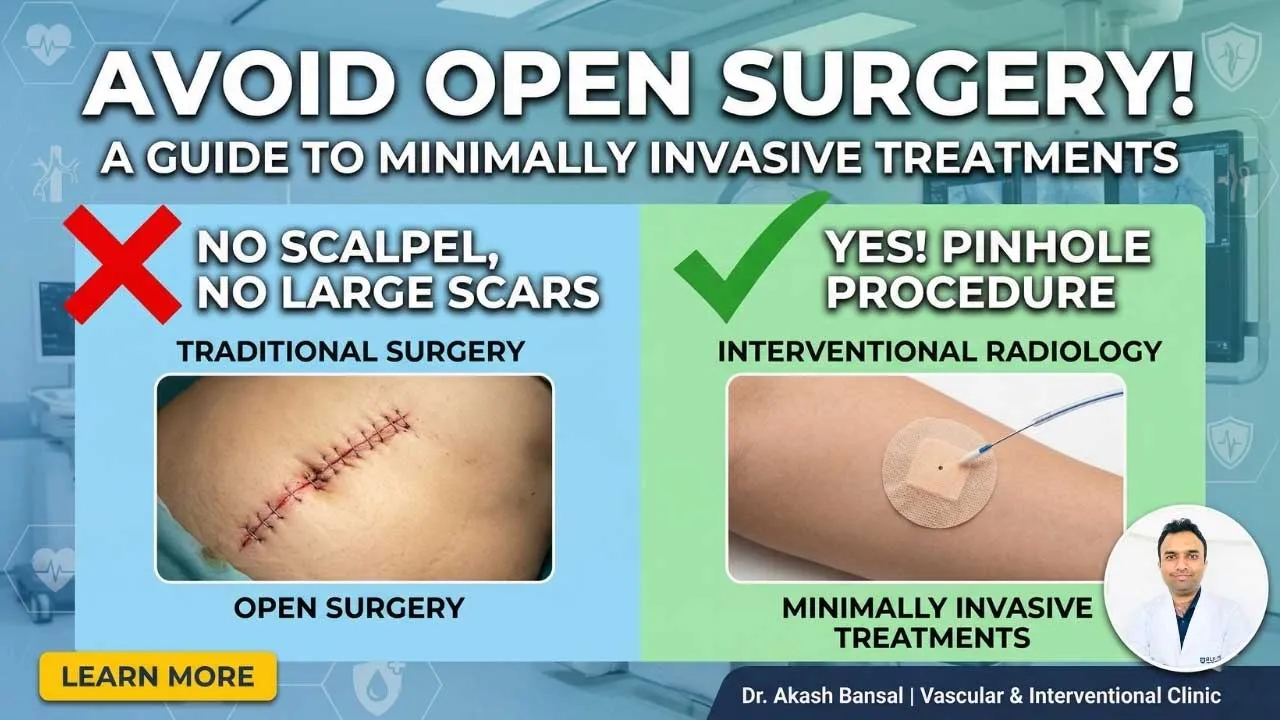
When stones of considerable size are present, or recurrent infections occur, kidney stone removal by surgical means becomes the only alternative left. Lithotripsy, ureteroscopy, and minimally invasive surgery, among others, are some of the common medical procedures that may be done. These methods, when done by skilled professionals, are safe as well as effective.
Kidney Stone Treatment at Home
At the initial stage or during a mild attack, kidney stone treatment using home remedies can be an effective means of recovery. The key to flushing out the stones through the urinary tract is drinking a lot of water. Eating healthy and moderate consumption of salt combined with the intake of citrus fruits can help deteriorate the growth of stones. However, the conditions for home care must always be discussed with a healthcare provider so as not to complicate the situation.
Some patients explore kidney stone treatment at home alongside medical care, especially when stones are small and symptoms are manageable. Regular follow-ups are important to ensure the stone has passed completely.
Natural Approaches and Prevention
To avoid recurrence, a lot of people wish to find a natural solution for their kidney stones. It is believed that kidney health can be supported by natural methods like drinking enough fluids, eating foods rich in potassium, and cutting down on foods high in oxalate. A natural cure for kidney stones, however, should not take the place of medical evaluation if the condition is severe.
Changing your lifestyle can significantly help you in preventing kidney stones in the long run. Besides weight management, dietary advice, and treating underlying conditions, a patient-to-stone ratio of 1 : 1 can also be achieved by healthy weight loss. A judicious combination of both medical and natural treatment is the most effective approach, usually.
When to Seek Medical Help
If the pain is intolerable, fever is present, or urine output has become less than normal, then medical help must be sought immediately. Not seeking medical help can lead to the occurrence of an infection or death of the kidney. Stone removal would, in this scenario, be very swift in order to ensure the patient’s safety and avoid any complications.
Conclusion
Kidney stones can be very painful and by being treated late they can advance through different stages. If the right kidney stone treatment is chosen along with the early identification of symptoms, it will help in preventing complications and maintaining kidney health. Any stone that is small may be managed with medical care or by home treatment of kidney stones, while larger stones often require quick removal of kidney stones. Good treatment along with lifestyle changes are the key factors in long-term no-stone prevention.
At Chauhan Hospital, patients receive expert care for kidney stones using advanced diagnostic and treatment facilities. The hospital offers personalized treatment plans based on the stage and severity of the condition. With experienced specialists and modern techniques, Chauhan Hospital ensures safe, effective, and timely kidney stone management. Early consultation helps patients recover faster and avoid future complications.





























Sign in to leave a comment.