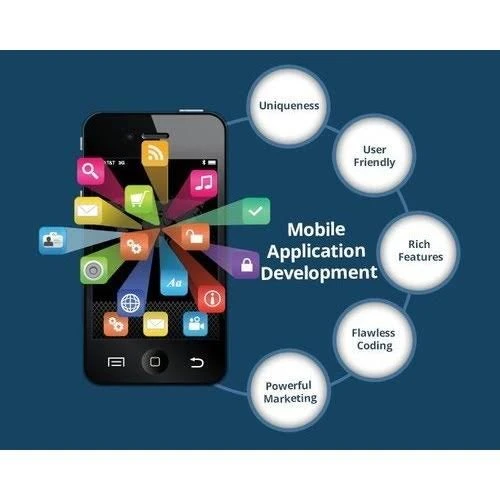

Enterprise mobile app development company have a process to design and develop quality apps. However, if you are going to hire freelancers or form a new team, you must enter the stages you want your project to follow.
We have created a typical enterprise mobile app development process that you can use as a reference. These are the six stages of the development process, leveraging the expertise of mobile application development services:
Step 1: Choose a Platform
Before you start looking for a software development company, decide which platform you want to develop the application for.
Choosing a platform is an important choice since it dictates the kind of mobile app development service you should choose. You can choose cross-platform mobile applications. Consider iOS and Android in your choice if you want to implement a BYOB (bring your own mobile) policy because these are the most popular mobile platforms today.
Step 2: Write your business objectives
Now that you have your platform covered, it's time to create an enterprise software development plan. You can accomplish this by responding to these questions:
Who will use the application?
What problems should the application solve?
What features should the application have?
How will users interact with the app?
Don't forget to think about the considerations we mentioned above. These should also be included in the plan.
Step 3: Perform application design and wireframing
Mobile app design is an important part of creating an engaging business app. This is a blueprint that determines how users interact with the application and its functions, so it is advisable to work with an expert design team.
Designers generate visual elements and user interfaces adapted to the brand. It is also important to create prototypes and wireframes for a more organized development process.
Step 4: Development and Testing
Once the design phase is complete, it's time to start programming. Developers can start working on the back-end and front-end coding of the application. This involves creating databases, developing features, and creating the user interface of the application.
Depending on the requirements of their application, software developers can use different programming languages, such as JavaScript or Java. Code should be tested and optimized over time to ensure the best possible performance.
Once the coding is done, it's time to test the app. Testing involves running the app on an emulator or a real device and finding errors. QA teams can also conduct usability testing with their employees to ensure they have a great experience.
Step 5: Launch your enterprise mobile app
That's it. Your business mobile app is ready to be launched. Before you launch your app, you should create a launch plan that includes steps to distribute the app and train your employees to use it.
Step 6: Ongoing Support and Maintenance
Creating a business mobile application doesn't stop after its launch. After launch, you'll need to provide ongoing support and maintenance to keep it up to date with the latest technologies and trends.
A reputable mobile app development company usually offers a guarantee for their services, so be sure to ask about it before starting the project.


























Sign in to leave a comment.