
Aerospace organizations face constant pressure to deliver safer, lighter, and more intelligent systems while meeting strict certification requirements and reducing development timelines. Software engineering solutions help achieve these objectives by integrating engineering workflows, digital tools, simulation technologies, and lifecycle management into a unified ecosystem. When combined with robust product development strategies, organizations can improve design quality, accelerate validation, and reduce operational risk across complex aerospace programs.
Why Software Engineering Solutions Are Critical for Aerospace
Custom software engineering solutions provide far more than application development. They establish a structured engineering ecosystem where design, manufacturing, testing, quality, and lifecycle management operate as connected processes rather than isolated functions.
For aerospace manufacturers, this integration supports:
- Faster engineering collaboration
- Improved configuration management
- Better product traceability
- Earlier defect identification
- Reduced engineering rework
- More predictable program execution
Instead of relying on disconnected software tools, organizations gain a centralized engineering environment capable of managing increasingly complex aircraft and defense programs.
Understanding the Aerospace Engineering Workflow
Optimizing aerospace systems begins with understanding how engineering data moves across the organization.
A typical workflow includes:
Requirements Engineering
Customer requirements, regulatory constraints, and system specifications are captured and managed before design activities begin.
Mechanical and Electrical Design
Engineering teams develop digital models, assemblies, wiring systems, and software architecture simultaneously.
Simulation and Validation
Digital validation reduces physical prototyping through:
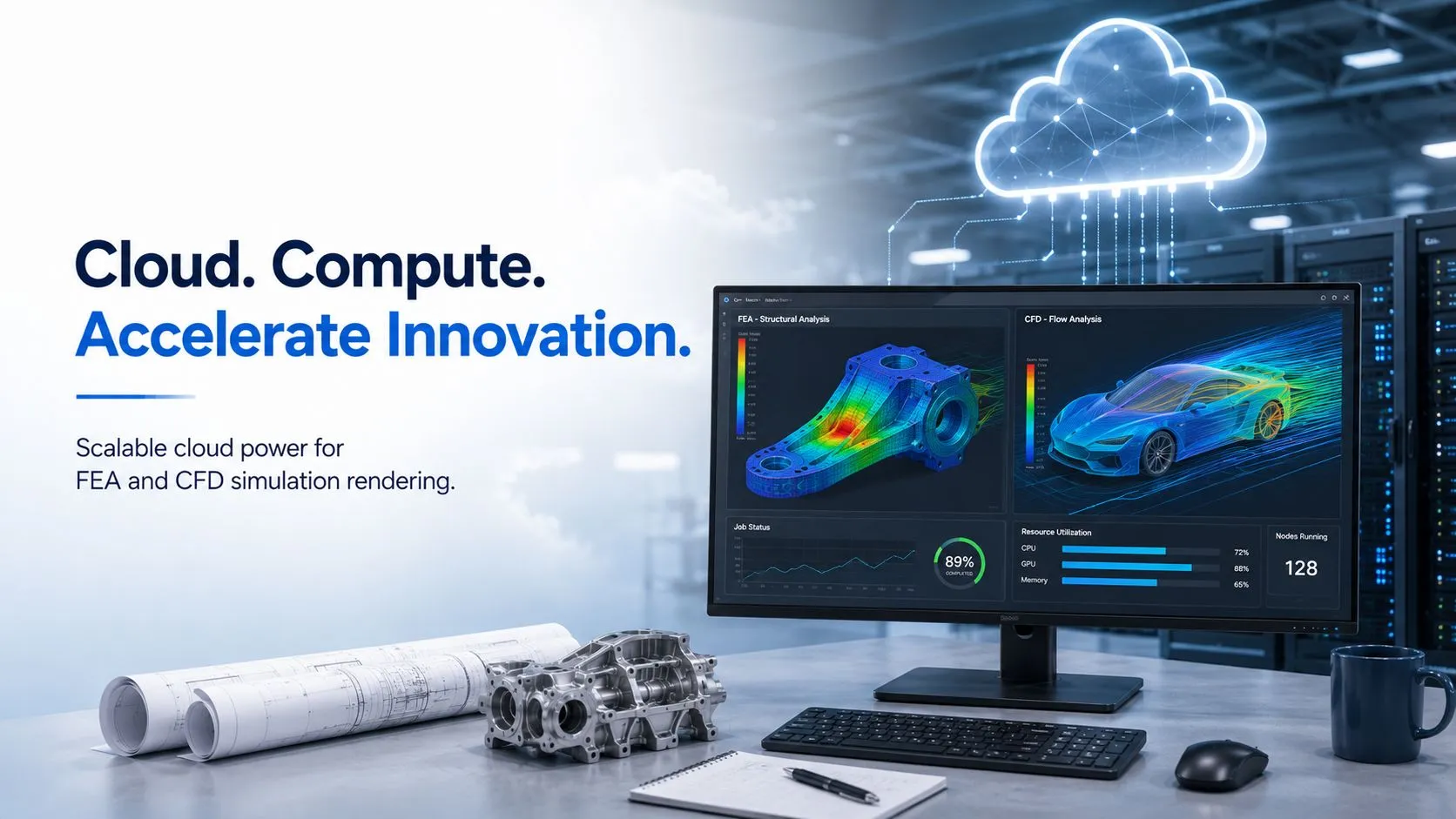
- CFD simulation services for airflow and thermal performance
- FEA simulation services for structural analysis
- Multidisciplinary optimization
Manufacturing Planning
Engineering data transitions into manufacturing with consistent product definitions and controlled revisions.
Lifecycle Management
Products continue evolving through maintenance, upgrades, configuration control, and service documentation.
How Software Engineering Solutions Improve Aerospace Performance
The greatest advantage comes from connecting engineering disciplines into a unified digital environment.
Better Collaboration Across Engineering Teams
Software, electrical, mechanical, manufacturing, and systems engineering teams often work across multiple locations.
Integrated engineering platforms allow every stakeholder to access the latest product information while maintaining revision control.
This minimizes communication delays and conflicting engineering changes.
Improved Product Traceability
Traceability becomes increasingly important as aerospace products grow more sophisticated.
Custom software engineering environments establish links between:
- Requirements
- Design models
- Source code
- Test results
- Verification activities
- Change requests
Complete traceability simplifies engineering reviews and long-term product maintenance.
Faster Engineering Decisions
When engineering information resides in disconnected spreadsheets and legacy applications, teams spend significant time locating data.
Connected engineering platforms provide real-time visibility into project status, enabling faster and more informed decisions.
Combining Software Engineering Solutions with Digital Engineering Technologies
The greatest business value often comes from integrating complementary engineering capabilities.
Product Development Solutions
Product development solutions coordinate concept development, engineering design, manufacturing planning, validation, and product lifecycle activities.
Rather than optimizing individual departments, organizations optimize the entire product lifecycle.
PLM Implementation Services
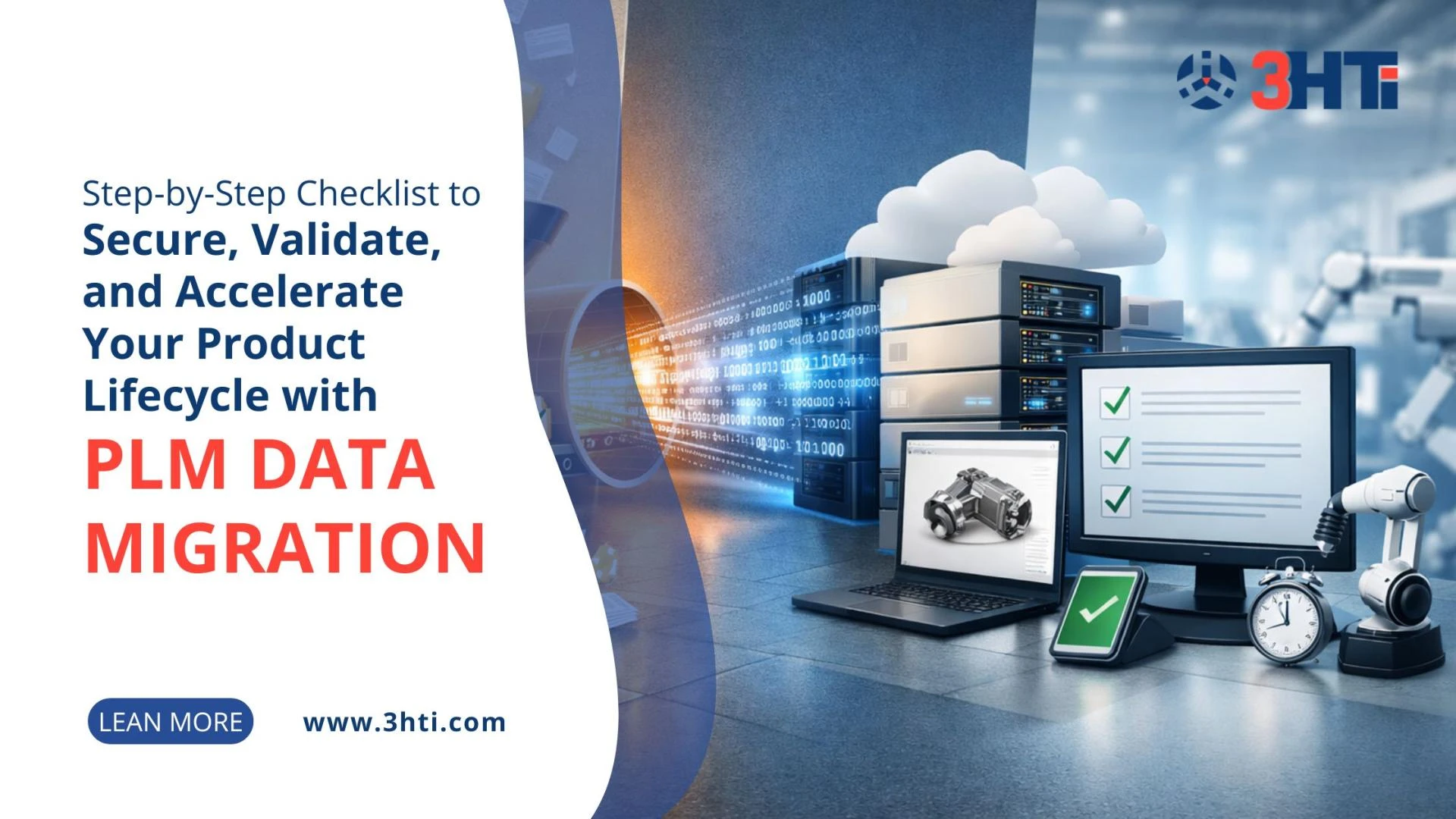
PLM implementation services establish centralized management of engineering data, revisions, documentation, and collaboration.
A properly implemented Product Lifecycle Management (PLM) system becomes the single source of truth for engineering organizations.
CFD Simulation Services
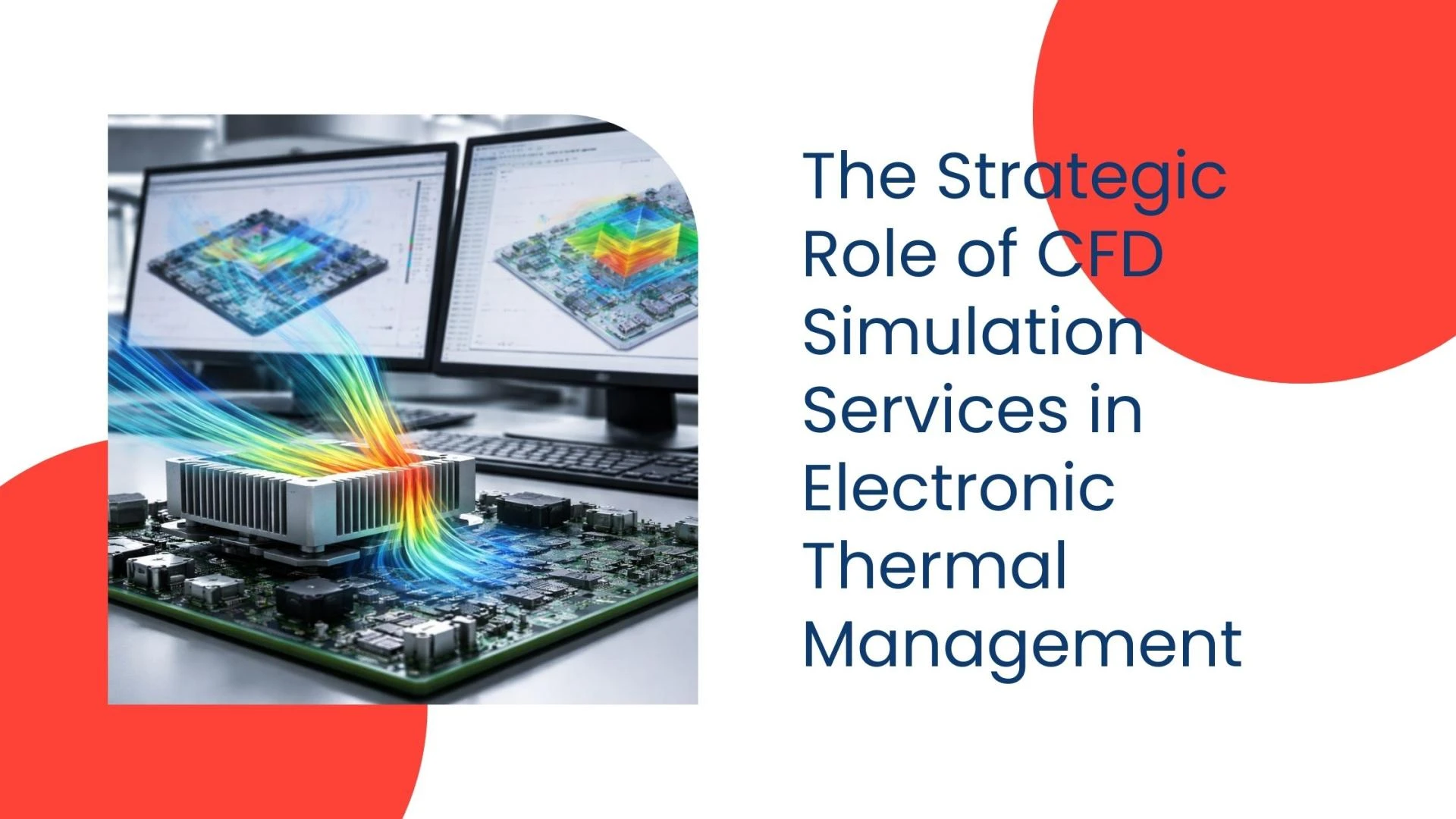
Before manufacturing begins, CFD simulation services evaluate:
- Aerodynamics
- Thermal management
- Cooling efficiency
- Pressure distribution
- Fluid behavior
This reduces costly design iterations later in development.
FEA Simulation Services
FEA simulation services assess:
- Structural integrity
- Fatigue performance
- Stress concentrations
- Material deformation
- Vibration characteristics
Virtual validation allows engineering teams to identify potential issues before physical testing.
Implementation Framework for Aerospace Organizations
Successful implementation follows a structured approach rather than deploying new software all at once.
Step 1: Assess Current Engineering Processes
Document existing workflows, engineering tools, integration gaps, and collaboration challenges.
Step 2: Define Business Objectives
Focus on measurable outcomes such as:
- Reduced engineering cycle time
- Better design quality
- Improved traceability
- Lower operational costs
Step 3: Build an Integrated Architecture
Connect:
- CAD
- Product Lifecycle Management
- Requirements Management
- Simulation
- ERP
- Manufacturing Execution Systems
Step 4: Standardize Engineering Data
Common naming conventions, version control, and governance improve long-term scalability.
Step 5: Train Engineering Teams
Technology adoption depends as much on user acceptance as technical deployment.
Organizations that invest in structured training generally achieve stronger long-term adoption.
Common Challenges During Implementation
Many software engineering initiatives struggle because organizations focus exclusively on technology.
Common obstacles include:
- Poor process standardization
- Inconsistent engineering data
- Limited stakeholder engagement
- Legacy system dependencies
- Weak governance
- Insufficient training
Experienced engineering leaders address organizational readiness alongside technical implementation.
Comparing Traditional Engineering vs Integrated Software Engineering Solutions
Traditional engineering environments often rely on disconnected software applications that create duplicate data, manual handoffs, and inconsistent documentation. These limitations slow collaboration and increase the likelihood of errors.
Integrated software engineering solutions centralize engineering information, automate workflows, and connect design, simulation, manufacturing, and lifecycle management. This approach improves visibility, accelerates decision-making, and supports long-term scalability for complex aerospace programs.
Organizations with mature digital engineering capabilities are also better positioned to adapt to evolving customer requirements and future technology adoption.
Expert Recommendations
Organizations seeking long-term optimization should prioritize:
- Standardized engineering processes before automation
- Integrated product lifecycle management
- Early simulation-driven design validation
- Strong engineering governance
- Cross-functional collaboration
- Continuous improvement using engineering metrics
One common lesson from large aerospace programs is that sustainable improvements come from aligning people, processes, and technology rather than deploying new software alone.
Organizations evaluating engineering modernization initiatives often review integrated digital engineering capabilities available through providers offering comprehensive software engineering solutions and lifecycle expertise.
Conclusion
Modern aerospace systems demand engineering environments that can manage growing product complexity while supporting speed, quality, and regulatory expectations. Custom software engineering solutions provide the framework for connecting engineering disciplines, improving collaboration, and reducing lifecycle risk.
Frequently Asked Questions
1. What are software engineering solutions in aerospace?
Software engineering solutions are integrated technologies and engineering practices that support software development, systems integration, simulation, lifecycle management, and collaboration throughout aerospace product development.
2. Why are PLM implementation services important for aerospace?
PLM implementation services centralize engineering data, improve configuration management, maintain revision control, and enable collaboration across multidisciplinary engineering teams throughout the product lifecycle.
3. How do CFD simulation services improve aerospace design?
CFD simulation services evaluate airflow, thermal behavior, pressure distribution, and cooling performance, allowing engineers to optimize designs before building physical prototypes.
4. What role do FEA simulation services play in aerospace engineering?
FEA simulation services predict structural performance, stress distribution, vibration, and material behavior, helping engineers identify potential failures early in product development.
5. Can software engineering solutions reduce engineering costs?
Yes. Better collaboration, fewer design revisions, automated workflows, and earlier defect detection help reduce development costs and shorten engineering timelines.
6. How do product development solutions support digital transformation?
Product development solutions integrate engineering, manufacturing, quality, and lifecycle management processes, creating a connected digital environment that improves operational efficiency and decision-making.
7. What industries benefit most from software engineering solutions?
Industries with complex engineering products including Aerospace & Defense, Automotive, Medical Devices, Life Sciences, and Industrial Manufacturing benefit significantly from integrated engineering environments.



























Sign in to leave a comment.