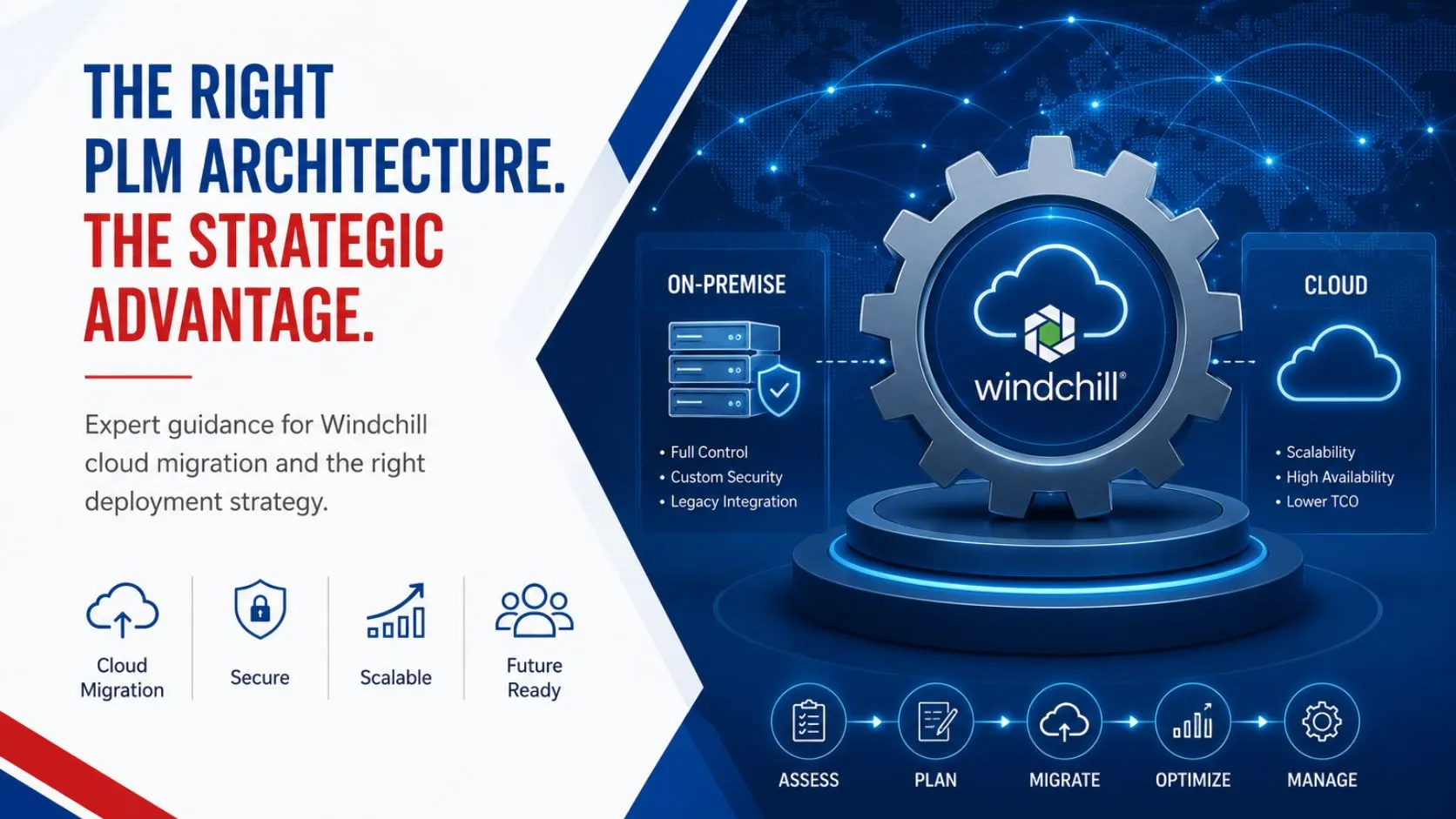

For engineering-driven manufacturers, Product Lifecycle Management (PLM) is no longer just a repository for CAD files; it has become the digital backbone that connects engineering, manufacturing, quality, supply chain, and service operations. As organizations modernize their technology stacks, one strategic decision consistently emerges: should Windchill remain on-premise or move to the cloud?
There is no universal answer. The right architecture depends on business objectives, regulatory requirements, operational maturity, and long-term digital transformation goals.
This is where experienced cloud migration service providers play a critical role. Rather than simply relocating infrastructure, they help manufacturers evaluate technical dependencies, optimize system architecture, minimize business disruption, and create migration strategies that support future growth.
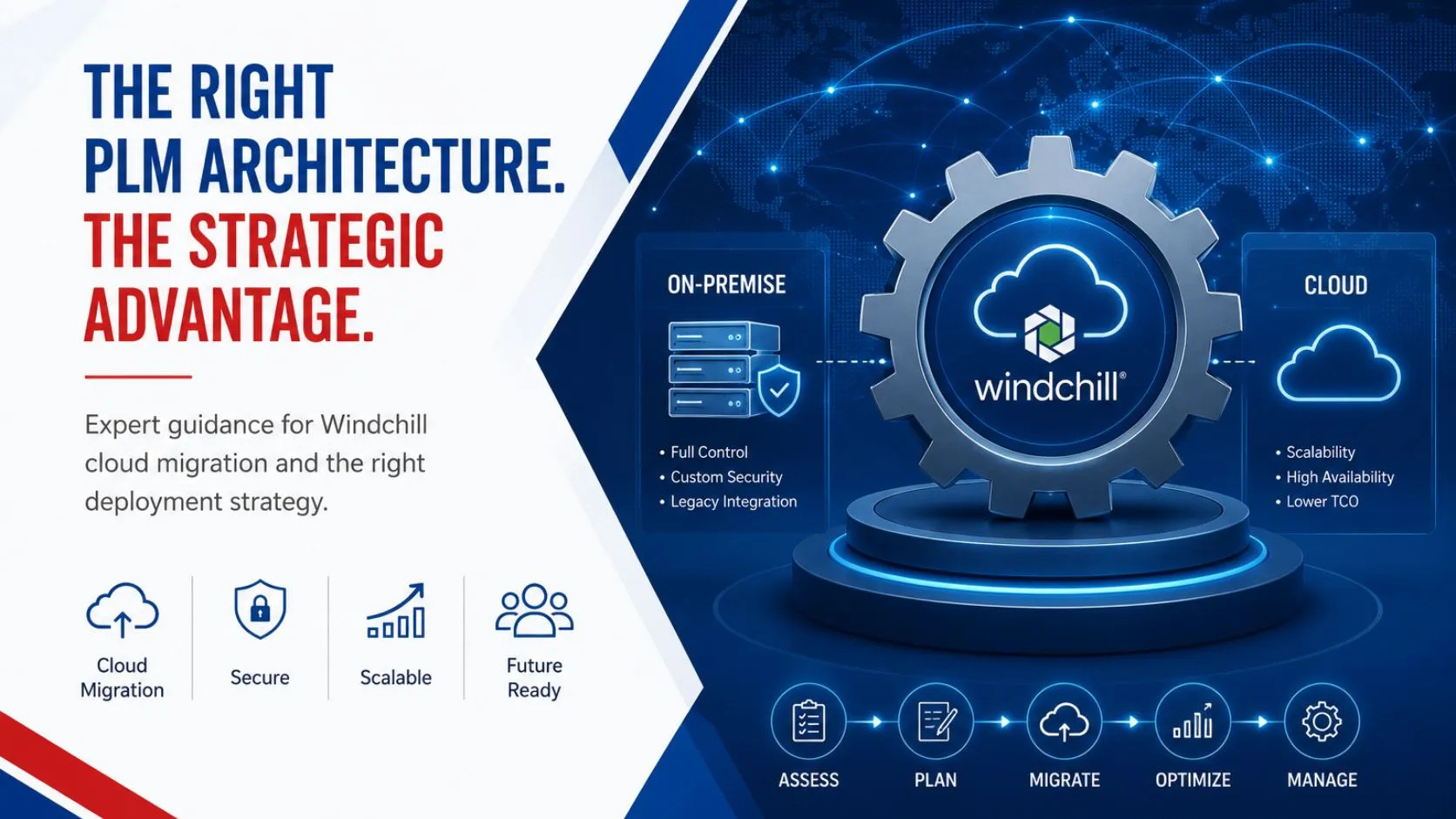
Why Windchill Architecture Matters More Than Ever
Short answer: PLM architecture directly influences scalability, collaboration, security, and operational efficiency.
Modern manufacturers manage increasingly complex products involving mechanical, electrical, software, and systems engineering disciplines. At the same time, globally distributed teams require secure, real-time access to product data.
A well-designed PLM architecture supports:
- Faster engineering collaboration
- Improved configuration management
- Better product traceability
- Enhanced disaster recovery
- Greater operational resilience
- Simplified system maintenance
Poor architectural decisions, however, can result in performance bottlenecks, higher operating costs, and limited flexibility as business needs evolve.
How Cloud Migration Service Providers Guide PLM Modernization
Short answer: They align technology decisions with business objectives rather than infrastructure preferences.
Leading cloud migration service providers begin by assessing an organization's current PLM environment instead of assuming cloud adoption is always the best option.
A structured assessment typically evaluates:
- Existing Windchill architecture
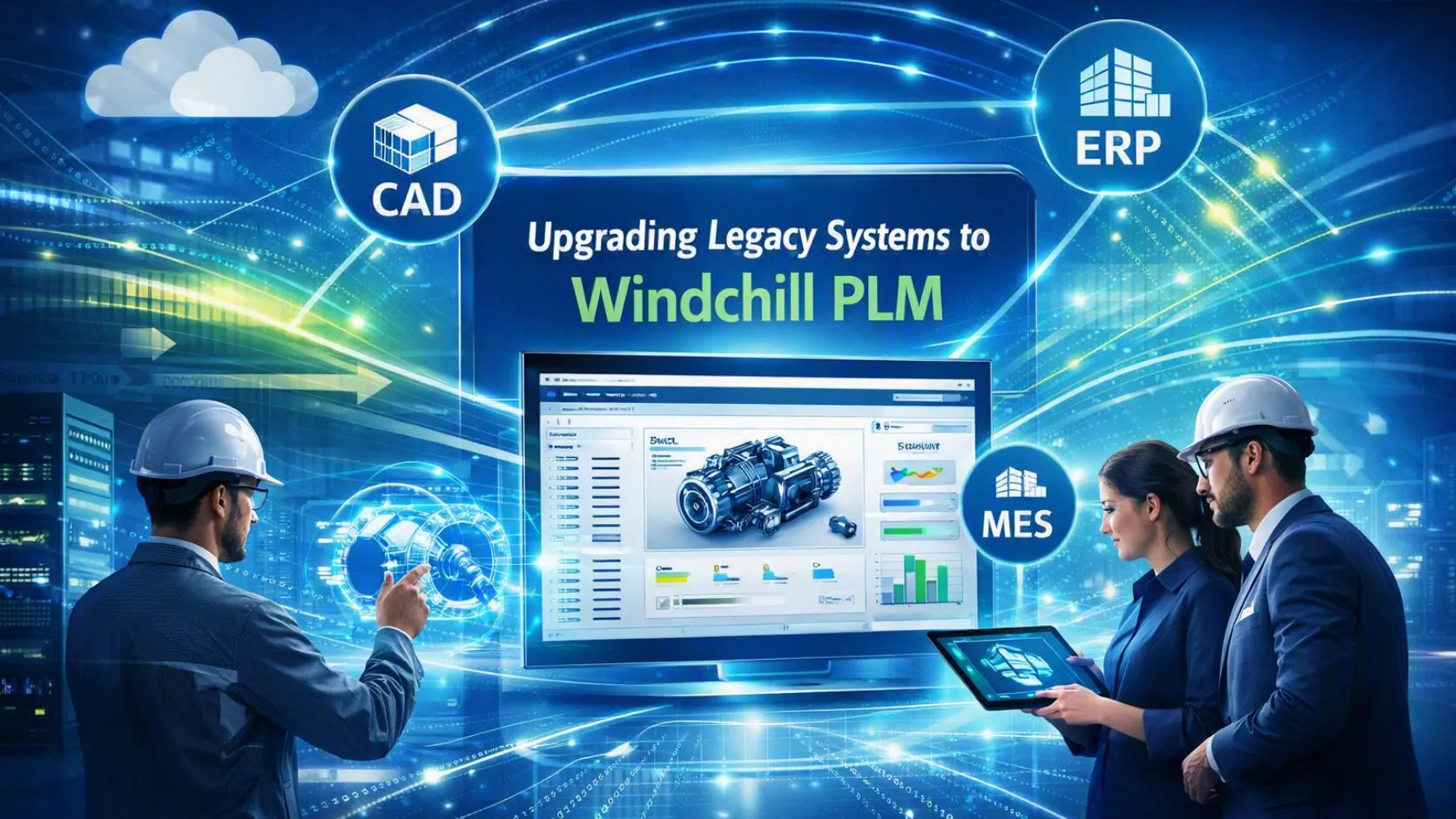
- CAD integrations
- ERP connectivity
- Network performance
- Security requirements
- Regulatory obligations
- Customizations
- Infrastructure lifecycle
- Business continuity needs
The outcome is a migration roadmap based on measurable operational goals rather than technology trends.
On-Premise Windchill: Strengths and Considerations
Short answer: On-premise deployments offer greater infrastructure control but require higher operational management.
Many aerospace, defense, and regulated manufacturers continue operating Windchill within their own data centers.
Advantages include:
- Direct infrastructure control
- Custom security configurations
- Flexible integration with legacy systems
- Internal governance over upgrades
- Support for specialized operational requirements
However, organizations are also responsible for:
- Hardware refresh cycles
- System monitoring
- Backup management
- Disaster recovery planning
- Capacity expansion
- Security patching
- Performance optimization
These ongoing responsibilities often require significant IT resources.
Cloud-Based Windchill: Benefits Beyond Infrastructure
Short answer: Cloud deployment enables greater scalability, agility, and operational flexibility.
Cloud-hosted PLM environments increasingly appeal to manufacturers seeking faster innovation and lower infrastructure management overhead.
Potential benefits include:
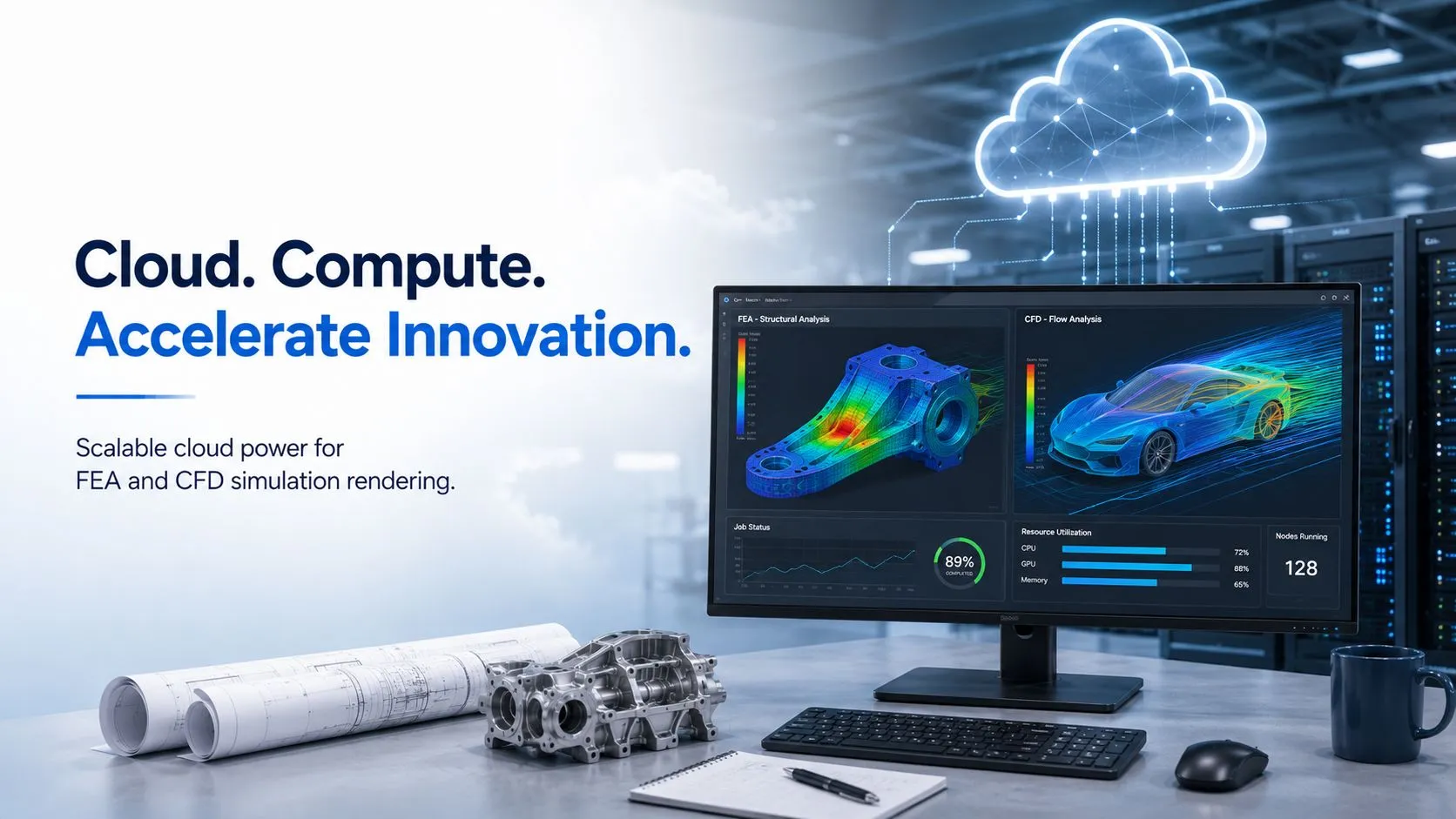
- Elastic infrastructure scaling
- Improved remote collaboration
- Faster deployment of new environments
- Simplified disaster recovery
- Reduced hardware maintenance
- Higher system availability
- Better support for global engineering teams
Rather than managing physical infrastructure, organizations can focus more on engineering productivity and business innovation.
The Role of Cloud Managed Services
Short answer: Migration is only the beginning; long-term operational support determines sustained success.
Many organizations underestimate the operational effort required after cloud migration.
This is where cloud managed services become valuable.
Managed service teams typically assist with:
- Infrastructure monitoring
- Performance optimization
- Security management
- Backup validation
- Capacity planning
- Software updates
- Incident response
- Cost optimization
Continuous operational support allows engineering organizations to maximize platform performance without expanding internal infrastructure teams.
Choosing the Right Migration Strategy
Short answer: Migration should follow business priorities not technology preferences.
Organizations generally pursue one of several approaches.
Lift-and-Shift Migration
This strategy moves the existing Windchill environment to cloud infrastructure with minimal architectural changes.
Best suited for:
- Organizations seeking rapid migration
- Stable existing environments
- Limited application redesign
Hybrid Architecture
Many manufacturers maintain critical systems on-premise while migrating selected workloads to the cloud.
This approach often supports:
- Regulatory compliance
- Legacy system integration
- Gradual modernization
- Reduced migration risk
Cloud-Optimized Transformation
Rather than simply relocating applications, organizations redesign architecture to leverage cloud-native capabilities.
Potential improvements include:
- Automated scalability
- Enhanced resilience
- Modern security controls
- Simplified operations
Although more complex initially, this approach often provides greater long-term flexibility.
Why PLM Implementation Services Matter During Migration
Short answer: Technical migration alone does not guarantee operational success.
Successful cloud adoption requires more than infrastructure expertise.
Comprehensive PLM implementation services typically include:
- Architecture design
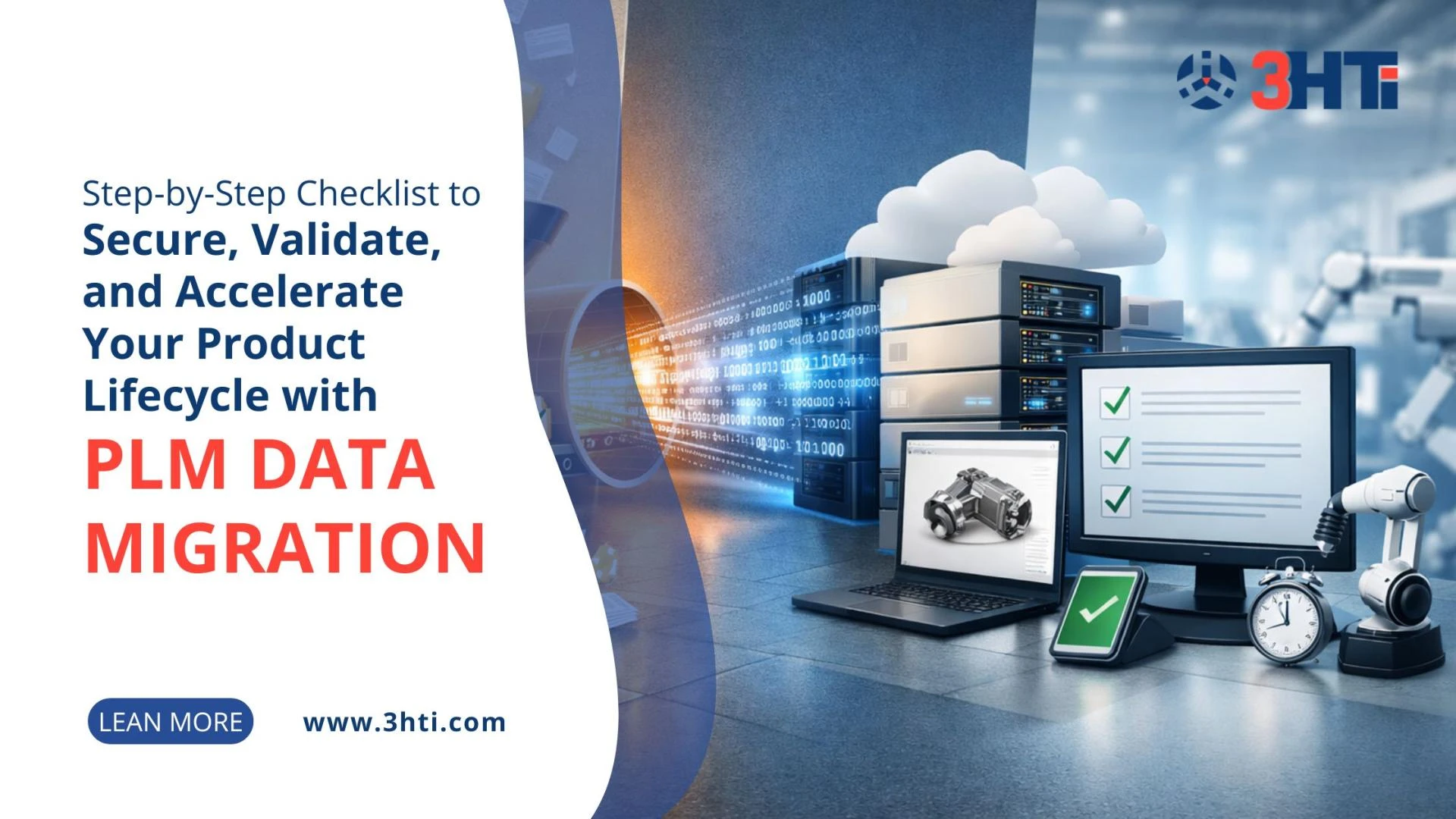
- Data migration planning
- Workflow optimization
- Integration management
- User adoption strategies
- Governance planning
- Performance validation
These activities help ensure the migrated environment supports both current operations and future business growth.
For example, an automotive manufacturer moving to a cloud-based Windchill environment may simultaneously redesign engineering change workflows, improve CAD integrations, and standardize product data governance rather than migrating existing inefficiencies unchanged.
Common Migration Pitfalls
Even well-planned projects encounter recurring challenges.
Treating Migration as an IT Project
Cloud migration affects engineering, manufacturing, quality, procurement, and product development teams. Cross-functional planning is essential.
Underestimating Customizations
Legacy Windchill environments often include years of custom configurations that require careful evaluation before migration.
Ignoring Performance Testing
System validation should include:
- CAD performance
- Large assembly handling
- Network latency
- Integration testing
- User acceptance
Testing under realistic workloads reduces post-migration disruptions.
Delaying User Preparation
Technology adoption improves when users receive training on updated workflows, governance standards, and operational changes before deployment.
Industry Perspective: Cloud Migration as a Business Transformation Initiative
Manufacturers increasingly recognize that PLM modernization extends beyond infrastructure decisions. Cloud adoption is becoming part of broader digital engineering strategies focused on connected product data, global collaboration, cybersecurity, and operational agility.
Organizations specializing in engineering-focused cloud transformations, such as 3HTi through its cloud services, reflect this industry direction by combining migration planning with architecture optimization, managed operations, and PLM modernization. This integrated approach helps organizations align technology investments with long-term engineering and business objectives rather than viewing cloud migration as a standalone infrastructure project.
Conclusion
Choosing between on-premise and cloud-based Windchill architecture is a strategic business decision that extends far beyond technology. The right deployment model depends on operational requirements, regulatory obligations, infrastructure maturity, and long-term digital transformation goals.
Experienced cloud migration service providers help manufacturers navigate these decisions by evaluating existing environments, reducing migration risks, and creating practical modernization roadmaps. Combined with comprehensive PLM implementation services and ongoing cloud managed services, organizations can build scalable PLM environments that support innovation, improve collaboration, and strengthen operational resilience.
Ultimately, the most successful Windchill migrations are those that modernize not only infrastructure but also the processes and governance that enable engineering teams to deliver products more efficiently and confidently.
FAQs
1. What do cloud migration service providers do for PLM environments?
Cloud migration service providers assess existing PLM infrastructure, develop migration strategies, move applications securely, validate system performance, manage risks, and help organizations optimize cloud environments for long-term operational success.
2. Is cloud-based Windchill suitable for regulated industries?
Yes. Many regulated manufacturers successfully deploy Windchill in cloud environments, provided the architecture meets industry-specific security, compliance, data governance, and regulatory requirements.
3. What are cloud managed services?
Cloud managed services provide ongoing operational support, including infrastructure monitoring, security management, performance optimization, backups, software updates, capacity planning, and incident response after cloud deployment.
4. What is the difference between lift-and-shift and cloud-native migration?
Lift-and-shift moves existing applications with minimal architectural changes, while cloud-native migration redesigns applications and infrastructure to take full advantage of cloud scalability, automation, and resilience.
5. Why are PLM implementation services important during migration?
PLM implementation services ensure system architecture, workflows, integrations, governance, and user adoption are optimized alongside technical migration, helping organizations achieve stronger business outcomes.
6. What are the biggest risks during Windchill cloud migration?
Common risks include inadequate planning, overlooked customizations, poor data migration quality, insufficient testing, weak change management, and limited stakeholder involvement throughout the project lifecycle.
7. How should manufacturers decide between on-premise and cloud deployment?
Organizations should evaluate regulatory requirements, security needs, infrastructure costs, scalability objectives, collaboration requirements, integration complexity, and long-term business strategy before selecting the most appropriate deployment model.



























Sign in to leave a comment.