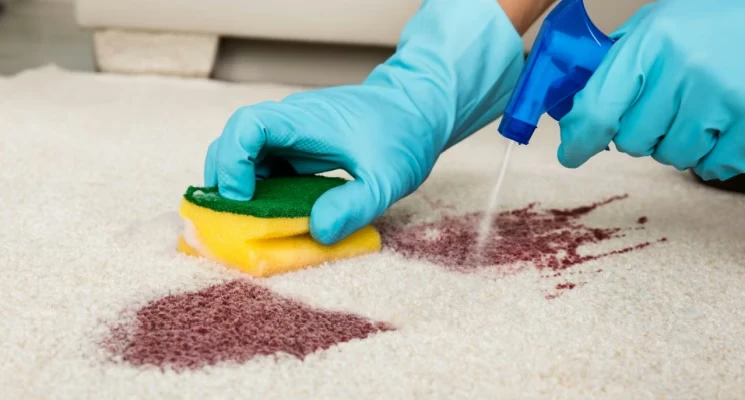

Living in Dubai comes with a fast-paced lifestyle, extreme temperatures, and frequent social gatherings. From coffee spills during busy mornings to food stains after family dinners, stains are a common problem in many households. Because fabrics react differently to heat, humidity, and water quality, stain removal in Dubai needs a thoughtful approach. Understanding how to treat stains correctly can help you protect your clothes and extend their life.
Many residents rely on practical home methods before seeking professional help, and even Laundry experts in Dubai often recommend simple steps that prevent stains from setting in permanently. Acting quickly and using the right technique makes a noticeable difference. This guide explains ten effective stain removal tips that every Dubai resident should know, using easy language and everyday solutions.
Understanding Stains Before Treating Them
Not all stains behave the same way. Oil-based stains, water-based spills, and protein stains each require a different method. Heat, which is common in Dubai, can make stains harder to remove if treated incorrectly. For example, using hot water on a protein stain can cause it to set deep into the fabric. Knowing the nature of a stain before treating it helps avoid permanent damage.
Fabric type also matters. Cotton, linen, silk, and synthetic materials respond differently to cleaning agents. Checking care labels before applying any treatment is always a wise step.

Act Quickly to Prevent Permanent Marks
Time plays a crucial role in stain removal. Fresh stains are much easier to treat than old ones. As soon as a spill happens, gently blot the area with a clean cloth. Avoid rubbing because it pushes the stain deeper into the fibers.
In Dubai’s warm climate, stains dry faster. This makes quick action even more important. Keeping a clean cloth or paper towel nearby can help you respond immediately and limit damage.
Use Cold Water for Most Fresh Stains
Cold water is often the safest option when dealing with new stains. It helps lift the stain without causing it to bond with the fabric. This method works well for food spills, beverages, and dirt marks.
Rinsing the stained area from the back of the fabric allows the stain to move outward instead of settling deeper. Hot water should only be used when you are sure it will not fix the stain permanently.
Treat Oil and Grease Stains Carefully
Oil-based stains are common in kitchens and restaurants. Cooking oils, butter, and sauces can leave stubborn marks if not handled correctly. Absorbing the excess oil is the first step. Using a dry cloth or paper towel helps remove surface grease.
After that, a mild dishwashing liquid can break down oil particles. Gently apply it to the stained area and rinse with cold water. This method is simple yet effective for many grease stains.
Handle Coffee and Tea Stains the Right Way
Coffee and tea spills are part of daily life for many Dubai residents. These stains can become noticeable quickly, especially on light-colored fabrics. Blotting the stain immediately helps prevent discoloration.
A mixture of cold water and mild detergent usually works well. Allowing the solution to sit briefly before rinsing helps loosen the stain. Avoid drying the fabric until the stain is completely gone, as heat can lock it in.
Remove Sweat Stains Without Damaging Fabric
Sweat stains are common due to the hot climate. They often appear as yellow marks on light-colored clothing. These stains can also cause odor if not treated properly.
Using a gentle cleaning solution and cold water helps break down sweat residue. Letting the fabric soak for a short time before washing improves results. Regular care prevents sweat stains from becoming permanent.
Deal With Ink Stains With Patience
Ink stains can be stressful, especially on workwear or school uniforms. Acting calmly and carefully is important. Blotting the ink instead of rubbing helps avoid spreading it further.
Applying a suitable stain remover sparingly can lift the ink. Always test any solution on a small hidden area first to prevent color damage. Patience is key when handling ink stains.
Tackle Food Stains Before They Set
Food stains vary widely, from tomato sauces to chocolate. Each type behaves differently, but quick action remains the best solution. Scraping off excess food without pressing it into the fabric helps limit the stain.
Cold water rinsing followed by gentle washing usually works for most food stains. Avoid using heat until the stain is fully removed.
Be Careful With Delicate Fabrics
Silk, wool, and other delicate fabrics require extra care. Strong chemicals or aggressive rubbing can cause irreversible damage. When dealing with stains on delicate items, gentle handling is essential.
Sometimes, minimal treatment is better than repeated washing. If unsure, seeking advice from experienced professionals may help preserve the fabric.
Avoid Overusing Cleaning Products
Using too much detergent or stain remover does not improve results. In fact, it can leave residue that attracts more dirt over time. Following recommended amounts ensures effective cleaning without harming clothes.
Simple solutions and controlled application often work better than harsh treatments. This approach also helps maintain fabric quality in the long run.
Know When Professional Help Is Needed
Some stains are difficult to remove at home, especially if they are old or involve sensitive materials. In such cases, professional cleaning services can offer safer and more effective solutions.
Understanding your limits saves time and prevents accidental fabric damage. Knowing when to stop home treatment is just as important as knowing how to start.
Final Thoughts on Stain Removal in Dubai
Stain removal does not have to be complicated. With the right knowledge and quick action, most stains can be handled effectively at home. Dubai’s climate makes proper stain care even more important, as heat can worsen untreated marks.
By following these practical tips and understanding how different stains behave, you can keep your clothes looking clean and fresh for longer. Small habits, when applied consistently, make a big difference in everyday laundry care.

























Sign in to leave a comment.