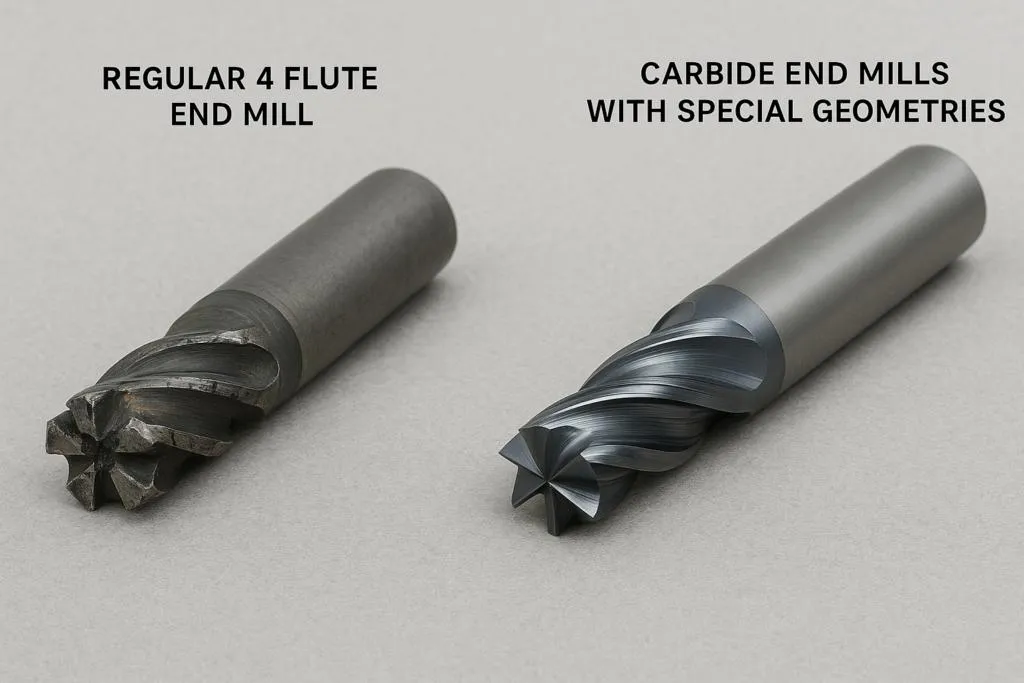

In CNC machining, selecting the right cutting tool directly impacts productivity, part quality, and manufacturing costs. While standard milling cutters are suitable for many general machining operations, they are not always the best choice for high-volume production, complex components, or challenging materials.
Many manufacturers initially choose standard tools because they are affordable and readily available. However, as production requirements increase, the limitations of conventional tooling become more noticeable. Longer cycle times, multiple tool changes, and repeated machining operations can significantly increase the cost per component.
This is where custom milling cutters become valuable. Designed specifically around a component, machine capability, and production goal, custom tools can combine operations, improve efficiency, and reduce overall manufacturing expenses.
Understanding the difference between standard and custom tooling helps CNC machine shop managers and procurement teams make better investment decisions.
Standard Milling Cutters: Advantages and Limitations
Standard milling cutters are commonly available tools manufactured in fixed sizes, geometries, and configurations. They are designed to perform general machining operations across a wide range of applications.
Examples include:
- End mills
- Face milling cutters
- T Slot cutters
- Ball nose cutters
- Corner radius cutters
- Roughing cutters
For many workshops, standard cutters provide an effective solution, especially when machining different components in small quantities.
Advantages of Standard Milling Cutters
Low Initial Cost
The biggest advantage of standard tooling is the lower purchase price. Since these cutters are manufactured in large quantities, production costs are reduced and the savings are passed to customers.
Standard cutters are ideal for:
- Prototype development
- Maintenance machining
- Small production runs
- General-purpose applications
For operations where machining requirements frequently change, investing in custom tooling may not provide enough benefit.
Easy Availability
Standard milling cutters are usually available from stock, allowing manufacturers to replace worn tools quickly without waiting for production.
This availability is especially useful when:
- A tool fails unexpectedly
- Urgent production is required
- Multiple machines use common tooling sizes
Flexible Application Range
Standard cutters can handle many machining operations across different industries. A single tool type may be suitable for various materials, component sizes, and machining conditions.
However, this flexibility also creates limitations because the tool is designed for general use rather than a specific application.
Limitations of Standard Milling Cutters
Although standard tools are convenient, they often require manufacturers to adjust their machining process around the tool.
Longer Machining Cycles
Standard cutters usually perform individual operations separately.
For example, manufacturing a component feature may require:
- Rough milling
- Slot machining
- Chamfering
- Finishing operation
Each step may require:
- Additional tool changes
- Extra positioning time
- More machine movements
- Increased setup complexity
In high-volume production, these additional seconds or minutes per component can create significant cost increases.
Compromised Cutting Geometry
Standard tools are manufactured for general applications, meaning their geometry may not be optimized for a specific component.
Possible limitations include:
- Incorrect flute configuration
- Less efficient chip evacuation
- Limited reach capability
- Reduced performance on specific materials
- Additional finishing requirements
For difficult machining applications, these compromises can affect productivity and tool life.
Higher Cost Per Component
Although standard cutters have a lower purchase price, the total machining cost may become higher because of:
- Longer cycle times
- More frequent tool changes
- Additional operations
- Lower material removal efficiency
This is why many production-focused manufacturers eventually evaluate custom tooling solutions.
The Case for Custom Milling Cutters
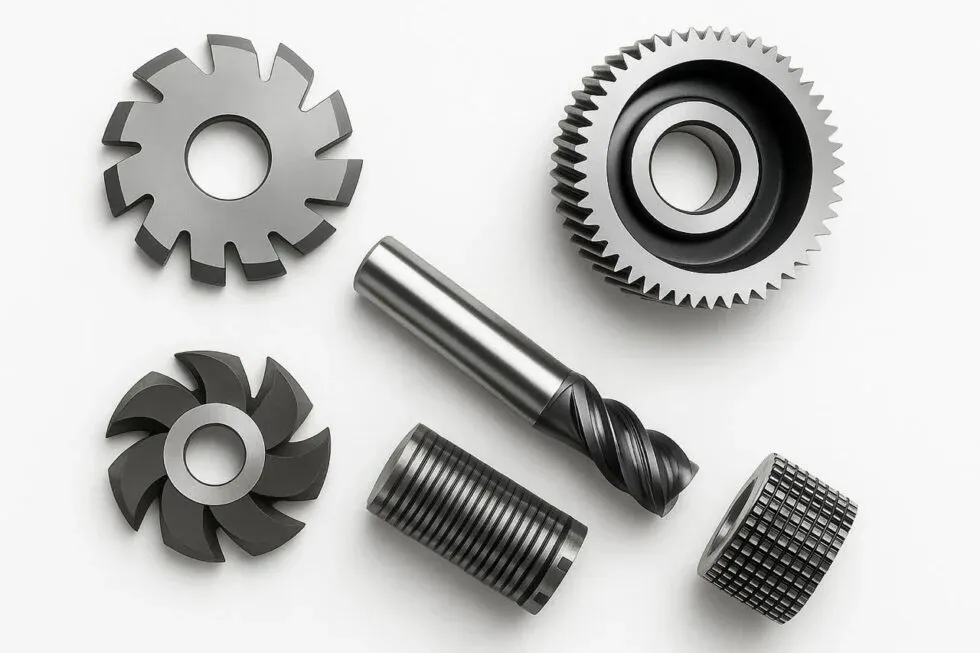
Custom milling cutters are designed specifically for a particular machining application. Instead of using a general-purpose tool, manufacturers can create a cutter based on the exact component geometry, material, machine capability, and production requirements.
The purpose of custom tooling is not simply to create a unique tool—it is to improve the entire machining process.
Combining Multiple Operations Into One Tool
One of the biggest benefits of custom milling cutters is the ability to combine several operations into a single cutting tool.
For example, a specially designed cutter can perform:
- Step drilling
- Counterboring
- Chamfering
- Profile milling
- Slot machining
in one machining cycle.
This reduces:
- Tool changes
- Machine idle time
- Setup requirements
- Operator involvement
For manufacturers producing thousands of identical components, these improvements can create substantial cost savings.
Improved Tool Geometry
Because custom tools are designed for a specific application, every feature can be optimized.
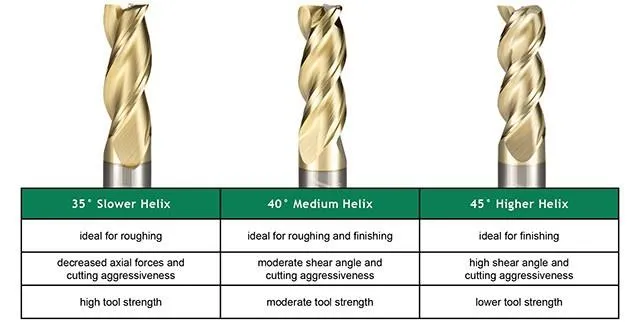
Engineers can customize:
- Number of cutting edges
- Helix angle
- Rake angle
- Clearance angle
- Cutting diameter
- Corner radius
- Overall tool length
This allows the cutter to perform more efficiently with the selected material and machining conditions.
For example, a tool designed specifically for aluminum machining may prioritize chip evacuation and high-speed cutting, while a tool for hardened steel may focus on wear resistance and edge strength.
When Do Custom Milling Cutters Provide the Best Return?
Custom tooling is not always necessary. The decision depends on production requirements and machining challenges.
A simple decision guide:
| Application Requirement | Recommended Choice |
|---|---|
| Prototype machining | Standard cutters |
| Low production volume | Standard cutters |
| Frequent part changes | Standard cutters |
| High-volume production | Custom milling cutters |
| Repeated identical components | Custom tooling |
| Complex component geometry | Custom tooling |
| Expensive machine downtime | Custom tooling |
| Difficult materials | Custom tooling |
Signs Your Shop Should Consider Custom Tooling
Manufacturers should evaluate custom solutions when they experience:
Excessive Cycle Time
If operators spend significant time changing tools or performing multiple machining steps, a custom cutter may combine operations and reduce production time.
High Tool Consumption
When standard cutters wear quickly due to unsuitable geometry, a custom-designed tool can improve cutting performance and increase tool life.
Difficult Material Machining
Materials such as hardened steels, titanium alloys, and aerospace-grade materials often require specialized cutting geometries.
Large Production Volumes
The higher the production quantity, the greater the potential savings from reducing cycle time and improving consistency.
Choosing the Right Tooling Partner
Selecting between standard and custom tooling requires more than comparing purchase prices. The correct decision depends on the complete manufacturing cost, including machining time, labor, tool changes, and production efficiency.
A reliable tooling supplier can analyze your application and recommend whether standard tooling is sufficient or whether custom milling cutters would provide measurable advantages.
Experienced manufacturers consider:
- Component design
- Workpiece material
- CNC machine capability
- Production quantity
- Required tolerances
- Target cycle time
This engineering approach ensures the tooling investment delivers real production benefits.
Conclusion: Making the Right Milling Cutter Investment
Standard milling cutters remain an excellent choice for general machining, prototypes, and low-volume production. Their low cost and availability make them practical for many applications.
However, when production demands increase, custom milling cutters can provide significant advantages by reducing cycle times, combining machining operations, improving tool performance, and lowering cost per component.
For CNC manufacturers focused on productivity and long-term efficiency, the right question is not simply "Which cutter costs less?" The better question is "Which cutter provides the lowest overall manufacturing cost?"
Partnering with an experienced cutting tool manufacturer can help identify the right solution for your application. Whether you need standard tooling or a fully engineered custom solution, selecting the correct milling cutter strategy can improve quality, reduce downtime, and maximize your machining investment.























Sign in to leave a comment.