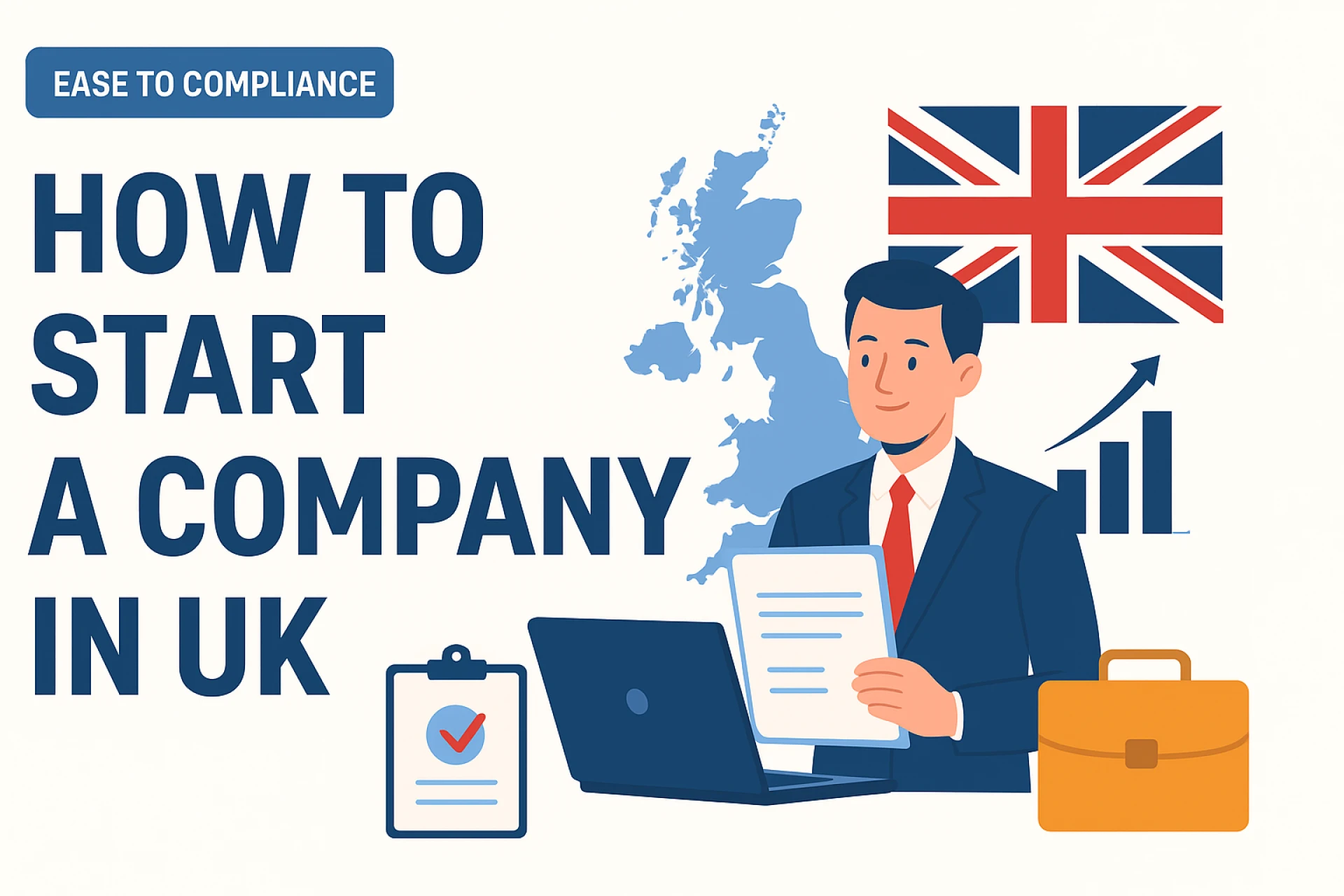

The United Kingdom is one of the most business-friendly destinations in the world. Its transparent legal system, strong global trade links, and ease of doing business make it an attractive hub for entrepreneurs. Whether you are a local founder or an international business owner looking to expand into Europe, starting a company in the UK is straightforward if you follow the right process.
For a detailed breakdown of requirements and procedures, you can read this comprehensive guide on How to Start a Company in UK.
Why the UK is Ideal for Business
- Quick Incorporation – A private limited company can be registered in just a few hours.
- Attractive Tax System – Competitive corporate tax rates and various incentives for startups.
- Global Reputation – The UK brand adds credibility to businesses trading internationally.
- Access to Talent – A skilled workforce across finance, technology, healthcare, and other industries.
Step-by-Step Process to Register a Company in the UK
1. Decide on the Business Structure
The most common structures include:
- Sole Trader – Simple setup but unlimited liability.
- Partnership / LLP – Shared ownership and responsibilities.
- Private Limited Company (Ltd) – Offers limited liability and credibility, ideal for most entrepreneurs.
2. Choose a Company Name
Your company name must be unique and not similar to existing businesses. It should also avoid restricted or sensitive words unless you have prior approval.
3. Prepare Essential Documents
Key documents include:
- Memorandum of Association – Confirms the intent to form the company.
- Articles of Association – Outlines company rules and governance.
4. Register with Companies House
File your application online with details such as directors, shareholders, company address, and business activities. Once approved, you will receive a Certificate of Incorporation.
5. Set Up a Registered Office
Every company must have a UK-based registered office address. This is where official notices and correspondence are sent.
6. Appoint Directors and Shareholders
- At least one director is mandatory.
- A company secretary is optional for private companies.
- Shareholders own the company, and in small setups, the director and shareholder may be the same person.
7. Register for Taxes
After incorporation, you must register with HMRC for corporation tax. If your turnover exceeds the VAT threshold (£85,000), VAT registration is also required.
Compliance After Incorporation
Starting a company is only the first step. Maintaining compliance ensures smooth business operations:
- Annual Accounts & Confirmation Statement – Must be filed each year with Companies House.
- Tax Filings – Corporation tax returns, VAT (if applicable), and PAYE for employees.
- Legal Requirements – Comply with employment law, data protection (GDPR), and other sector-specific regulations.
Tips for Smooth Business Setup
- Plan Your Structure Carefully – Choosing the right structure from the start saves future restructuring costs.
- Keep Records Organized – Accurate bookkeeping ensures hassle-free compliance and tax filings.
- Use Professional Support – Accountants or compliance advisors can help avoid costly mistakes.
- Think Long-Term – Consider growth, funding, and international expansion when setting up.
Conclusion
The UK offers one of the most straightforward and credible environments for setting up a business. By following the right steps—choosing the right structure, registering properly, and staying compliant—you can establish a strong foundation for long-term success.
👉 To dive deeper into the complete process, explore this full guide: How to Start a Company in UK.





























Sign in to leave a comment.