
As global markets continue to evolve, many businesses are looking beyond their home countries to find new growth opportunities. India has emerged as one of the most attractive destinations for international entrepreneurs due to its strong economic development, expanding consumer base, and supportive investment policies. For companies based in the UK and Europe, starting up a business in India can be a strategic step toward global expansion and long-term profitability.
India is currently one of the fastest-growing economies in the world. The country offers a dynamic business environment supported by digital transformation, a young workforce, and increasing foreign investment. However, entering a new international market requires proper planning, understanding of regulations, and the right market strategy.
This article explores the benefits, process, and key considerations for starting up a business in India for international entrepreneurs.

India’s Growing Appeal for Foreign Businesses
Over the past decade, India has become a major hub for global business activities. Many international companies have already established their presence in the country to benefit from its rapidly expanding economy.
One of the main reasons entrepreneurs consider starting up a business in India is the size of the market. With a population of more than 1.4 billion people and a growing middle-class population, India offers enormous demand for products and services across multiple sectors.
Another important factor is India’s startup ecosystem. Cities such as Bangalore, Mumbai, Delhi, and Hyderabad have developed strong business environments where startups, investors, and global corporations collaborate to drive innovation.
The government has also taken several steps to attract foreign investment by simplifying regulations and allowing higher levels of foreign ownership in many industries.
Key Benefits of Starting a Business in India
There are several advantages that make India a favorable destination for entrepreneurs from the UK and Europe.
Large Consumer Market
India’s diverse population creates opportunities for businesses in various sectors including technology, retail, manufacturing, healthcare, and consulting. Companies can target both urban and emerging markets within the country.
Skilled and Affordable Workforce
India has one of the largest pools of skilled professionals in the world. Engineers, IT specialists, finance professionals, and marketing experts are available at competitive costs compared to many European countries.
Rapid Digital Growth
India’s digital economy is expanding rapidly. The widespread use of smartphones, online payment systems, and digital services has opened new opportunities for international businesses, particularly in technology and e-commerce.
Government Support
Government initiatives aimed at improving the ease of doing business have made starting up a business in India simpler for international investors. Online registration systems and investment-friendly policies have streamlined many procedures.
Business Structures for Foreign Entrepreneurs
Choosing the correct legal structure is an essential step when starting up a business in India. Each structure has different regulatory and operational requirements.
Private Limited Company
This is the most common structure for foreign investors. It provides limited liability protection and allows multiple shareholders. Private limited companies also have greater credibility with investors and financial institutions.
Wholly Owned Subsidiary
A wholly owned subsidiary is an Indian company entirely owned by a foreign parent company. This option is ideal for UK and European companies that want complete control over their operations in India.
Limited Liability Partnership (LLP)
An LLP combines features of a partnership and a corporation. It offers flexibility in management while limiting the liability of partners. However, foreign investment regulations may vary depending on the industry.
Selecting the appropriate structure depends on the company’s business model, investment plans, and expansion strategy.
Steps Involved in Business Registration
The process of starting up a business in India generally involves several important steps. Although digital systems have simplified the process, it still requires proper documentation and regulatory approval.
The first step is selecting a unique business name and obtaining approval from the relevant authority. The company name must comply with legal guidelines and should not be similar to existing registered businesses.
Next, directors must obtain identification credentials required for electronic filings. These credentials allow them to digitally sign incorporation documents.
Once the documents are submitted to the Registrar of Companies and approved, the business receives a Certificate of Incorporation. This certificate confirms that the company has been legally established.
After incorporation, businesses must complete additional registrations such as tax identification numbers and other licenses depending on the nature of their activities.
Compliance Requirements for Foreign Companies
Maintaining compliance is a critical aspect of starting up a business in India. Companies must follow regulatory guidelines and submit regular reports to government authorities.
Businesses are required to maintain accurate accounting records and file annual financial statements. Corporate tax filings must also be completed within specified deadlines.
Foreign-owned companies may need to comply with additional regulations related to international investments and financial transactions. These rules help ensure transparency and accountability.
Meeting compliance requirements is essential not only to avoid penalties but also to build trust with investors and business partners.
Industries with High Growth Potential
Several industries in India offer excellent opportunities for international investors.
The technology sector remains one of the strongest areas of growth. India is globally recognized for its IT services and software development capabilities.
E-commerce has also expanded rapidly due to increasing internet penetration and digital payments. International brands can easily reach consumers through online platforms.
Manufacturing has gained momentum as the government promotes domestic production and exports. Many global companies are setting up manufacturing facilities in India to reduce production costs.
Consulting and professional services are also growing as businesses seek expert guidance in finance, management, and digital transformation.
Challenges to Be Aware Of
While the opportunities are significant, entrepreneurs should also consider potential challenges when starting up a business in India.
Understanding local regulations can sometimes be complex, particularly for businesses unfamiliar with the Indian legal system. Working with experienced advisors can help overcome these difficulties.
India’s diverse cultural landscape also means that business strategies may need to be adapted for different regions and markets.
Infrastructure and logistics may vary depending on the city or state where the business operates. Proper location planning is therefore essential for efficient operations.
Despite these challenges, many international companies have successfully expanded into India by adopting the right strategies.
How Professional Consultants Support Business Setup
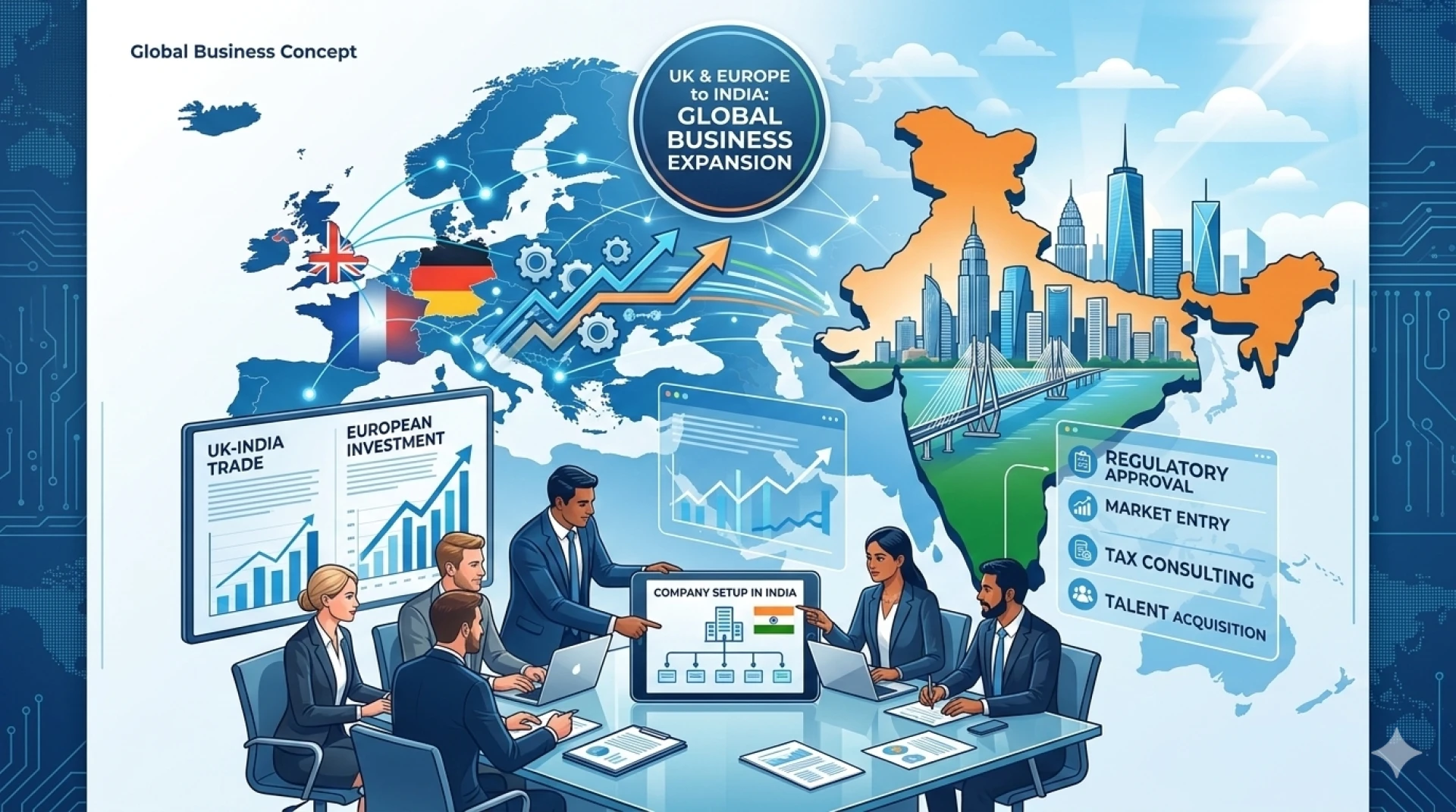
For international entrepreneurs, professional guidance can simplify the process of starting up a business in India. Business consultants assist with company registration, regulatory approvals, tax planning, and compliance management.
Experienced advisors understand the complexities of the Indian regulatory system and can ensure that businesses meet all legal requirements.
Stratrich provides specialized consulting services for entrepreneurs from the UK and Europe who want to establish businesses in India. From company formation to ongoing compliance support, the firm helps clients navigate every stage of the business setup process.
Conclusion
India has become one of the most promising destinations for global business expansion. Its growing economy, large consumer market, and supportive investment policies create strong opportunities for international entrepreneurs.
For companies in the UK and Europe, starting up a business in India can be a strategic step toward entering a high-growth market and achieving long-term success.
With careful planning, a clear understanding of regulations, and professional support from experts like Stratrich, businesses can successfully establish and grow their presence in India’s dynamic and rapidly evolving market.
































Sign in to leave a comment.