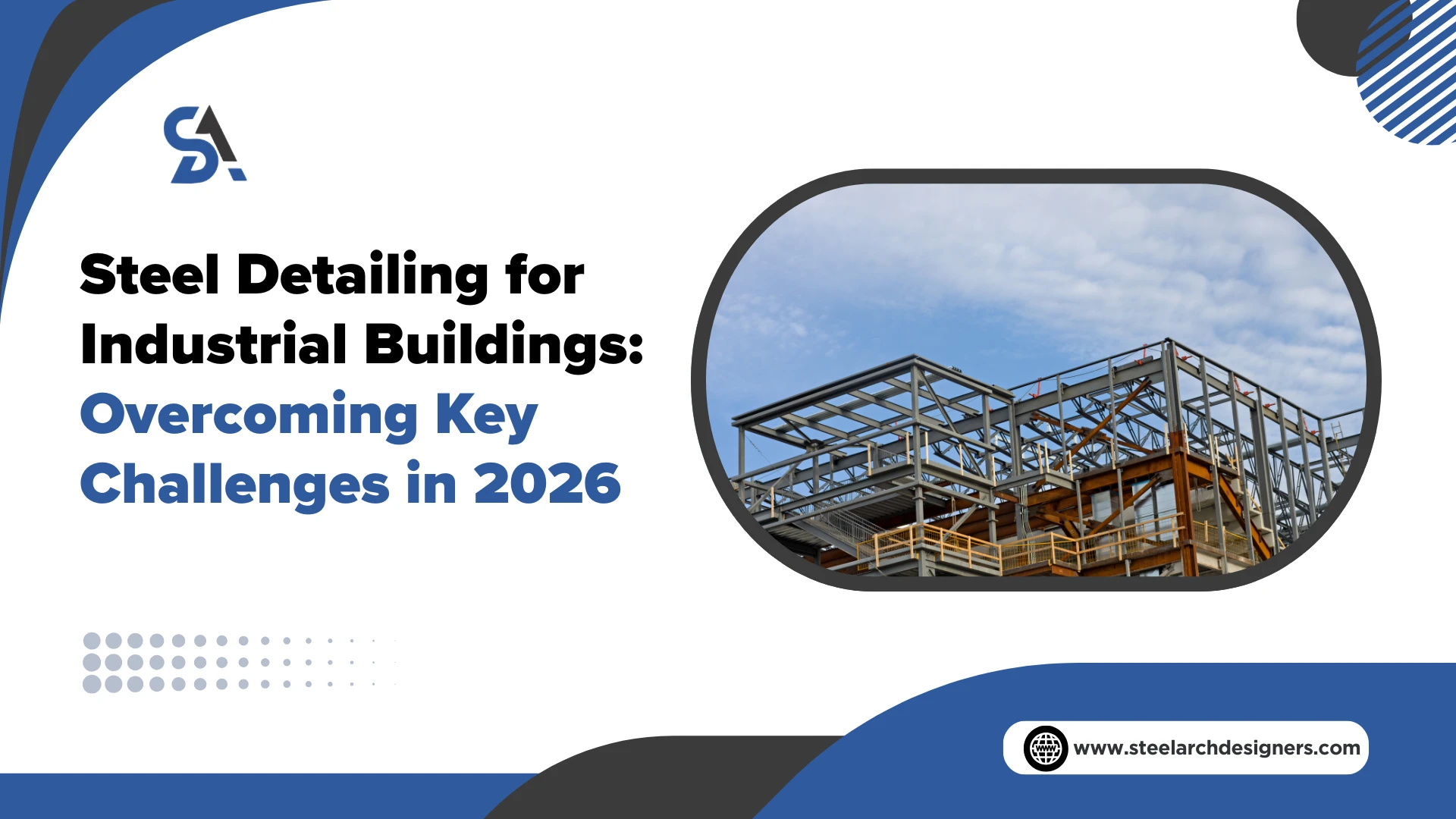

Industrial buildings, like factories, warehouses, and production facilities, are large and complex structures. They need strong steel frameworks to handle heavy loads, machines, and high ceilings. To make sure these steel structures are safe and built correctly, engineers rely on structural steel detailing.
In simple words, steel detailing for industrial buildings is about preparing very accurate drawings and plans for every steel part so that fabricators and construction teams can build exactly what the engineers designed.
As we move into 2026, the steel construction industry is changing. New technologies, software tools, and construction methods are helping make steel detailing more accurate and faster. But there are still some challenges in steel detailing, especially for big industrial buildings.
In this article, we will explain what steel detailing is, why it is important, what challenges are faced today, and how companies are solving them using modern technology.
What is Structural Steel Detailing?
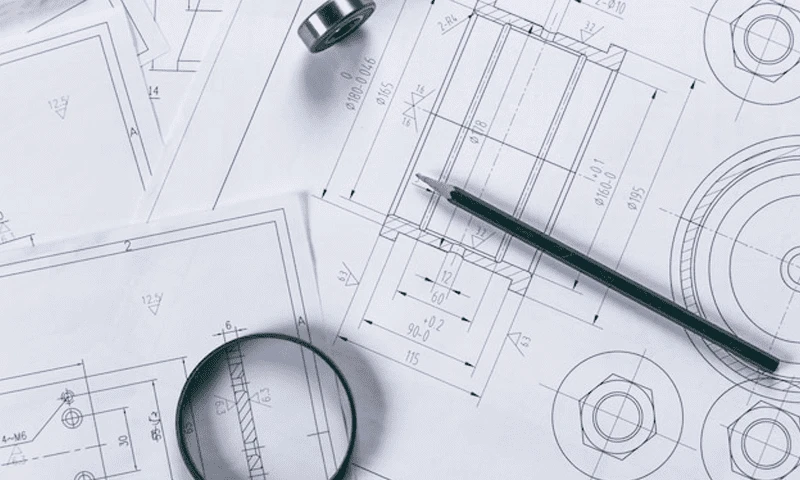
Structural steel detailing is the process of creating precise drawings for steel components used in a building. These drawings are used by steel fabricators to cut, shape, and assemble steel parts.
For industrial buildings, steel detailing includes:
- Designing beams, columns, trusses, and braces
- Showing exact sizes, lengths, and angles of steel members
- Planning steel connections and joints
- Preparing fabrication-ready drawings for workshops
Think of it like this: the engineer designs the building, and the steel detailer makes a “recipe” for the fabricator to follow. If there are mistakes in this recipe, the steel pieces may not fit properly at the construction site, which can delay the project and increase costs.
Why Steel Detailing is Important in Industrial Buildings
Industrial buildings are usually big and heavy. They often need to support:
- Heavy machinery
- Large roof spans
- Multiple floors
- Cranes and other equipment
This makes steel detailing for industrial buildings very important. Proper detailing provides:
- Accuracy in fabrication: Every steel part is made exactly as planned.
- Faster construction: On-site assembly is smoother and faster.
- Safety: Correct detailing ensures strong connections, reducing the risk of failure.
- Cost savings: Avoids material waste or mistakes that can be expensive to fix.
- Compliance: Makes sure the design follows building codes and safety standards.
With modern industrial projects getting bigger and more complex, accurate steel detailing has become essential.
Common Challenges in Steel Detailing for Industrial Buildings in 2026
Even with new tools and software, steel detailers face several challenges in 2026. Understanding these helps engineers, fabricators, and contractors plan better.
1. Complex Designs of Industrial Buildings
Industrial buildings today are rarely simple rectangular structures. They may include:
- Mezzanine floors
- Wide open spans without columns
- Overhead cranes
- Heavy equipment foundations
This makes it harder to plan steel members and their connections. Even small errors in connection design can lead to major issues during construction.
Solution: Using 3D steel modeling helps detailers visualize the entire structure before fabrication. It allows them to spot problems early and avoid costly mistakes.
2. Reducing Errors in Steel Fabrication
Errors in steel fabrication are a big problem. A single mistake in a beam’s size or a joint’s angle can delay the whole project. Common causes include:
- Miscommunication between engineers, detailers, and fabricators
- Manual 2D drawings that are hard to read
- Human mistakes in measurements
Solution: Using construction detailing software and BIM for steel structures reduces mistakes. BIM lets teams check for clashes and ensures every steel part fits perfectly before fabrication.
3. Tight Deadlines
Industrial projects usually have strict deadlines. Preparing steel drawings manually can take weeks. Any delay in detailing can push back fabrication and construction schedules.
Solution: Modern detailing tools and 3D steel modeling automate many steps. They can quickly generate steel fabrication drawings, saving time without sacrificing accuracy.
4. Coordination Between Teams
Large industrial projects have many teams working together:
- Architects
- Structural engineers
- Detailers
- Fabricators
- Contractors
Poor communication can lead to mismatched steel parts or rework.
Solution: BIM for steel structures allows all teams to work on the same digital model. Any change is automatically updated for everyone, which improves coordination and reduces errors.
5. Advanced Structural Requirements
New industrial buildings need more than just steel beams. They often require:
- Earthquake-resistant designs
- Lightweight or sustainable materials
- Special steel connections for cranes or machinery
Detailers must carefully plan steel connection design and member placement to meet these requirements.
Solution: Ongoing training in structural engineering services and modern detailing software keeps detailers updated with the latest standards and methods.
Modern Tools and Solutions in Steel Detailing
The industry has adopted new technologies to overcome these challenges. Some of the most important solutions include:
1. 3D Steel Modeling
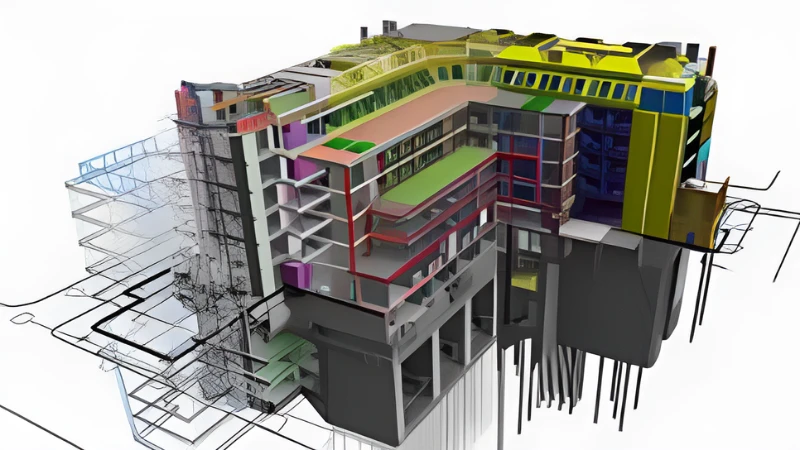
Traditional 2D drawings often fail to show how steel members will fit together in real life. 3D steel modeling helps:
- See the entire building in three dimensions
- Detect clashes between steel, pipes, and ducts
- Plan connections accurately
- Reduce errors in fabrication
3D models make it easier for everyone to understand the structure, even non-engineers on site.
2. BIM for Steel Structures
Building Information Modeling (BIM) is more than 3D modeling. It allows:
- Real-time collaboration among architects, engineers, and contractors
- Automatic clash detection between structural, electrical, and mechanical systems
- Accurate quantity calculations for materials
- Better planning for steel fabrication and erection
Using BIM ensures the steel structure is built exactly as designed, saving time and money.
3. Construction Detailing Software
Modern software simplifies the detailing process. Features include:
- Automatic steel fabrication drawings
- Standard steel connection design templates
- Integration with CNC machines for cutting and drilling
- Error-checking tools to ensure all measurements are correct
These tools allow detailers to prepare drawings faster and more accurately than manual methods.
4. Reducing Errors in Fabrication
Even with advanced tools, mistakes can happen. Some ways to reduce errors include:
- Using BIM for steel structures to detect clashes
- Checking all steel connection designs before fabrication
- Conducting quality control reviews of drawings
- Training teams to use modern software
This reduces the chances of mistakes and ensures steel parts fit perfectly at the construction site.
5. Skilled Workforce
Technology helps, but the workforce still plays a key role. Skilled detailers understand:
- How to read and create precise drawings
- Standards for structural steel detailing
- How to use construction detailing software and BIM
Training and experience ensure that projects are completed efficiently and safely.
Future Trends in Steel Detailing
Steel detailing is evolving quickly. Here are some trends expected to grow in 2026 and beyond:
- Automation: AI tools will help generate drawings automatically, reducing repetitive tasks.
- Cloud Collaboration: Teams can access models and drawings from anywhere, improving flexibility.
- Sustainable Steel Design: Using eco-friendly materials and lightweight structures is becoming common.
- Integration with Manufacturing: Steel detailing software can send instructions directly to CNC machines for precise cutting and drilling.
These trends will make steel detailing faster, safer, and more cost-effective.
Why Choose Steelarch Designers for Your Steel Detailing Needs
At Steelarch Designers, we specialize in accurate structural steel detailing for industrial buildings. Our services include:
- Preparing detailed steel fabrication drawings
- Designing safe and precise steel connections
- Using 3D steel modeling and BIM for steel structures to reduce errors
- Providing professional structural engineering services for industrial projects
We focus on reducing errors in steel fabrication, saving time, and ensuring every steel structure is built correctly.
Whether it’s a warehouse, factory, or heavy industrial building, Steelarch Designers delivers high-quality, reliable, and accurate steel detailing services.
Conclusion
Steel detailing is a crucial step in building safe and efficient industrial structures. In 2026, the challenges include complex designs, tight schedules, errors in fabrication, and coordination among multiple teams.
With modern tools like 3D steel modeling, BIM for steel structures, and construction detailing software, these challenges can be successfully managed. Coupled with skilled professionals and proper training, steel detailing ensures industrial buildings are safe, accurate, and cost-effective.
By choosing experienced service providers like Steelarch Designers, companies can overcome steel detailing challenges in 2026 and deliver strong, well-built industrial buildings on time and within budget.
Know More : https://www.steelarchdesigners.com/blog/steel-detailing-industrial-buildings-2026.php





















Sign in to leave a comment.