
Choosing the right construction method is one of the most important decisions in any building project. In the UK, the long-standing use of timber framing is now being challenged by steel frame construction, particularly light gauge steel systems. As build standards rise and project timelines tighten, many builders and developers are turning to steel for its accuracy, durability, and long-term performance.
Both timber and steel have their place in construction, but modern project demands are highlighting clear advantages that steel framing offers in residential, commercial, and modular builds.
Understanding the Difference Between Steel and Timber Framing
Timber framing relies on natural wood components that are cut and assembled on site. While widely used, timber can be affected by moisture, temperature changes, and long-term movement.
Steel frame construction uses cold-formed or light gauge steel sections manufactured with precision. These components are produced in controlled environments and assembled on site to form walls, floors, and roof structures.
The key difference lies in stability and consistency. Steel components remain dimensionally accurate throughout their lifespan, while timber can change over time.
Build Speed and Project Control
One of the biggest reasons builders are choosing steel over timber is speed. Steel frames are fabricated off-site while foundations and groundwork are completed. This parallel workflow significantly reduces overall construction time.
Timber framing often requires more on-site cutting and adjustment, which can slow progress and introduce variability. Steel frames arrive ready for installation, allowing projects to move forward efficiently and predictably.
Structural Strength and Stability
Steel offers a higher strength-to-weight ratio than timber. This allows for wider spans, open-plan layouts, and multi-storey designs without excessive structural bulk.
Unlike timber, steel does not warp, shrink, twist, or rot. This stability reduces issues such as cracked finishes, misaligned doors, and long-term movement—common concerns in timber-framed buildings.
Accuracy and Build Quality
Precision is a major advantage of steel frame construction. Steel components are engineered digitally and manufactured to exact measurements, ensuring a high level of accuracy across the entire structure.
This precision improves build quality and simplifies coordination between trades. Timber framing, while effective, often involves greater tolerance variation due to natural material characteristics.
Fire, Moisture, and Pest Resistance
Steel is non-combustible and does not contribute to fire spread, making it a safer structural choice in many applications. It is also resistant to moisture damage and unaffected by pests such as insects or rodents.
Timber, on the other hand, requires additional treatments and protections to manage these risks, which can increase maintenance requirements over time.
Energy Efficiency and Modern Standards
Steel frame buildings work effectively with modern insulation systems and airtight construction methods. When designed correctly, steel-framed structures can achieve excellent thermal performance and meet UK building regulations.
Both steel and timber can be energy efficient, but steel framing offers greater consistency, which helps achieve predictable performance across larger developments.
Sustainability Considerations
Steel is fully recyclable and often manufactured using recycled material. Off-site steel fabrication also reduces waste and limits environmental impact during construction.
Timber is a renewable resource, but material waste and on-site adjustments can reduce efficiency. Steel’s precision manufacturing supports cleaner and more sustainable construction practices.
Design Flexibility and Future Adaptability
Steel framing supports modern architectural design by allowing open layouts, large window openings, and flexible internal spaces. It also makes future modifications and extensions easier to manage.
This adaptability is especially valuable in residential developments, commercial buildings, and mixed-use projects where long-term flexibility is essential.
Growing Preference for Steel Frame Solutions
As construction demands continue to evolve, more UK builders are recognising the practical advantages of steel frame systems. Faster builds, consistent quality, and long-term reliability are driving this shift across multiple sectors.
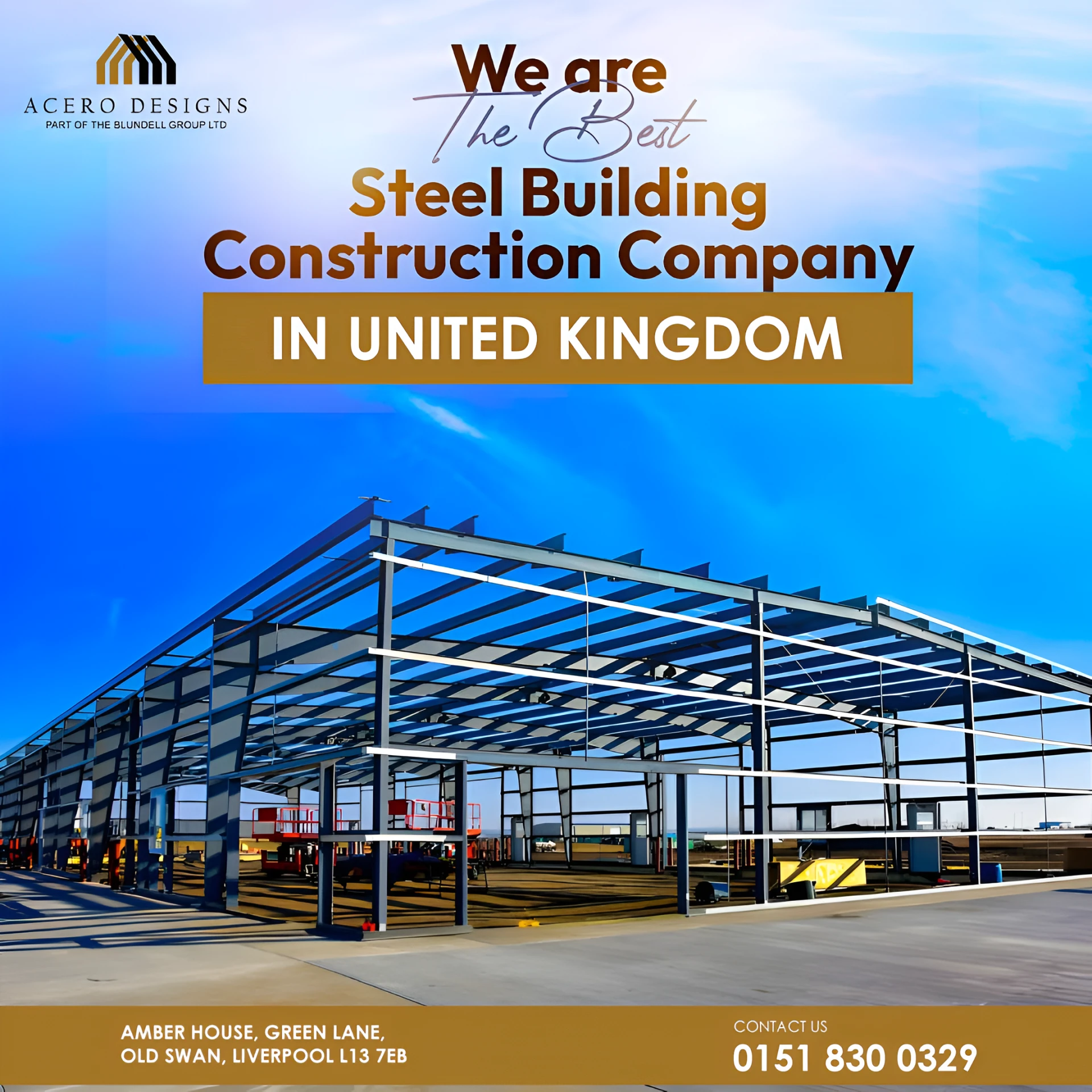
Specialist companies such as Acero Designs Ltd reflect this change by focusing on precision steel frame design and fabrication that supports modern construction requirements.
Final Thoughts
While timber framing remains a familiar construction method, steel frame construction is increasingly proving to be the smarter choice for modern UK builds. With advantages in speed, accuracy, durability, safety, and sustainability, steel framing meets the needs of today’s construction environment.
As the industry moves forward, steel frame systems are set to play an even greater role in delivering high-quality, future-ready buildings across the UK.























Sign in to leave a comment.