
Introduction
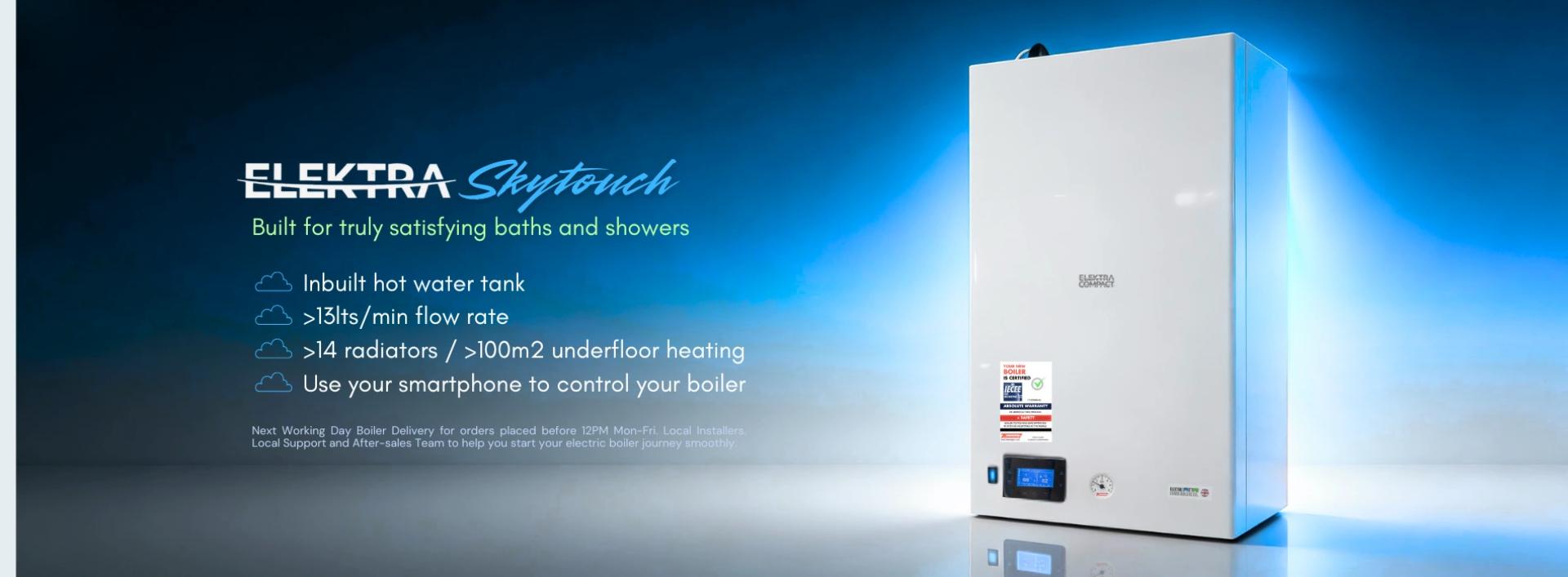
A combi boiler is a hot water and central heating unit in a single housing. This is the most widely used system among homeowners as it is very efficient and saves space. It helps ensure safety, compliance, and performance. Each step is clearly defined in this guide, updating homeowners on what they need to know about the installation process.
1. Assessing the Property and Planning
A comprehensive property evaluation is carried out before starting. An installer checks your current heating system, pipework, and water pressure, ensuring everything is ready for a professional combi boiler installation. A good heating system design identifies the most appropriate location for the boiler, which is typically a nearby external wall for flue access. Correct measurements ensure the new unit fits comfortably and safely into the chosen area.
2. Selecting the Right Boiler
Many factors determine which model to use. This depends on the size of the property, the number of bathrooms, and the heating/CWS requirements. An installer assists in comparing these specifications to select the correct size boiler. Choosing a unit that is too small can cause problems with temperature and energy efficiency.
3. Preparing for Installation
With a little preparation, the process can be safe and relatively seamless. Whether you have an existing boiler or not, the installer will switch off the water and gas supply, then remove the existing boiler. Floor protection covers are used to safeguard floors and surrounding surfaces against dust or debris. The tools and parts required are prepared in advance to avoid any delays during the installation.
4. Removing the Existing Boiler
The existing system must be disconnected with care. A professional safely disconnects gas, water, and electrical connections. Once the units are separated, the old boiler is hoisted and moved aside for disposal. The installer also inspects the pipework for wear to ensure that the new boiler will connect easily and that the entire system will operate efficiently.
5. Fitting the New Boiler
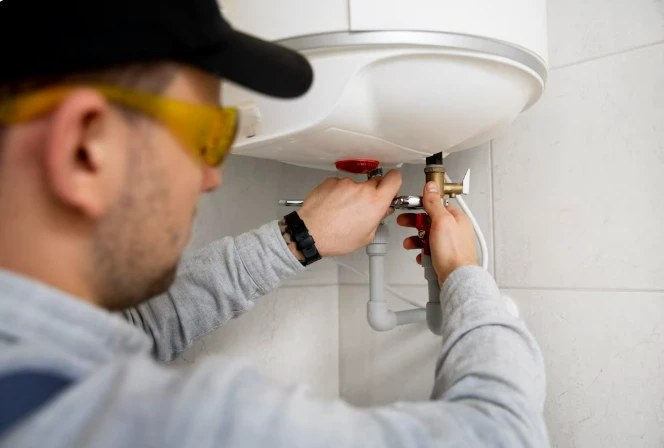
The new combi is installed where the earlier plan indicated. Bracket type: Wall brackets are securely fixed to the wall to support the weight of the unit. The installer then connects the water, gas, and heating pipes to the respective inlets and outlets. Electrical wiring is also carried out, of course, in accordance with regulations and standards to guarantee safety.
6. Installing the Flue and Ventilation
Ventilation is very important to ensure exhaust gases are safely directed. The installer runs a flue through the nearest external wall or ceiling, ensuring there are no obstacles. Seals are applied in and around the flue to prevent leaks, with additional ventilation provided if necessary. This ensures that harmful fumes do not affect the occupants or the property in any way.
7. Connecting to the Mains
After the boiler is in position, the installer reconnects the gas and water supplies. The equipment checks all joints for leaks. The heating supply is tested to ensure the boiler is operating without issues. These checks verify that the system can operate safely.
8. System Filling and Testing
The next step is to fill the system with water. Air is bled from radiators to prevent cold spots and ensure uniform heating. The installer adjusts the pressure and then activates the boiler to carry out a series of tests. Each control is checked to ensure everything is responding as expected.
9. Commissioning and Handover
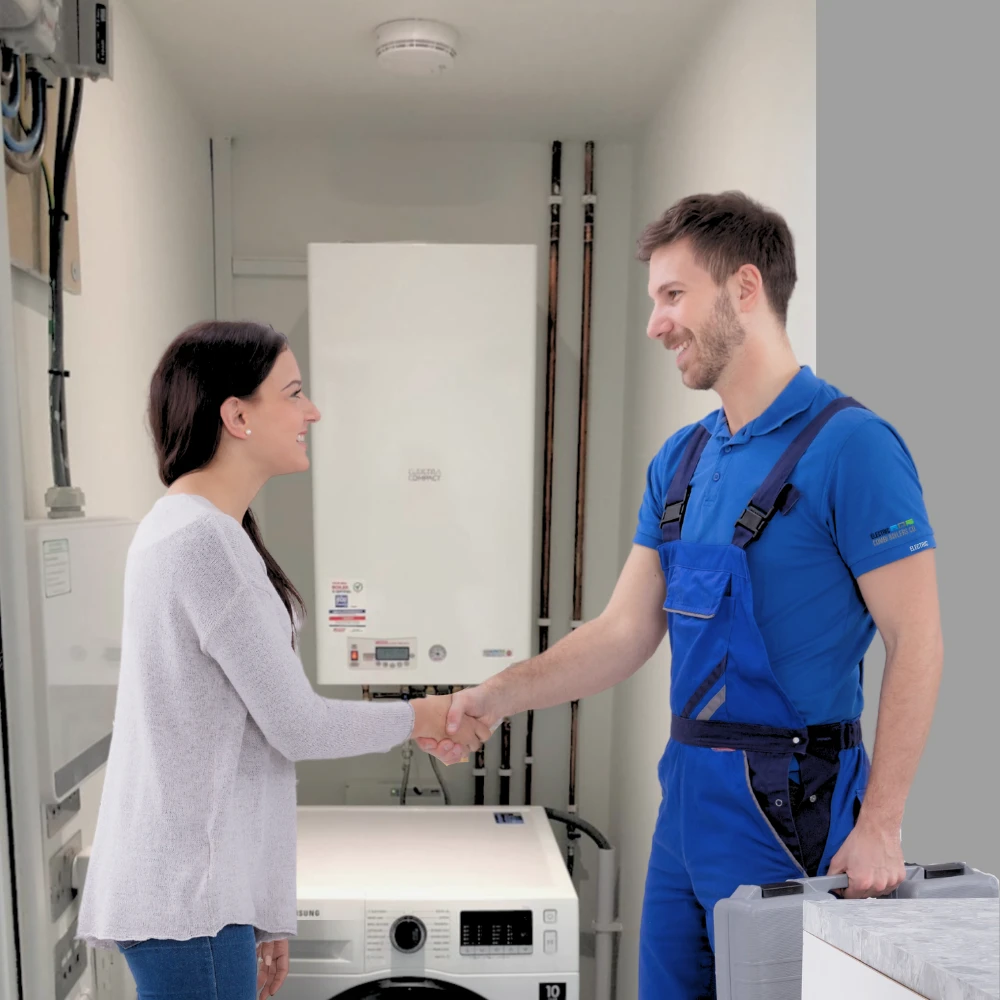
Commissioning involves checking every function carefully. This confirms that hot water runs correctly and that radiators heat evenly throughout the home. Performance and efficiency are fine-tuned if necessary. The installer provides guidance on the controls, how to programme the timers, and basic maintenance.
10. Safety Checks and Documentation
Safety remains a priority at every step. Safety records and documentation are completed by the installer of the new boiler. An installation certificate is issued to the homeowner and may be required for warranties or future property sales. All paperwork is kept safely for future reference.
Conclusion
There is a sequential approach to combi boiler installation that ensures safety and comfort. Every stage — from assessment through handover — is an important piece of the puzzle. Homeowners who understand these steps can rest assured that their heating system will provide reliability and efficiency. Regular servicing ensures the boiler continues to operate effectively for many years.
























Sign in to leave a comment.