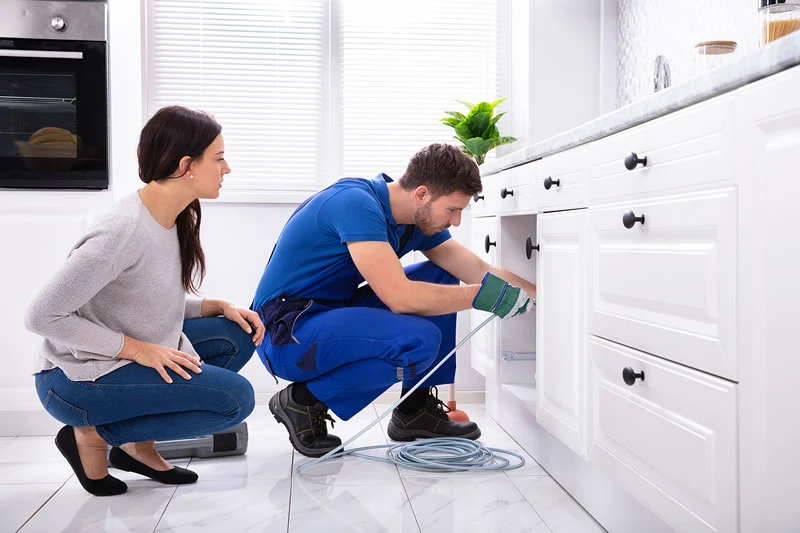

Water leaks are one of the most common yet frustrating plumbing issues homeowners face. Left untreated, even a small leak can lead to wasted water, rising utility bills, mold growth, and structural damage. If you’re searching for a reliable plumber in Beverly Hills, knowing how to find and fix leaks early is essential. This guide walks you through the process step by step, offering professional insight into detecting leaks and taking timely action.
Step 1: Look for Visible Signs of Leaks
Start by inspecting areas where leaks commonly occur around faucets, under sinks, near toilets, and around your water heater. Look for puddles, dripping sounds, mold patches, or water stains on ceilings and walls. These are telltale indicators that water is escaping somewhere it shouldn’t.
Step 2: Monitor Your Water Meter
Turn off all water-using appliances and fixtures in your home, then check your water meter. If the dial continues moving, it’s a strong sign of a hidden leak. This method is especially helpful for detecting underground or behind-wall leaks that are harder to spot.
Step 3: Check Appliances and Fixtures
Inspect dishwashers, washing machines, and water heaters. Hoses, valves, and seals often wear down over time, creating slow but damaging leaks. Replacing worn-out parts can resolve small issues before they escalate.
Step 4: Investigate Unusual Sounds
If you hear hissing, dripping, or rushing water when no fixtures are running, you may have a hidden leak. Advanced techniques, such as video camera inspections, allow plumbers to pinpoint the exact location of leaks without invasive digging or wall removal.
Step 5: Examine Outdoor Plumbing
Leaks don’t just happen indoors. Check sprinkler systems, outdoor faucets, and hoses for cracks or dripping. Underground leaks in irrigation lines can go unnoticed for months, wasting hundreds of gallons of water.
Step 6: Temporary Fixes You Can Try
If you locate a small leak and can’t get immediate professional help, you can use pipe tape, epoxy putty, or a pipe clamp as a temporary fix. These solutions buy you time but are not permanent—professional repairs are always recommended for long-term reliability.
Step 7: Call a Licensed Plumber
For leaks inside walls, ceilings, or underground, professional help is essential. Plumbers use specialized equipment to detect and repair leaks without causing unnecessary property damage. Acting early prevents issues like septic backups or tank failures, which are often worsened when regular septic system maintenance is ignored.
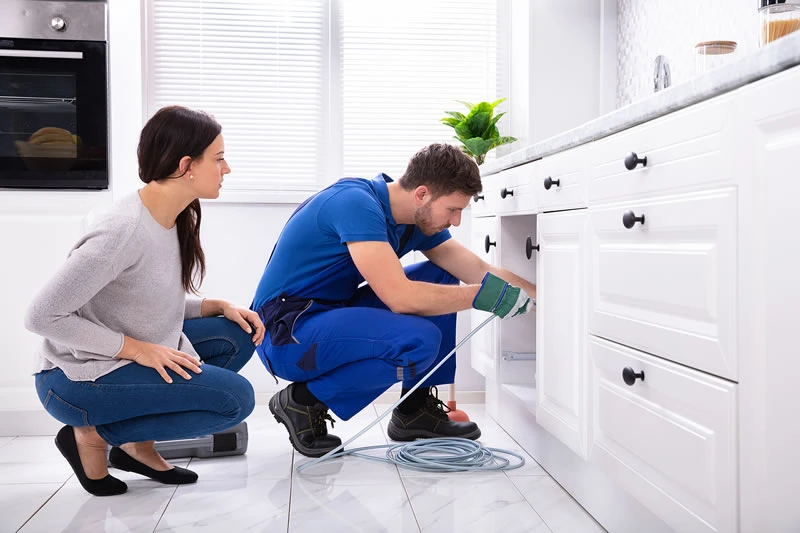
Hidden Bathroom Leak in Beverly Hills
A homeowner in Beverly Hills noticed rising water bills but couldn’t find any visible signs of a leak. After calling in a plumber, a video camera inspection revealed a slow leak in the pipes behind the master bathroom wall. Over time, moisture had weakened the drywall and caused mold growth. By identifying the leak early, the plumber repaired the damaged pipe and restored the bathroom before the problem escalated into a costly remodel. The homeowner not only saved thousands in potential damage but also learned the importance of regular plumbing inspections.
FAQs About Water Leaks
Q1: How do I know if I have a hidden water leak?
A sudden spike in your water bill, reduced water pressure, or sounds of running water with no fixtures on are strong indicators of a hidden leak.
Q2: Can I fix a water leak myself?
Minor leaks like dripping faucets or loose connections can be DIY projects. However, leaks inside walls, ceilings, or underground require professional repair to prevent further damage.
Q3: Are water leaks covered by homeowners’ insurance?
Insurance usually covers sudden and accidental water damage but not gradual leaks caused by neglect. Regular maintenance ensures you don’t run into claim denials.
Q4: How much water can a small leak waste?
A single dripping faucet can waste more than 3,000 gallons of water a year. That’s enough to significantly raise your utility bills.
Q5: How often should I schedule leak inspections?
Annual plumbing inspections are recommended. If you live in an older home, more frequent checks may be necessary.
Why Acting Quickly Matters
Every hour a leak goes untreated increases the risk of water damage, mold, and costly repairs. Even a small drip can snowball into structural issues if ignored. Quick detection, timely temporary fixes, and calling a licensed plumber are your best defenses against plumbing disasters.
Final Thoughts
Leaks can happen anywhere in your plumbing system, but with proactive monitoring and professional support, you can prevent them from becoming major headaches. By following these step-by-step methods checking for visible signs, monitoring your meter, using professional tools like video camera inspections, and scheduling regular septic system maintenance you’ll keep your home safe, dry, and efficient.
When in doubt, trust the experienced professionals at Rooter Man Plumbing of Los Angeles. Their team has the tools and expertise to find and fix leaks quickly, protecting your home from damage and ensuring peace of mind.



























Sign in to leave a comment.