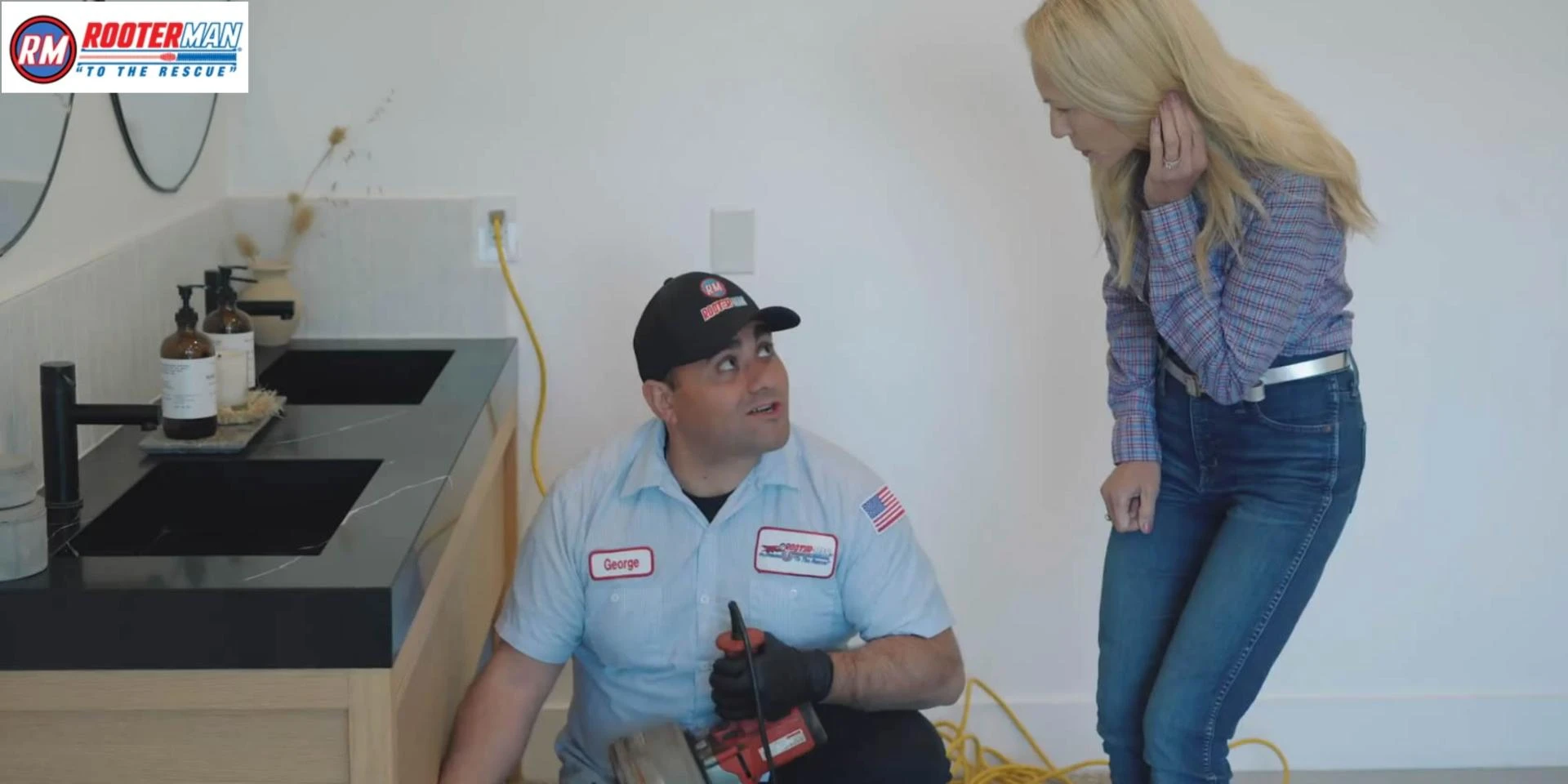
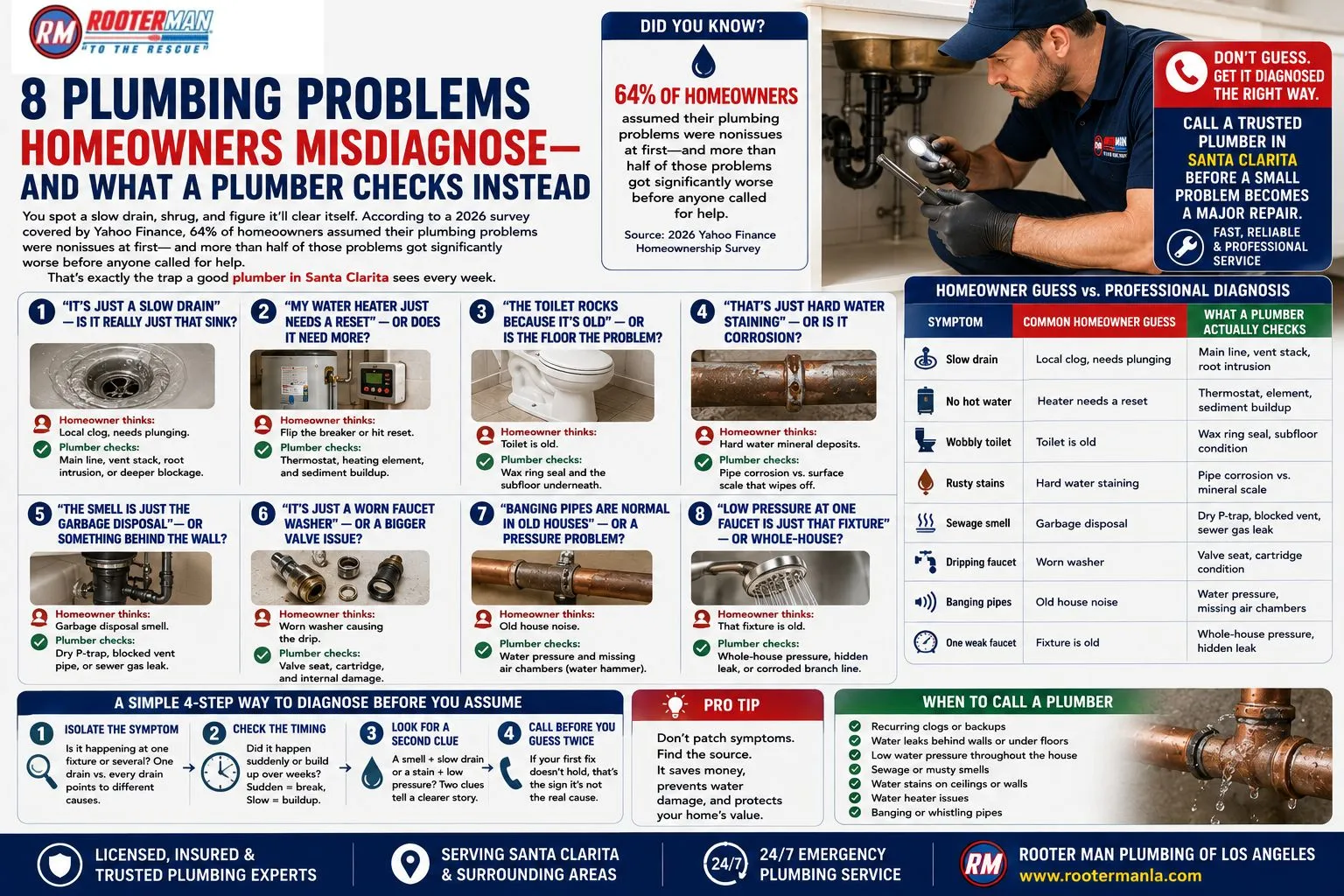
Most plumbing disasters don’t happen overnight—they’re the result of years of small oversights. A few smart habits can protect your home and wallet from costly repairs. Whether you own an older property or a modern home, regular care is key to avoiding emergencies. As an experienced plumber in Glendale, Rooter Man Plumbing of Los Angeles has seen how consistent upkeep can save homeowners thousands of dollars over time.
1. Check for Leaks Regularly
Small leaks often go unnoticed until they cause water damage. Make it a habit to check under sinks, behind toilets, and around appliances. Even a few drops can lead to higher bills and hidden mold. Early leak detection saves not only money but also your home’s structure. If you notice discoloration or a musty smell, schedule a professional inspection immediately.
2. Flush Your Water Heater Annually
Your water heater silently works year-round, collecting sediment that affects efficiency. Flushing it annually keeps the system clean and prevents rust buildup. This habit also extends its lifespan and improves heating performance. If your water looks cloudy or the heater makes popping sounds, it’s time for maintenance or possible replacement.
3. Skip Chemical Cleaners in Drains
Chemical cleaners may seem convenient, but they corrode pipes and create long-term damage. Instead, maintain clean drains naturally using household methods, or call for a professional drain cleaning service. A regular cleaning schedule ensures smooth drainage and prevents buildup from turning into major clogs later.
4. Insulate Pipes Before Winter
Cold weather can cause unprotected pipes to freeze and burst. Add pipe insulation around exposed areas, especially in basements and attics. Proper insulation keeps your plumbing system safe during freezing temperatures and improves energy efficiency—a tip that’s part of every smart winter plumbing plan.
5. Monitor Your Water Pressure
Excessive water pressure might feel great in the shower, but it stresses your pipes. Use a pressure gauge to make sure it stays between 40–60 psi. If readings are too high, install a regulator or contact a professional to balance your system before it leads to leaks or pipe bursts.
6. Maintain Clean Drains Weekly
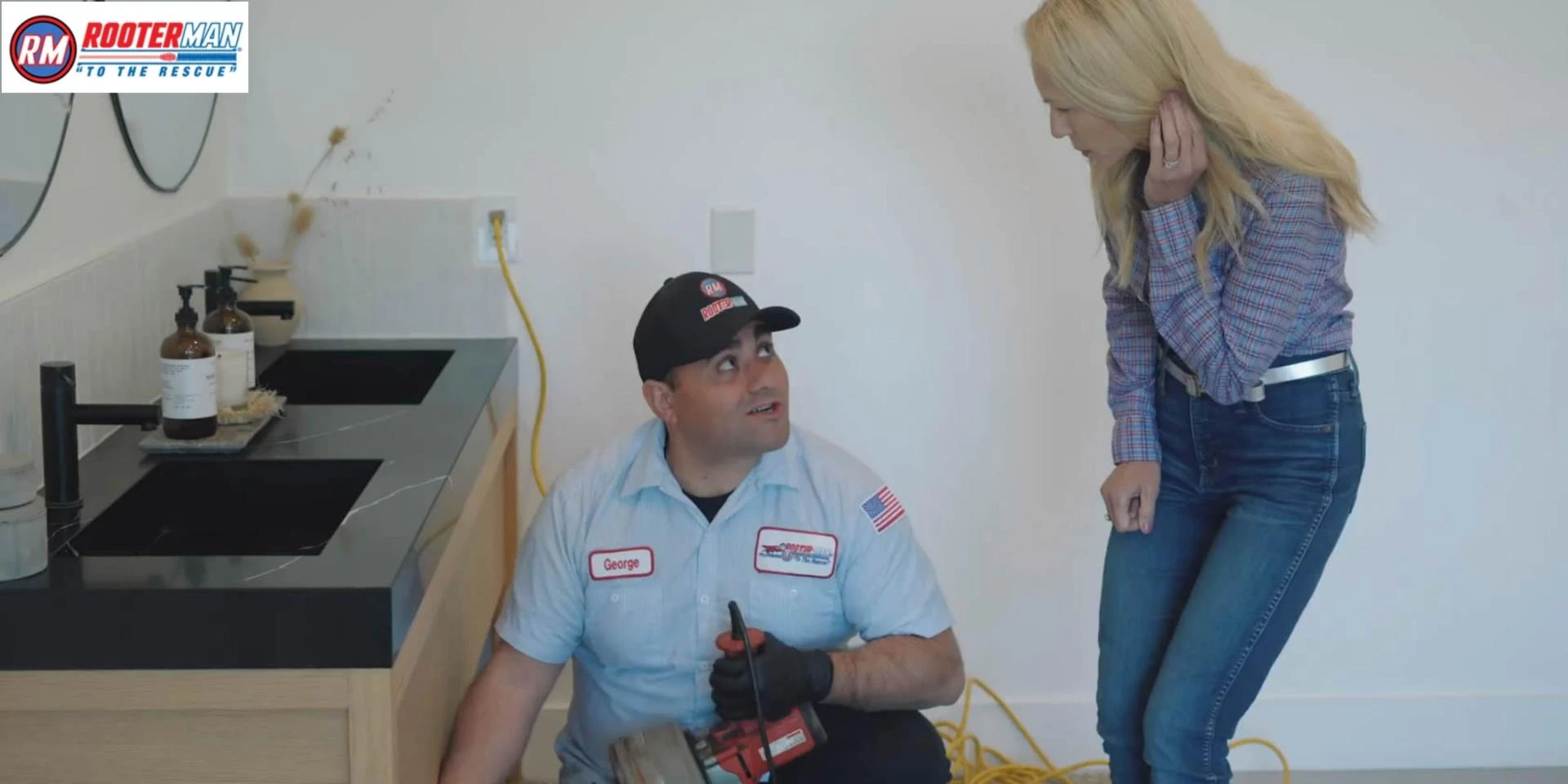
A little weekly care goes a long way. Pour boiling water down the drain to dissolve minor buildup. Use strainers to catch hair and debris. Persistent slow drains could indicate deeper issues, so don’t delay calling in experts for proper cleaning. Regular drain maintenance is one of those simple habits from your annual plumbing checklist that saves big in the long run.
7. Know Where Your Main Shut-Off Valve Is
Every homeowner should know how to stop the flow of water in an emergency. Find and label your main shut-off valve it’s your first line of defense against flooding. Being prepared can reduce water damage dramatically and give you precious time before professionals arrive.
8. Watch What You Flush
Toilets are designed for waste and toilet paper only. Flushing items like wipes, cotton pads, or sanitary products causes major clogs and backups. Frequent blockages can damage sewer lines and may require sewer repair an expense easily avoided with mindful habits.
9. Schedule Yearly Plumbing Inspections
An annual plumbing inspection helps detect small problems before they escalate. Professionals can spot corrosion, loose joints, or minor leaks that might otherwise go unseen. It’s one of those preventative measures most homeowners skip but regret later. A trusted plumber in Glendale can ensure your home’s system stays efficient year-round.
10. Replace Outdated Fixtures and Pipes
Old plumbing components are prone to corrosion and leaks. Upgrading to modern fixtures or repiping older lines not only prevents future problems but also increases water efficiency. Homes built decades ago can benefit greatly from these upgrades an investment that often pays for itself in reduced water and repair costs.
A Glendale Homeowner’s $2,000 Lesson
A Glendale family noticed a faint dripping sound behind their bathroom wall but ignored it for weeks. When the paint began bubbling, they called Rooter Man Plumbing of Los Angeles. Our inspection revealed a hidden leak beneath the floorboards. A quick fix cost less than $300 yet delaying even another month could have caused over $2,000 in water damage and mold remediation.
The takeaway? Regular maintenance and early detection are your best savings tools.
Smart Habits That Go Beyond Repairs
Keeping a maintenance mindset helps in every season especially before winter, during yearly checkups, or when addressing issues you shouldn’t fix yourself. Regular attention to your system can prevent emergencies, reduce bills, and improve your water quality. It’s all part of adopting smarter, preventive plumbing habits rather than waiting for a crisis.
FAQs
1. How often should I inspect my plumbing?
At least once a year. Regular inspections help detect leaks, corrosion, and pressure issues before they cause expensive damage.
2. Can I clean my drains without chemicals?
Yes! Use boiling water or natural cleaners like baking soda and vinegar. For deeper buildup, hire professionals for eco-friendly cleaning.
3. What’s the ideal water pressure range?
Between 40–60 psi. Too high can stress your plumbing; too low may indicate a clog or leak.
4. When should I replace my water heater?
Every 8–12 years, depending on maintenance and water quality. Regular flushing can extend its life.
5. Should I turn off water during vacations?
Absolutely. Shutting off your main valve prevents unexpected leaks or flooding while you’re away.
Conclusion
Good plumbing habits aren’t complicated they’re consistent. By following these ten habits, you’ll protect your home, lower repair costs, and extend the life of your plumbing system. Remember, prevention always costs less than repairs.
For trusted help maintaining your plumbing, reach out to Rooter Man Plumbing of Los Angeles your reliable plumber in Glendale. From regular inspections to advanced leak detection and full-system upgrades, we’re here to keep your home running smoothly.























Sign in to leave a comment.