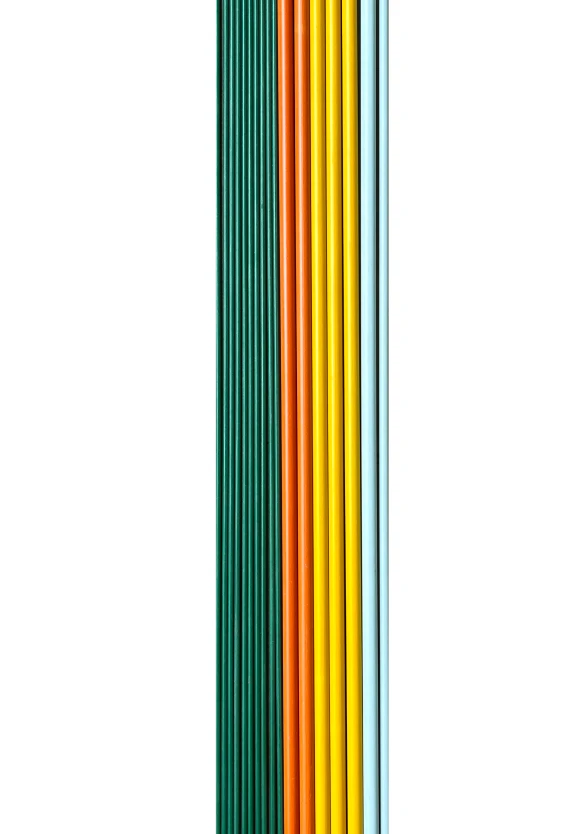

When it comes to supporting plants, especially in gardening and landscaping, fiberglass plant stakes have become a preferred alternative to traditional wooden or metal stakes. Lightweight, durable, weather-resistant, and long-lasting — fiberglass stakes are ideal for both home gardeners and professional growers. At Vantide Bamboo, we provide premium fiberglass plant stakes designed to offer reliable support for your plants in all growing conditions.
Here’s a step-by-step guide to help you use fiberglass plant stakes effectively.
Step 1: Choose the Right Stake Size
The first step is selecting the appropriate stake size based on the type and height of your plant.
- Small plants and seedlings: Use 4–6 mm diameter stakes, about 2–3 feet tall.
- Medium-sized plants (like tomatoes or roses): Choose 8–10 mm diameter stakes, around 4–5 feet tall.
- Tall or heavy plants (like fruit trees): Opt for 12–16 mm diameter stakes, 6–8 feet tall.
Vantide Bamboo offers a wide range of fiberglass plant stakes in multiple sizes, ensuring you find the perfect match for your plants.
Step 2: Insert the Stake into the Soil
Next, carefully push the fiberglass stake into the ground near the base of your plant. Insert it deep enough (at least 6–8 inches) to ensure strong anchoring. The stake should be positioned a few inches away from the plant stem to avoid damaging the roots.
Fiberglass stakes are sturdy yet flexible, allowing easy installation even in compact or rocky soil without cracking or bending like wood or metal alternatives.
Step 3: Tie the Plant to the Stake
Once your stake is securely placed, gently tie your plant stem to the stake using soft plant ties, twine, or garden tape.
- Start at the base and tie at regular intervals as the plant grows.
- Make sure the ties are snug but not too tight — the plant needs space to expand and move slightly with the wind.
This method promotes upright growth and prevents stem breakage, especially for delicate or tall plants.
Step 4: Adjust as the Plant Grows
As your plant matures, it may need additional support or a taller stake. Periodically check the ties and reposition them if needed. Fiberglass stakes are reusable and easy to adjust, making them a sustainable choice for long-term gardening.
Step 5: Clean and Store After Use
When the growing season ends, remove the stakes, clean off any dirt or residue, and store them in a dry area. Unlike wooden stakes, fiberglass won’t rot, rust, or degrade, ensuring it’s ready for reuse year after year.
Why Choose Vantide Bamboo Fiberglass Plant Stakes?
At Vantide Bamboo, our fiberglass stakes are:
- UV-resistant and weatherproof – perfect for all climates.
- Lightweight yet strong – easy to handle but highly durable.
- Non-corrosive and rot-proof – long-lasting compared to wood or metal.
- Eco-friendly and reusable – promoting sustainable gardening practices.
Conclusion
Using fiberglass plant stakes is a simple, effective, and eco-friendly way to support your plants throughout their growth cycle. With the right technique and quality stakes from Vantide Bamboo, you can ensure your garden remains healthy, organized, and thriving season after season.


























Sign in to leave a comment.