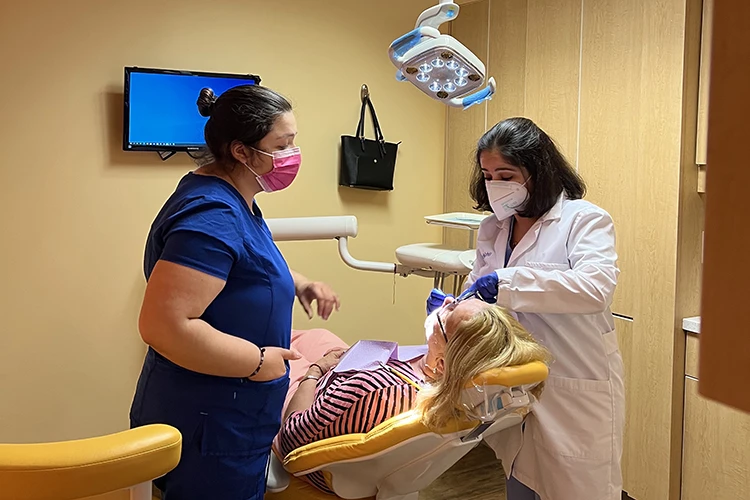

Oral hygiene is vital to a person's overall well-being, and professional dental cleaning is among the most effective ways to ensure your teeth and gums are in excellent condition. Although brushing and flossing the teeth daily is highly crucial, the process may sometimes be unable to eliminate plaque and tartar that are difficult to remove over time. Professional dental cleaning helps prevent oral diseases and keeps your smile healthy and beautiful.
Why Professional Dental Cleaning Is Important
Even people with excellent oral hygiene habits can develop plaque buildup in hard-to-reach areas of the mouth. When plaque remains on teeth for too long, it hardens into tartar, which cannot be removed by brushing alone.
Professional dental cleaning offers several important benefits:
- Removes plaque and tartar buildup
- Prevents gum disease and cavities
- Helps detect oral health problems early
- Improves overall oral hygiene
- Keeps breath fresh and teeth looking clean
Dental cleaning Woodbridge recommends having a professional cleaning every six months, although some individuals may require more frequent visits depending on their oral health.
Initial Dental Examination
The first step of a professional dental cleaning typically begins with a brief oral examination. A dental hygienist or dentist carefully inspects the mouth using a small mirror and specialized tools.
During this examination, the dental professional checks for:
- Signs of gum disease
- Tooth decay or cavities
- Plaque and tartar buildup
- Inflamed or bleeding gums
- Other potential oral health concerns
If any serious issues are detected, the dentist may recommend additional treatment before continuing with the cleaning process. This step ensures that the cleaning procedure is safe and tailored to the patient’s needs.
Removing Plaque and Tartar (Scaling)
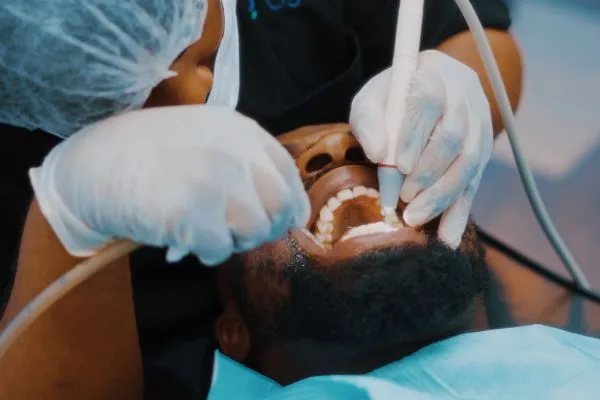
Once the examination is complete, the dental hygienist begins removing plaque and tartar from the teeth. This process is called scaling. Important aspects of this step include:
- Removing hardened tartar that brushing cannot eliminate
- Cleaning around the gum line to prevent gum disease
- Targeting areas where plaque commonly accumulates
Although the scraping sound may feel unusual, the process is typically painless. However, individuals with sensitive teeth or gum inflammation may experience mild discomfort.
Deep Cleaning with Gritty Toothpaste
After scaling is complete, the next step is to polish the teeth with a high-powered electric brush and a special gritty toothpaste. Benefits of polishing include:
- Removing surface stains from food and beverages
- Smoothing the enamel surface
- Giving teeth a brighter and cleaner appearance
Although this toothpaste has a slightly gritty texture, it is safe for occasional professional use and helps enhance overall cleaning effectiveness.
Professional Flossing
After polishing, the dental hygienist performs a professional flossing session. Even if you floss regularly at home, this step helps ensure that any remaining debris or toothpaste particles are removed from between the teeth.
Professional flossing offers several advantages:
- Removes plaque hidden between teeth
- Identifies areas where gums may bleed easily
- Ensures thorough cleaning in tight spaces
Periodontist in Woodbridge VA allows the hygienist to check the condition of the gums and provide helpful advice about improving flossing techniques at home.
Rinsing the Mouth
Following flossing, the patient is usually asked to rinse their mouth with a liquid solution. This rinse helps remove loosened debris and leftover particles from the cleaning process. Rinsing ensures that the mouth is clean and ready for the final stages of the dental cleaning procedure.
Fluoride Treatment
Many professional dental cleanings end with a fluoride treatment, which helps strengthen tooth enamel and protect against cavities.
During this step, the dental professional applies a fluoride gel, foam, or varnish to the teeth. The fluoride is usually left on the teeth for a few minutes so that it can fully absorb into the enamel.
Benefits of fluoride treatment include:
- Strengthening tooth enamel
- Preventing cavities
- Protecting teeth from acid damage
- Supporting long-term oral health
Patients are usually advised not to eat or drink for about 30 minutes after the treatment to allow the fluoride to work effectively.
How Long a Professional Dental Cleaning Takes
A standard dental cleaning typically takes between 30 minutes and one hour, depending on several factors such as:
- The amount of plaque and tartar buildup
- The condition of the gums
- The patient's oral hygiene habits
- Whether additional treatments are required
For individuals with healthy teeth and gums, the cleaning process is usually quick and straightforward.
Tips for Maintaining Clean Teeth Between Dental Visits
Professional dental cleaning is most effective when combined with proper daily oral care. Maintaining good habits between dental visits helps prevent plaque buildup and reduces the risk of Oral Surgery Woodbridge VA.
Here are some important tips to follow:
Brush Twice a Day
Use fluoride toothpaste and brush for at least two minutes to remove plaque and food particles.
Floss Daily
Flossing removes debris between teeth that toothbrush bristles cannot reach.
Limit Sugary Foods and Drinks
Sugar contributes to plaque formation and increases the risk of cavities.
Drink Plenty of Water
Water helps wash away food particles and keeps the mouth hydrated.
Replace Your Toothbrush Regularly
A toothbrush should be replaced every three to four months or sooner if the bristles become worn.
Signs You May Need a Dental Cleaning
While regular checkups are recommended every six months, certain signs may indicate that you should schedule a dental cleaning sooner.
These signs include:
- Persistent bad breath
- Bleeding or swollen gums
- Yellow or brown buildup on teeth
- Tooth sensitivity
- Gum recession
Ignoring these symptoms can lead to more serious dental problems over time, so it is important to seek professional care when needed.
FAQs
How often should I get a professional dental cleaning?
Most dental professionals recommend getting a professional dental cleaning every six months. Regular cleanings help remove plaque and tartar buildup that daily brushing and flossing cannot eliminate.
Is professional dental cleaning painful?
Professional dental cleaning is generally not painful. Most patients experience only mild discomfort during the scaling process, especially if there is significant tartar buildup or gum sensitivity. Dental hygienists use specialized tools and gentle techniques to minimize discomfort.
How long does a dental cleaning appointment take?
A typical dental cleaning appointment lasts between 30 minutes and one hour. The duration depends on the condition of your teeth, the amount of plaque and tartar present, and whether additional treatments such as fluoride application are included.
What is the difference between plaque and tartar?
Plaque is a sticky film of bacteria that forms on teeth throughout the day. It develops when food particles mix with bacteria in the mouth. If plaque is not removed by brushing and flossing, it hardens into tartar.
































Sign in to leave a comment.