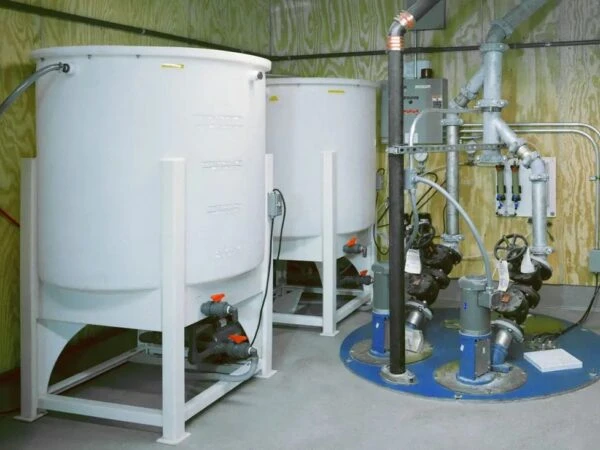

One of the major items of a well-maintained home is a sump pump. It keeps the basement or crawl space dry by draining water during heavy rainfall or spring thaws. Sump pumps, like any other mechanical equipment, require frequent maintenance and, at times, repairs. It is possible to save money, reduce damage, and prolong the life of a pump by learning the right repair techniques.
Understanding Your Sump Pump
Before setting your repair tips, it is helpful to know some basic facts about your sump pump. It has two main varieties: the submersible and the pedestal pumps.
- Submersible pumps are installed in the sump basin to be fully submerged in water, making them quiet and less prone to clogging.
- Pedestal pumps are those in which the motor is mounted above the basin, making them easier to repair but noisier.
Sump Pump Repair Arlington VA is frequently used to prevent the basement from flooding, particularly during heavy precipitation or when the water is above ground. You will find it far easier to make any repairs if you know what kind of pump you are dealing with and what it is made of.
Common Sump Pump Problems
Awareness of common issues is the first step in effective sump pump repair. Here are the problems most homeowners encounter:
- Pump Not Turning On – This could be due to a tripped circuit breaker, a faulty float switch, or a power outage.
- Pump Runs Continuously – Often caused by a stuck float switch or a check valve that isn’t working properly.
- Pump Fails to Remove Water Efficiently – Debris in the sump pit or a clogged discharge pipe can reduce performance.
- Strange Noises – Grinding, rattling, or humming sounds may indicate motor or impeller issues.
Accurately identifying the problem is essential before attempting any repair.
Safety First: Precautions Before Repair
Working with electrical appliances near water can be dangerous. Always take these precautions:
- Turn off the power to the sump pump at the circuit breaker.
- Wear rubber gloves and non-slip footwear to prevent electrical shocks.
- Use insulated tools when working around wiring or the motor.
- If you’re unsure about the repair, call a professional plumber or electrician.
Safety cannot be overstated—it’s better to pay a professional than risk injury or permanent damage.
Step-by-Step Sump Pump Repair Tips
1. Check the Power Source
Many sump pump failures are simple electrical issues. Start by:
- Verifying that the pump is plugged in securely.
- Check the circuit breaker or fuse box for tripped breakers.
- Testing the outlet with another appliance to ensure it’s functioning.
If the outlet or wiring is damaged, contact a licensed electrician.
2. Inspect and Clean the Sump Pit
Debris such as leaves, dirt, and gravel can clog the pump. To clean the pit:
- Carefully remove the pump from the basin.
- Use a bucket or wet-dry vacuum to remove debris.
- Wipe down the pump and the basin walls.
- Reinstall the pump, making sure it sits flat and stable.
A clean sump pit ensures optimal performance and prevents clogging.
3. Test the Float Switch
The float switch tells the pump when to turn on and off. Common problems include:
- Float stuck against the side of the pit
- Debris is preventing full movement
To test:
- Lift the float manually to see if the pump starts.
- Ensure it moves freely up and down without obstruction.
Replacing a faulty float switch is usually inexpensive and can prevent pump failure.
4. Check the Discharge Pipe and Check Valve
Water must flow out efficiently. Problems can occur if:
- The discharge pipe is frozen or blocked
- The check valve is broken, allowing water to flow back into the pit
Inspect the pipe for cracks or clogs. Plumber Chantilly tests the check valve by pouring water into the pipe—water should flow out and not return to the pit. Replace faulty valves promptly.
5. Test the Motor and Impeller
If your pump makes strange noises or fails to move water efficiently, the motor or impeller may be damaged.
- Remove the pump and inspect the impeller for debris or wear.
- For submersible pumps, check the motor seal and housing for leaks.
- If the motor is burned out, replacing the pump is often more cost-effective than repairing it.
Regular Maintenance Tips
Preventive care extends the life of your sump pump. Here’s what you should do:
- Monthly: Test the pump by pouring water into the sump pit. Ensure it turns on and pumps water out properly.
- Quarterly: Clean the pit and inspect the float switch, discharge pipe, and check valve.
- Annually: Consider a professional inspection to check motor function, electrical connections, and overall performance.
Replacing old or worn-out pumps every 5–10 years is recommended to avoid unexpected failure.
Emergency Sump Pump Repairs
Sometimes, sump pumps fail during storms or heavy rains. Quick emergency actions include:
- Using a backup pump or a battery-powered sump pump if your main pump fails.
- Unclogging the discharge line with a plumber’s snake or water hose.
- Removing debris manually if the float is stuck.
Always have a contingency plan to prevent basement flooding.
When to Call a Professional
While many minor repairs are DIY-friendly, some situations require professional help:
- Motor failure or burned-out pump
- Persistent electrical issues
- Frozen or cracked discharge lines
- Repeated clogs or water backup
Licensed plumbers or Water Heater Replacement Sterling VA specialists can provide long-term solutions and prevent recurring problems.
FAQs
How often should I test my sump pump?
You should test your sump pump at least once a month by pouring water into the sump pit to ensure it turns on and pumps water out properly. Regular testing prevents unexpected failures.
Can I repair a sump pump myself?
Yes, minor repairs like cleaning the sump pit, checking the float switch, or unclogging the discharge pipe can be done safely by homeowners. However, electrical issues, motor problems, or frozen pipes are best handled by a professional plumber or electrician.
What causes a sump pump to run continuously?
A sump pump may run continuously if the float switch is stuck, the check valve is malfunctioning, or there is excess water entering the pit. Inspecting these components usually resolves the issue.
How long does a sump pump typically last?
Most sump pumps last 5–10 years depending on usage, maintenance, and water conditions. Regular cleaning and testing can extend the lifespan.































Sign in to leave a comment.