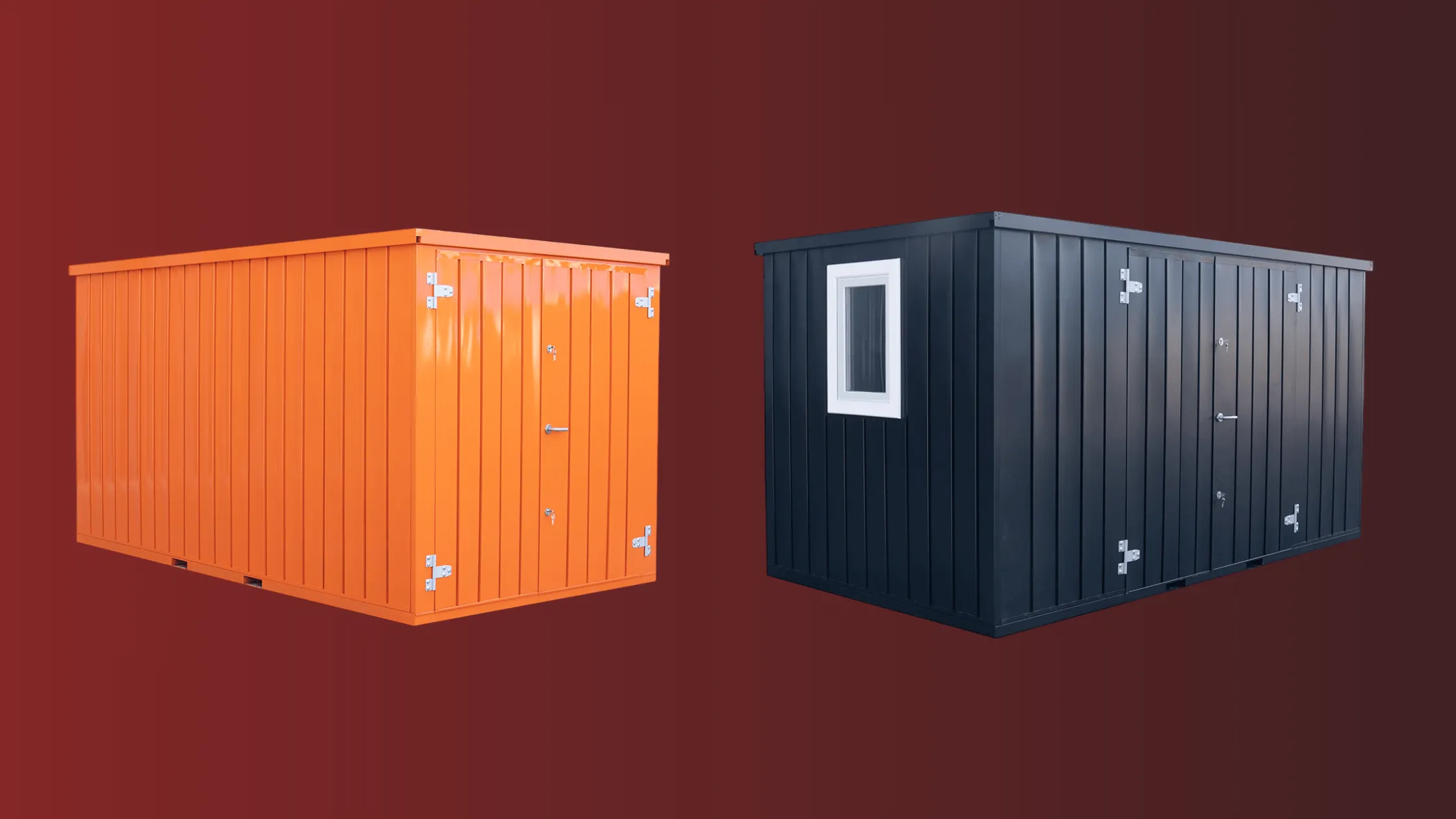
Buying storage lockers for the first time is not complicated, but small oversights tend to show up later. Once lockers are installed and in daily use, the gaps in planning become obvious. Doors loosen, space feels tight, or the layout does not work the way it looked on paper. Getting it right from the start saves time, money, and constant adjustments.
Start With How They Will Be Used
Most first-time buyers thinking about storage lockers in Ontario tend to focus on price or appearance first. That usually leads to compromises later. A locker setup for employees in a warehouse will not hold up the same way as one used by students or gym members. Frequency of use changes everything. High-traffic environments put more strain on hinges, handles, and locks, while occasional use does not demand the same build quality.
Daily habits matter more than most people expect. What are users actually putting inside. Bags, tools, or just a few personal items. How often will the doors open and close. Once you look at it that way, it becomes easier to narrow down which type of locker makes sense instead of relying on guesswork.
Material Matters More Than It Seems
Steel lockers are the standard for a reason. They hold their shape, resist impact, and last longer under regular use. Thinner materials might reduce upfront cost, but they tend to dent and bend with even moderate pressure.
Finish plays a role too. Powder-coated surfaces handle wear better than basic paint. In Ontario, where temperature and humidity levels shift through the year, that extra layer helps prevent rust and surface damage. Once the coating starts to fail, deterioration speeds up.
Choosing the Right Size Without Guesswork
Size selection is where many buyers make avoidable mistakes. Standard sizes look convenient, but they do not always match real storage needs. Depth is often more important than height, especially for items like backpacks, work gear, or equipment cases.
Narrow lockers might help fit more units into a space, but they limit usability. People end up forcing items inside or leaving lockers half-used. On the other side, oversized lockers waste floor space if they are not needed. The better approach is to base dimensions on what will actually be stored rather than relying on typical sizes.
Do Not Overlook Ventilation
Poor airflow inside lockers leads to moisture buildup and odor. This becomes noticeable in shared environments where items stay inside for long periods. Small vents or louvers allow air to circulate and reduce that problem.
It is not a feature people think about during purchase, but it affects long-term usability. Lockers without ventilation tend to develop issues that are hard to fix later.
Locking Options Should Match Daily Use
Locking systems can either simplify or complicate things. Key locks are familiar, but managing keys becomes a problem over time. They get lost, replaced, or shared between users.
Padlock-ready lockers shift responsibility to the user, which works well in many settings. Built-in combination locks are another option for shared environments where access needs to change regularly. The right choice depends on how often lockers change hands and how much control you want over access.
Delivery and Installation Are Part of the Decision
Getting lockers to the site and setting them up is not always straightforward. Fully assembled units save time during installation but can be difficult to move through tight hallways or doorways. This becomes an issue in older buildings or compact layouts.
Flat-pack lockers are easier to transport and assemble on-site. They take more time during setup but solve access problems that pre-assembled units create. The choice depends on the building, not just convenience.
Layout Affects Everyday Use
How lockers are arranged matters more than most buyers expect. Packing as many units as possible into a space might look efficient, but it creates problems once people start using them. Doors need room to open fully, and users need space to stand and move.
Crowded layouts lead to damage over time. Doors hit each other, hinges loosen, and the area becomes difficult to use during busy periods. Leaving proper clearance improves both durability and user experience.
Focus on Durability Over Short Term Savings
Lower-priced lockers often use thinner steel and weaker construction. They may look fine at first, but wear shows up quickly. Doors misalign, locks loosen, and surfaces start to chip.
Spending slightly more on better-built units usually pays off over time. Fewer repairs, longer lifespan, and more consistent performance make a noticeable difference. This is especially true when lockers are used daily.
Work With a Reliable Supplier
Choosing the right supplier is part of the process. Not all lockers are built to the same standard, even if they look similar in photos. A reliable supplier will provide clear specifications, consistent quality, and proper support during purchase and delivery.
For buyers looking for new units, brands like Popup Lockers focus on providing consistent, newly manufactured lockers rather than used or refurbished options. That consistency helps avoid the uneven wear and performance issues that often come with mixed inventory.
Conclusion
Buying storage lockers for the first time comes down to making practical decisions early. Usage, material, size, and layout all play a role in how well the lockers perform over time. Skipping over these details leads to problems that are harder to fix once everything is installed. A careful approach at the start results in a setup that works the way it should without constant adjustments.
FAQs
1. What type of material is best for storage lockers in Ontario?
Steel lockers are generally the better choice due to their strength and resistance to wear. Powder-coated finishes add extra protection against rust and damage.
2. How do I choose the right locker size?
Focus on what users will store. Measure typical items and select dimensions based on those needs rather than relying on standard sizes.
3. Are flat-pack lockers better than pre-assembled ones?
Flat-pack lockers are easier to transport and install in tight spaces. Pre-assembled units save setup time but can be harder to move داخل buildings.
4. What is the best locking option for shared spaces?
Padlock-compatible lockers or built-in combination locks usually work well, as they reduce the need for key management.
5. How important is ventilation in storage lockers?
Ventilation helps prevent moisture buildup and odor. It improves long-term usability, especially in environments where lockers are used daily.

























Sign in to leave a comment.