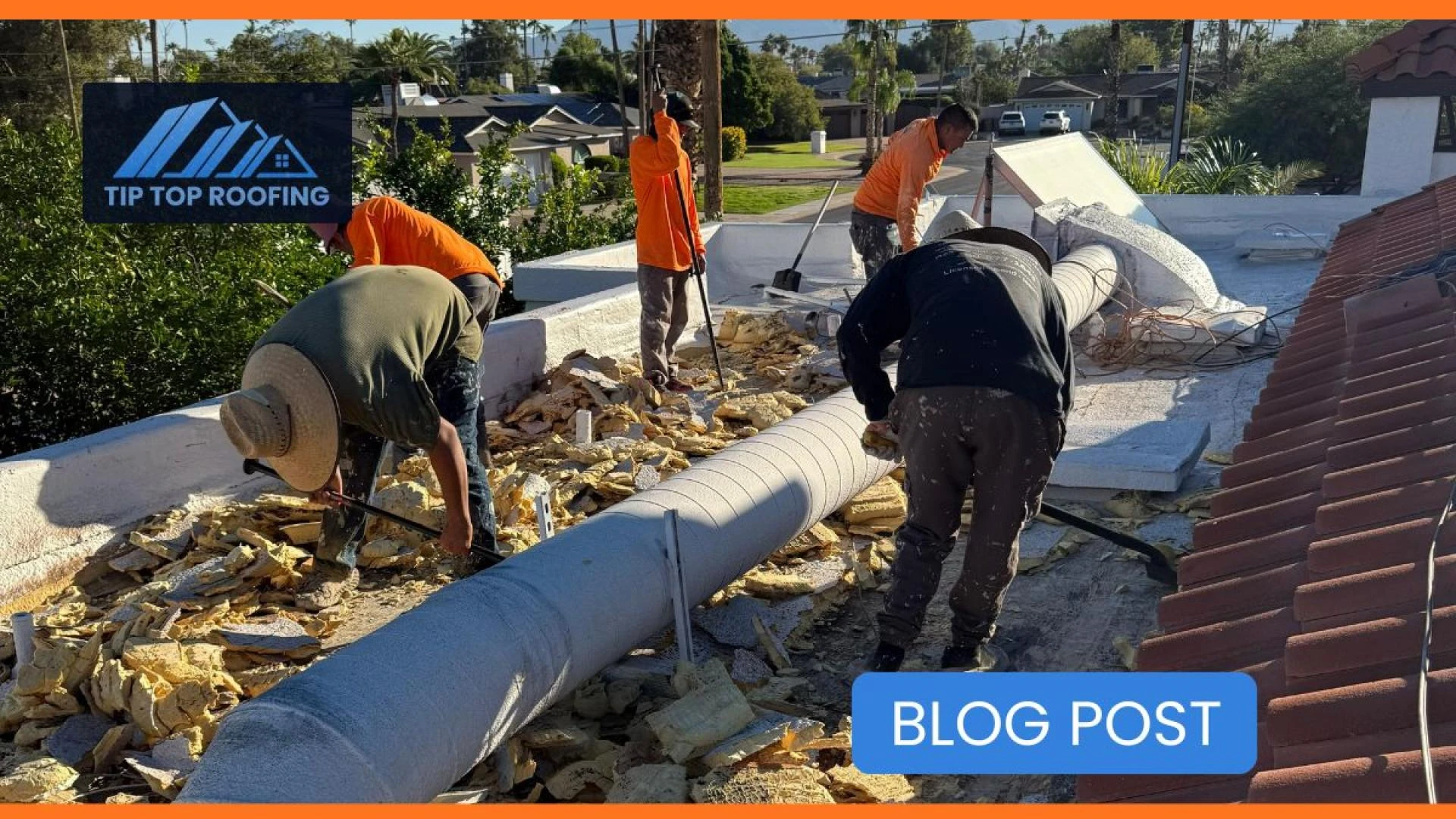

Scottsdale homeowners are no strangers to extreme weather. While Arizona is known for heat and sunshine, monsoon season brings sudden storms with high winds, heavy rain, dust, and flying debris—all of which can cause serious roof damage in a very short time. Unfortunately, storm-related roofing problems are often not immediately visible, allowing damage to worsen quietly over time.
If you’re concerned about storm damage roofing in Scottsdale, AZ, this guide explains how monsoon storms affect local roofs, common signs of damage, and what steps homeowners should take after a storm to protect their property. At Tip Top Roofing Service, we help Scottsdale residents identify and repair storm-related roof damage before it leads to costly interior repairs.
How Monsoon Storms Damage Roofs in Scottsdale
Monsoon storms are different from typical rainstorms. They arrive suddenly and bring a combination of wind, rain, and debris that places intense stress on roofing systems.
Scottsdale roofs during monsoon season face:
- Wind-driven rain that penetrates small gaps
- Strong gusts that lift or shift roofing materials
- Flying debris that cracks tiles or punctures membranes
- Dust accumulation that blocks drainage systems
- Rapid temperature changes before and after storms
Even a roof that appears intact from the ground may suffer hidden damage after a storm.
A professional inspection by a local roofing contractor is often the only way to confirm the roof’s condition.
Common Types of Storm Damage on Scottsdale Roofs
Cracked or Broken Roof Tiles
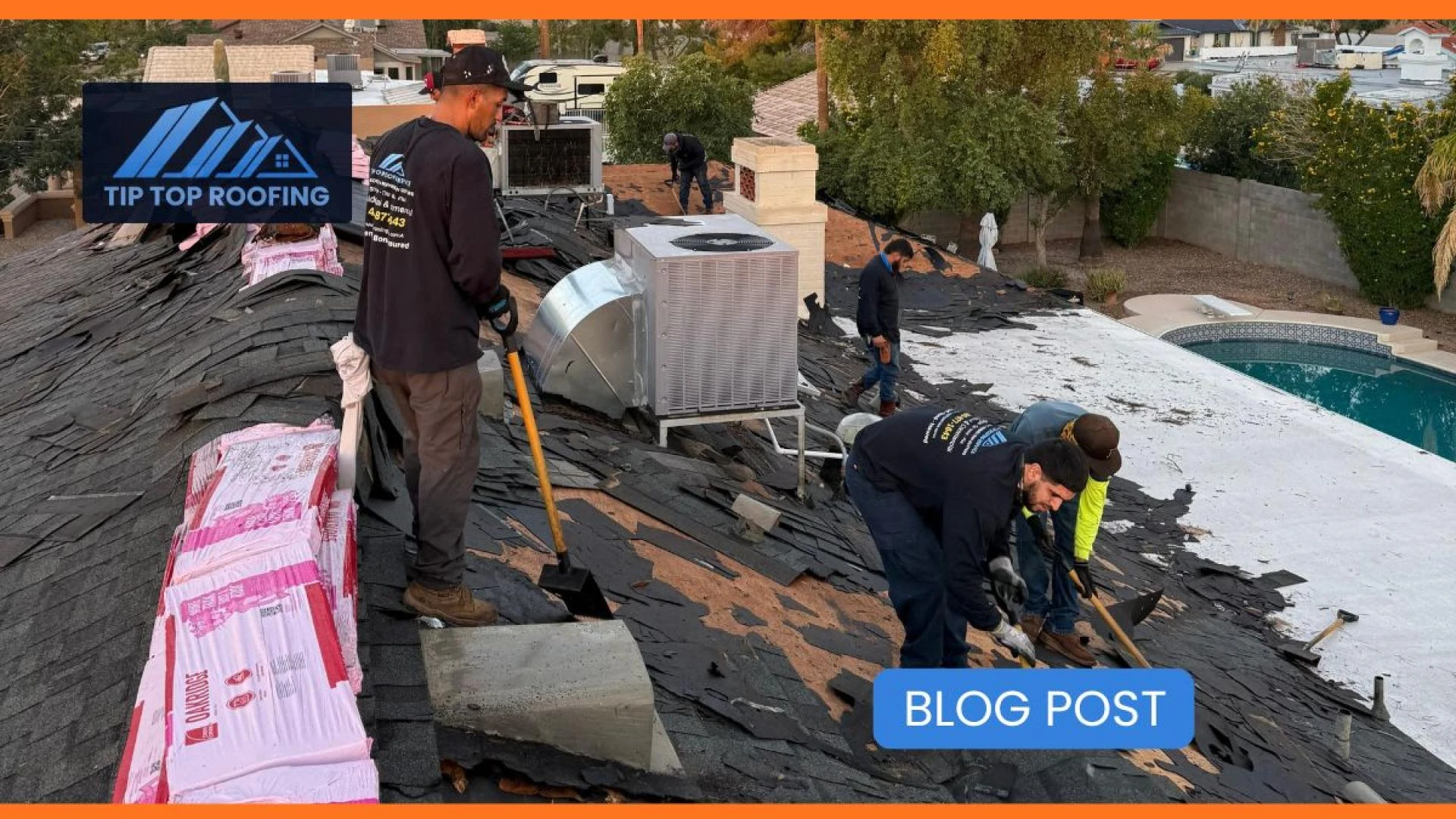
High winds and debris can crack or dislodge clay or concrete tiles, exposing the underlayment beneath.
Lifted or Missing Shingles
Wind gusts can loosen shingles, breaking their seal and allowing water intrusion.
Flashing Damage
Metal flashing around vents, chimneys, and skylights often loosens during storms, creating leak points.
Flat Roof Membrane Damage
Flat roofs may experience seam separation, punctures, or ponding water after heavy rain.
Hidden Underlayment Failure
Water intrusion can compromise underlayment even when surface materials look fine.
A trusted roofing company can identify both visible and hidden storm damage.
Warning Signs of Storm Damage After a Monsoon
Homeowners should schedule an inspection if they notice:
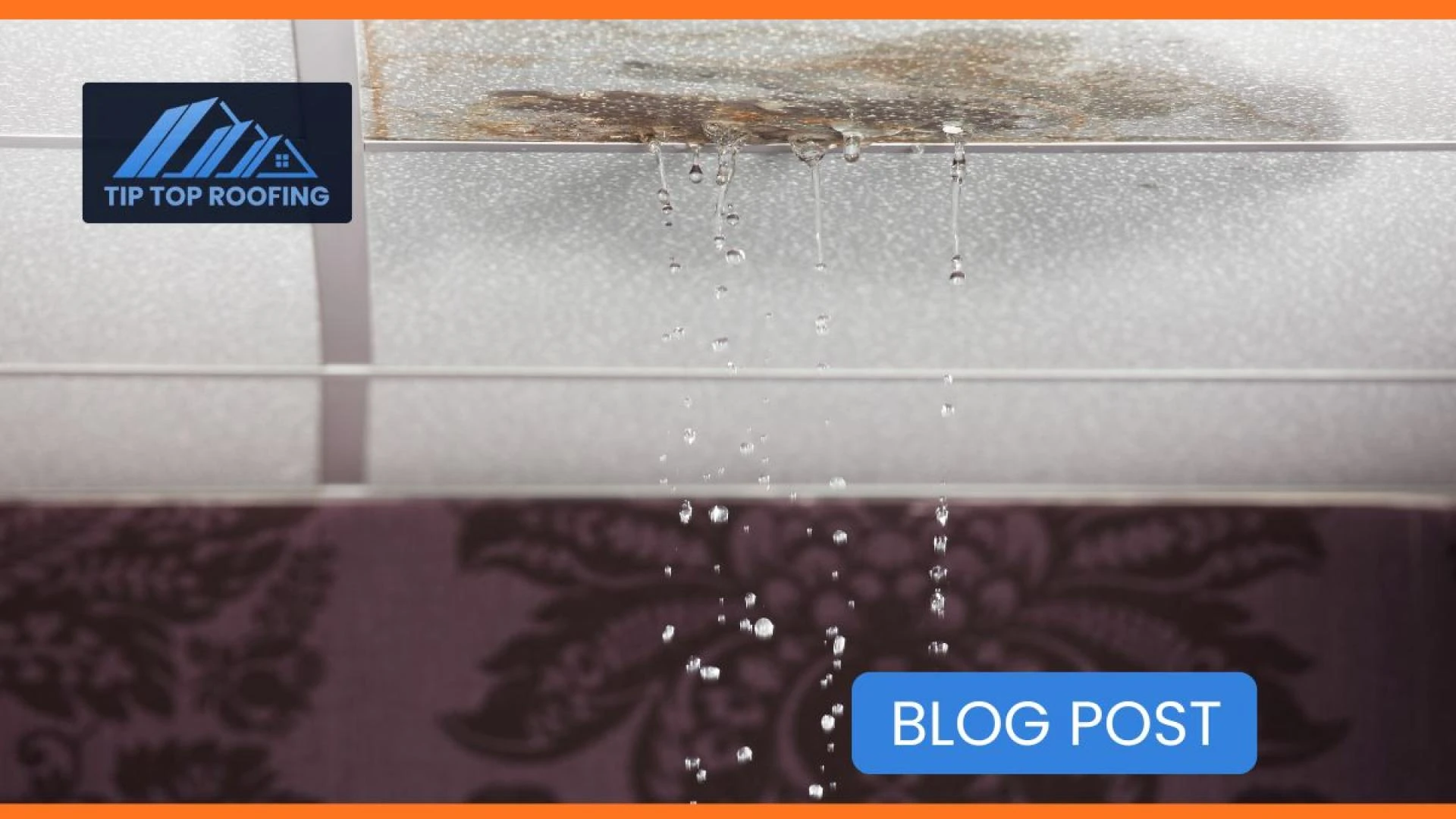
- Water stains on ceilings or walls
- Dripping or moisture in attic spaces
- Cracked, shifted, or missing tiles
- Debris on the roof or in gutters
- Sudden increase in cooling bills
- Musty odors inside the home
These signs often indicate roof damage that needs immediate attention.
Why Storm Damage Should Be Repaired Quickly
In Scottsdale’s climate, storm damage worsens quickly due to ongoing heat exposure.
Delaying repairs can lead to:
- Expanded water damage
- Mold growth
- Structural deterioration
- Insulation damage
- Higher repair costs
Addressing storm damage early protects both your roof and your home’s interior.
Storm Damage Roof Repair vs Replacement
Not all storm damage requires full roof replacement.
Roof Repair Is Often Enough When:
- Damage is localized
- Roofing materials are still flexible
- Underlayment remains intact
- Structural components are sound
Roof Replacement May Be Needed When:
- Damage is widespread
- Underlayment is saturated or failing
- Leaks are recurring
- Roof is near end-of-life
A professional evaluation helps determine the most cost-effective solution.
The Role of Roof Inspections After Storms
Post-storm roof inspections are essential—even if no damage is immediately visible.
Inspections help:
- Identify hidden damage
- Prevent small issues from escalating
- Document roof condition
- Plan timely repairs
A local storm damage roofing contractor understands Scottsdale’s weather patterns and common failure points.
How Storm Damage Affects Energy Efficiency
Storm-damaged roofs often allow heat into attic spaces, increasing cooling costs.
Proper storm damage repair helps:
- Restore thermal protection
- Improve attic ventilation
- Reduce HVAC strain
- Maintain indoor comfort
Many homeowners notice energy improvements after storm-related roof repairs.
Storm Damage and Insurance Considerations
Some storm damage may be covered by homeowners insurance. A professional roofing contractor can:
- Document damage clearly
- Provide repair estimates
- Help homeowners understand repair scope
Even when insurance is involved, timely inspections are critical to prevent further damage.
Flat Roof Storm Damage in Scottsdale
Flat roofs are especially vulnerable during monsoon storms.
Common flat roof storm issues include:
- Ponding water
- Membrane punctures
- Seam separation
- Drain blockages
Routine inspections and maintenance reduce storm-related risks.
Preventing Future Storm Damage
While storms can’t be avoided, proper maintenance reduces damage risk.
Preventive steps include:
- Annual roof inspections
- Pre-monsoon maintenance
- Clearing debris from roof and drains
- Prompt repair of minor issues
Proactive care significantly extends roof lifespan.
Why Local Scottsdale Experience Matters
Storm damage roofing requires local expertise. Scottsdale roofers understand:
- Monsoon storm behavior
- Desert material performance
- Common wind-related failure points
- Local building codes and roof designs
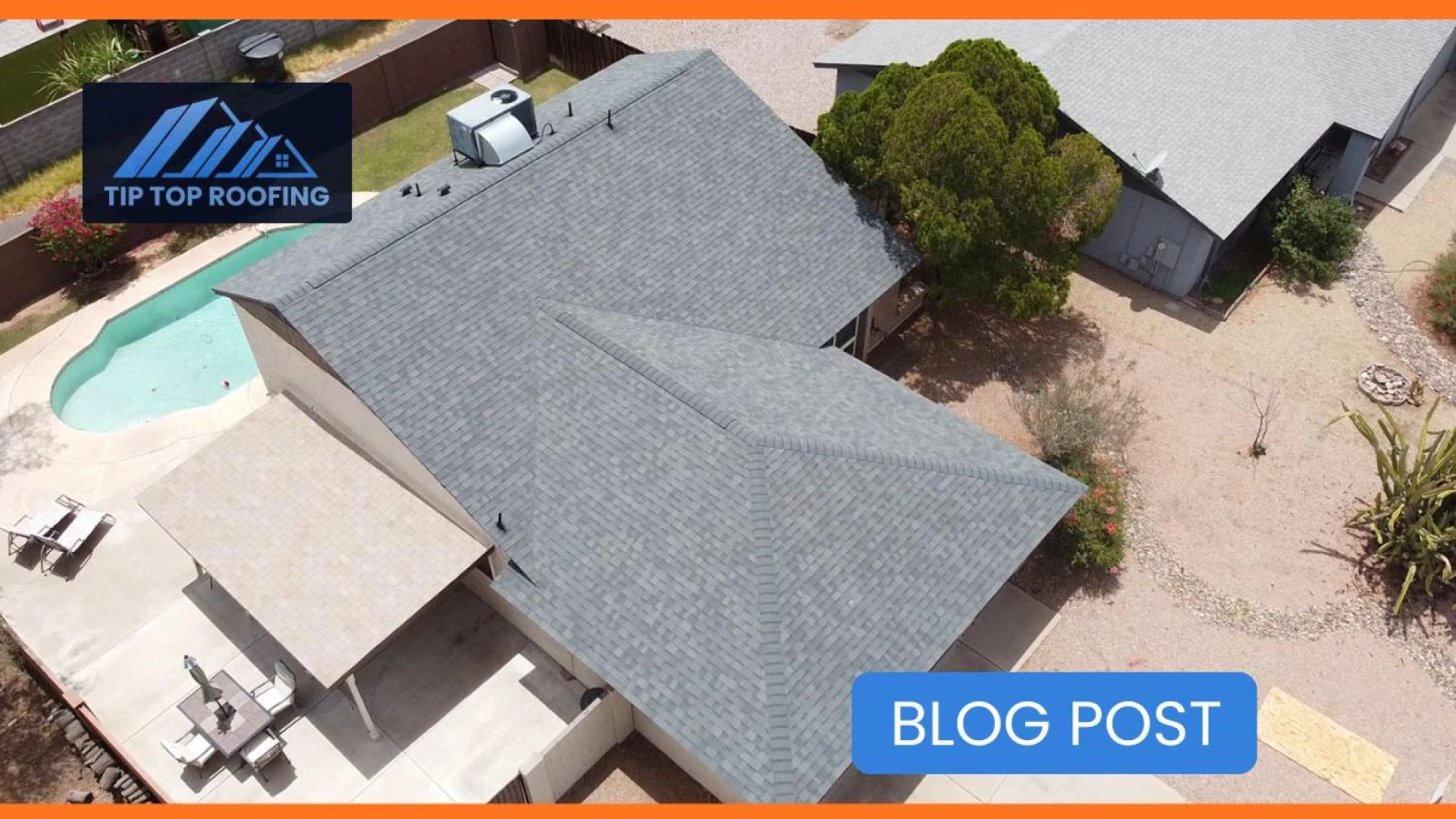
Hiring a local roofing contractor near you ensures accurate assessments and durable repairs.
Why Scottsdale Homeowners Trust Tip Top Roofing Service
Homeowners across Scottsdale rely on Tip Top Roofing Service for storm damage roofing solutions.
✔ Scottsdale and Phoenix Metro expertise
✔ Thorough storm damage inspections
✔ Honest repair recommendations
✔ Residential and commercial roofing services
✔ Long-term protection focus
Schedule a Storm Damage Roof Inspection in Scottsdale
If your home has recently experienced a monsoon storm—or if it’s been a while since your last inspection—now is the right time to check your roof. Storm damage doesn’t always show immediately, but it rarely fixes itself.
Tip Top Roofing Service
📞 (480) 877-1643


























Sign in to leave a comment.