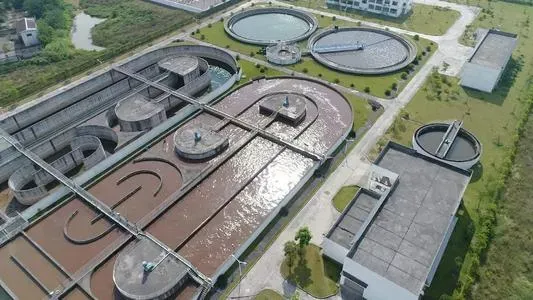

Managing industrial liquid waste is a complex challenge that requires the right technological foundation. Advanced water treatment solutions provide the necessary tools for companies to effectively remove pollutants and suspended matter. By adopting these methods, organizations can successfully align their production goals with strict environmental mandates, fostering a more sustainable and efficient workplace that is prepared for the challenges of modern industrial regulations.
Modern Filtration and Settling Techniques
Inclined Plate Clarification
Lamella settlers are an exceptional solution for industries seeking to optimize their footprint while maximizing separation performance. The use of inclined plates allows for a significant increase in the effective settling area without expanding the physical tank size. This makes them highly effective for space-constrained industrial environments that need to handle high throughput of suspended solids in their water treatment cycles.
Enhancing Sludge Dewatering
After the primary separation, the remaining sludge must be managed efficiently. Screw press dewatering machines represent a major advancement in solid-liquid separation technology. They apply strong extrusion forces to extract water from sludge, resulting in a drier cake that is easier and cheaper to transport. This process is essential for reducing the overall environmental impact of a facility's waste management operations.
Tailored Industrial Solutions
Meeting Sector-Specific Needs
Different industries, from pharmaceutical manufacturing to large-scale food processing, have unique effluent profiles. Professional providers recognize that a one-size-fits-all approach is rarely effective. By designing tailored plans, providers ensure that the water treatment equipment installed specifically addresses the unique chemical and physical properties of a client's waste, leading to better outcomes and lower total costs.
Managing Mechanical Infrastructure
Reliability is the foundation of any long-term environmental project. Utilizing equipment like center-drive scrapers and fine bar screens ensures that the facility operates smoothly. These mechanical components are designed for high-stress environments, providing the durability needed for 24/7 operations. Maintaining this infrastructure is key to avoiding costly repairs and ensuring consistent discharge quality that meets all relevant local and international standards.
Conclusion
Achieving operational excellence requires a dedicated focus on the quality and reliability of environmental protection systems. By investing in modern technology and tailored design, industrial plants can secure their compliance and improve their overall efficiency.
Ultimately, the commitment to effective water treatment is a commitment to the future of the environment and the business itself. By focusing on sustainable separation and dewatering methods, companies can build a legacy of responsibility while maintaining the high standards expected in today's global industrial sector.



























Sign in to leave a comment.