
School dismissal time is often one of the busiest and most chaotic parts of the school day. Hundreds of students are leaving, parents are arriving, buses are moving, and staff are coordinating—all within a limited time window. Without a structured system, this process can become confusing and even risky.
That’s why many schools are now adopting a dismissal app for schools along with a well-designed reunification plan for schools. Together, these solutions help schools create a safer, faster, and more organized pickup process while improving communication and accountability.
1. Why Traditional Dismissal Processes Create Challenges
In many schools, dismissal still relies on manual coordination such as paper pickup notes, walkie-talkies, or verbal instructions. While these methods may work in small settings, they quickly break down as school size increases.
Common issues include:
- Long waiting times for parents
- Confusion about pickup authorization
- Miscommunication between staff members
- Congestion in pickup zones
- Difficulty tracking student departures
These inefficiencies not only waste time but can also create safety concerns during busy dismissal hours.
2. How a Dismissal App for Schools Transforms the Process
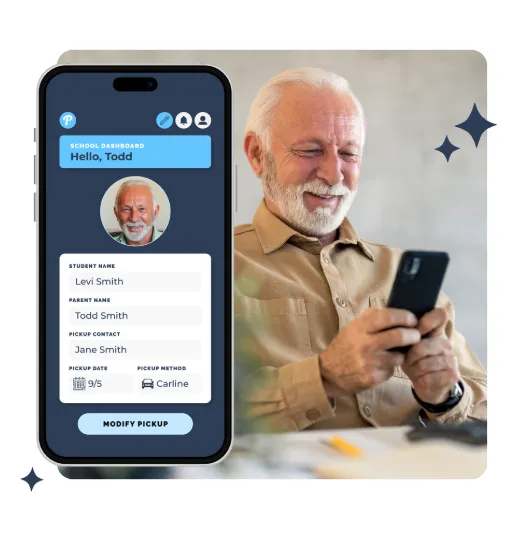
A modern dismissal app for schools replaces manual coordination with a structured digital system that automates and streamlines student release.
Key capabilities include:
- Real-time pickup requests from parents
- Automated student release notifications
- Digital verification of authorized guardians
- Queue management for pickup lines
- Instant communication between staff and parents
- Integration with attendance and safety systems
Instead of relying on phone calls or handwritten notes, everything is managed in one centralized platform.
This ensures that dismissal becomes faster, more predictable, and significantly safer.
3. Improving Safety Through Secure Pickup Systems
Safety is the most important aspect of school dismissal. A secure pickup system ensures that students are released only to approved individuals.
With a dismissal app for schools, schools can:
- Maintain verified pickup lists for each student
- Require ID confirmation or digital authentication
- Track who picked up each student and when
- Prevent unauthorized pickups
- Log all dismissal activity for auditing
This reduces risk and gives parents peace of mind knowing their child is only released through a secure process.
4. The Role of a Reunification Plan for Schools
A reunification plan for schools is a structured strategy designed to safely reunite students with parents or guardians during emergencies or unexpected disruptions.
While dismissal handles daily operations, reunification ensures schools are prepared for crisis situations such as:
- Natural disasters
- Lockdowns
- Power outages
- Security incidents
- Early school closures
Key elements of a strong reunification plan include:
- Clearly defined pickup locations
- Verified guardian authorization systems
- Communication protocols for parents and staff
- Student tracking and accountability systems
- Emergency staffing roles and responsibilities
When integrated with a dismissal app, the transition from normal dismissal to emergency reunification becomes smooth and controlled.
5. Faster Communication with Parents and Staff
One of the biggest advantages of using a dismissal app for schools is improved communication.
Schools can instantly:
- Notify parents when dismissal begins
- Alert staff about pickup changes
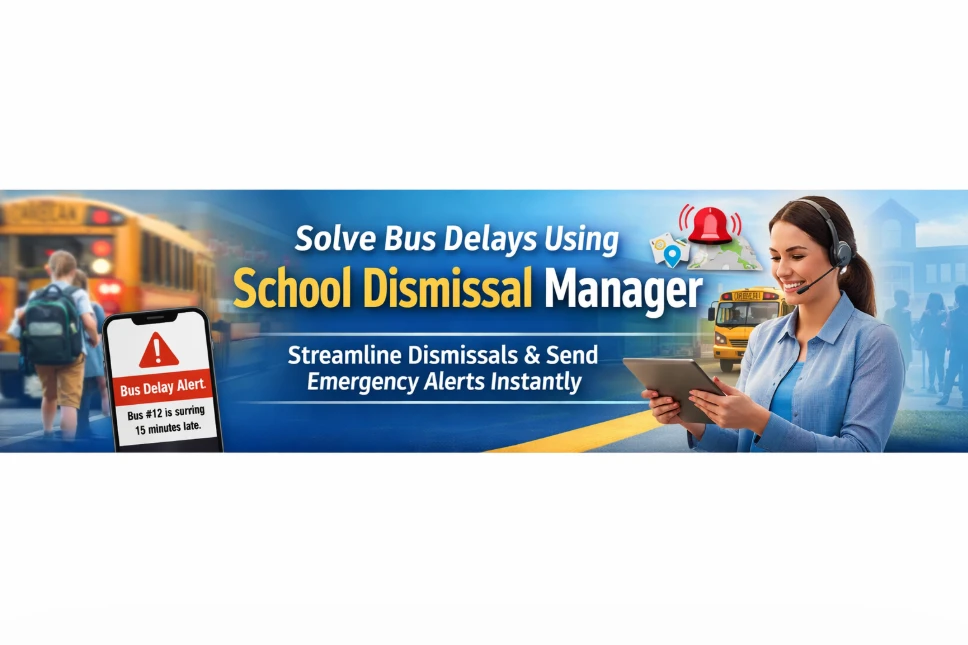
- Send real-time updates about delays or emergencies
- Confirm student release status
- Share instructions during special situations
This eliminates confusion and reduces the need for constant phone calls or manual updates.
Clear communication is especially important during peak dismissal hours when timing is critical.
6. Reducing Congestion and Improving Traffic Flow
Pickup congestion is a common problem in school environments. A structured digital system helps manage traffic more efficiently.
A dismissal app can:
- Stagger pickup times
- Assign designated pickup zones
- Reduce overcrowding in waiting areas
- Notify parents when their child is ready
- Improve coordination between buses and private vehicles
This creates a smoother flow of movement and reduces stress for both staff and parents.
7. Enhancing Staff Efficiency and Coordination
Teachers and administrative staff often spend significant time managing dismissal logistics. A digital system reduces this burden.
With automation in place, staff can:
- Focus less on manual coordination
- Track student departures in real time
- Quickly resolve pickup issues
- Coordinate more effectively with security and front office teams
This improves efficiency and ensures that dismissal runs smoothly every day.
8. Connecting Dismissal Systems with Reunification Planning
The true strength of a modern school safety system lies in integration.
When a dismissal app for schools is connected to a reunification plan for schools, schools benefit from:
- A single verified database of student pickup information
- Seamless transition from daily dismissal to emergency response
- Faster student release during crises
- Reduced duplication of processes
- Improved accuracy and accountability
This integrated approach ensures schools are prepared for both routine and emergency situations.
9. Building Trust with Parents and Guardians
Parents want assurance that their children are safe during dismissal. Secure digital systems build that trust by offering:
- Transparency in pickup procedures
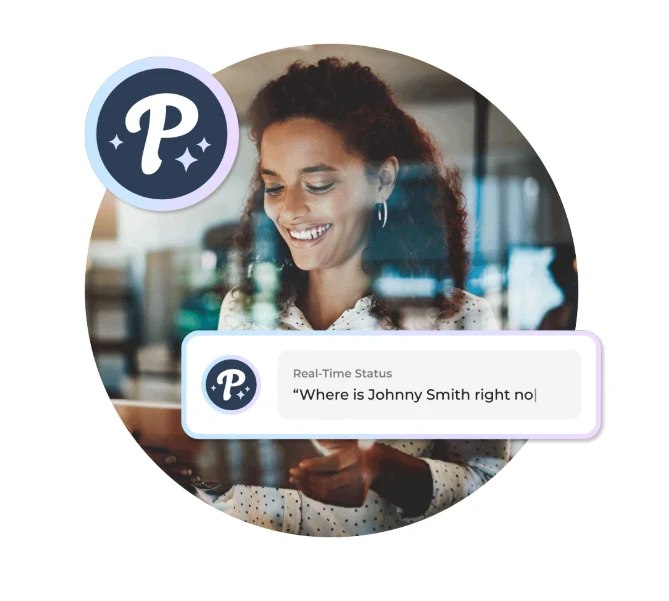
- Real-time updates on student status
- Reliable authorization controls
- Faster and more organized dismissal experience
When parents experience consistent efficiency, confidence in the school system increases significantly.
10. Future of School Dismissal and Safety Systems
As schools continue to adopt digital transformation, dismissal systems are becoming smarter and more automated.
Future developments may include:
- AI-powered pickup predictions
- Facial recognition for secure verification
- Automated traffic optimization
- Predictive safety alerts
- Fully integrated school safety ecosystems
These innovations will further improve both efficiency and student protection.
Conclusion
A dismissal app for schools combined with a well-designed reunification plan for schools creates a powerful framework for managing both everyday pickups and emergency situations.
By streamlining communication, improving safety, reducing congestion, and enhancing staff coordination, schools can transform dismissal from a stressful routine into a smooth and secure process.
In today’s education environment, adopting smart dismissal systems is not just a convenience—it is a critical step toward building safer and more efficient schools.
FAQ
1. What is a dismissal app for schools?
A dismissal app for schools is a digital platform that manages student pickup processes, allowing real-time communication, verification, and tracking of student departures.
2. How does a dismissal app improve school safety?
It ensures only authorized guardians can pick up students and provides real-time tracking of all dismissal activities.
3. What is a reunification plan for schools?
A reunification plan is a structured strategy used to safely and efficiently reunite students with parents during emergencies or unexpected events.
4. How do dismissal apps reduce congestion?
They help organize pickup times, assign zones, and notify parents when students are ready, reducing traffic buildup.
5. Can dismissal apps be used during emergencies?
Yes, they often integrate with reunification plans to manage student release during crises efficiently.
6. Why is integration between dismissal systems and reunification plans important?
It ensures a seamless transition between daily operations and emergency procedures, improving safety and efficiency.

























Sign in to leave a comment.