

In today’s data-driven world, managing information effectively is crucial. Whether you're an individual, a small business, or a large enterprise, the right network storage solution can make all the difference. In this blog post, we will explore how advanced NAS (Network Attached Storage) solutions can help streamline your workflow, enhance data management, and pave the way for more efficient operations.
Introduction to NAS and Its Growing Importance
Network Attached Storage (NAS) has become a staple in modern data management. A NAS device acts as a dedicated file server, providing centralized storage and access to data across a network. This technology is transforming how we store, share, and secure information, making it indispensable for both personal and professional use.
NAS storage solutions offer several advantages over traditional storage methods. With the increasing volume of data generated daily, the need for efficient and scalable storage solutions has never been greater. NAS provides a reliable way to manage data, ensuring that it is readily accessible and secure.
The Benefits of NAS Storage Solutions
Enhanced Data Security and Accessibility
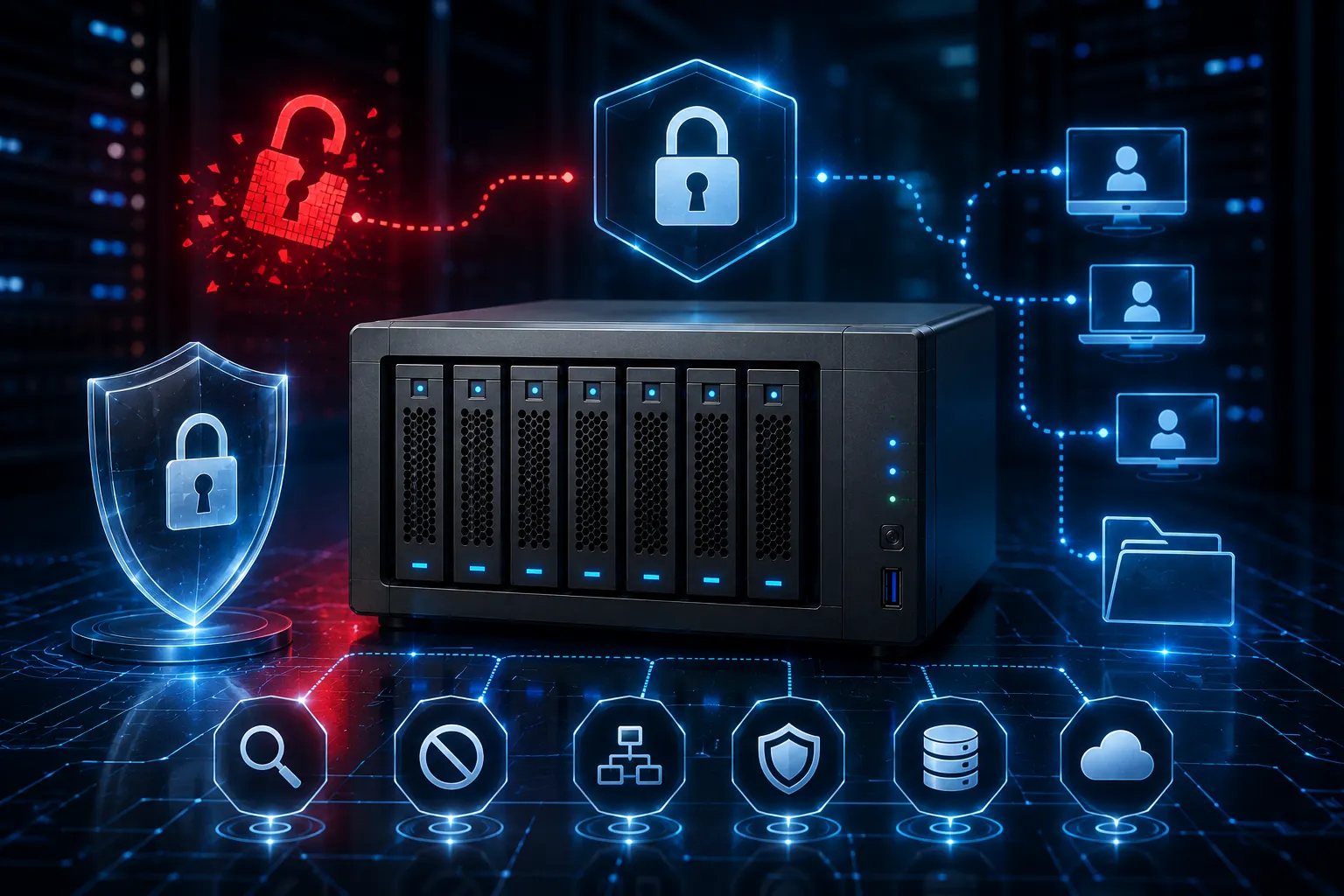
One of the primary benefits of NAS storage solutions is enhanced data security. NAS devices often come with built-in data protection features such as RAID (Redundant Array of Independent Disks) configurations, which provide redundancy and protect against data loss. Additionally, NAS devices can be equipped with encryption and password protection to safeguard sensitive information.
Accessibility is another key advantage. NAS allows users to access their data from anywhere within the network, making it ideal for remote work and collaboration. Whether you're at home, in the office, or on the go, your data is always within reach.
Cost Savings and Scalability
Cost-effectiveness is a significant benefit of NAS storage solutions. Compared to traditional server-based storage, NAS devices are generally more affordable and easier to set up. They also require less maintenance, reducing overall IT costs.
Scalability is another major advantage. NAS solutions can easily be expanded by adding more storage drives, allowing businesses to grow their storage capacity as needed. This flexibility makes NAS an excellent long-term investment for businesses of all sizes.
Streamlined Workflows and Collaboration
NAS storage solutions can significantly streamline workflows by centralizing data storage and making it easily accessible to all team members. This centralization eliminates the need for multiple copies of files and reduces the risk of version conflicts.
Collaboration is also enhanced with NAS. Team members can work on the same files simultaneously, making it easier to collaborate on projects and share information. NAS devices often come with collaboration tools such as shared folders and user permissions, further facilitating teamwork.
Types of NAS Devices and How They Work
Entry-Level NAS Devices for Personal and Home Office Use
Entry-level NAS devices are perfect for individuals and home offices. These devices are typically affordable and easy to set up, offering basic storage and backup capabilities. They are ideal for storing personal files, media libraries, and small business documents.
Mid-Range NAS for Small to Medium Businesses
Mid-range NAS devices are designed for small to medium-sized businesses. They offer more storage capacity and advanced features such as RAID configurations and multiple drive bays. These devices provide a balance between cost and performance, making them suitable for a variety of business applications.
High-End NAS for Enterprise-Level Storage Needs
High-end NAS devices are built for enterprise-level storage requirements. These devices offer the highest storage capacities, performance, and security features. They are equipped with multiple drive bays, dual power supplies, and advanced data protection mechanisms. High-end NAS devices are ideal for businesses with large-scale data storage needs and mission-critical applications.
Key Features to Look for in NAS Storage Solutions
Capacity and Scalability
When choosing a NAS storage solution, capacity and scalability are crucial factors to consider. Your NAS device should have enough storage space to meet your current needs and the ability to expand as your data grows. Look for devices with multiple drive bays and support for various drive capacities.
RAID Configurations and Data Protection
RAID configurations provide data redundancy and protection against drive failures. Different RAID levels offer varying degrees of performance and fault tolerance. Ensure your NAS device supports the RAID level that best suits your needs.
Dual LAN Ports and Data Transfer Speeds
Dual LAN ports enhance data transfer speeds and provide network redundancy. This feature is particularly important for businesses that require high-speed data access and uninterrupted network connectivity. Look for NAS devices with Gigabit Ethernet or faster connectivity options.
Compatibility with Various Devices and Operating Systems
NAS devices should be compatible with a wide range of devices and operating systems. This ensures that all users within your network can access the stored data, regardless of the platform they are using. Check for compatibility with Windows, macOS, Linux, and mobile devices.
Case Studies: Real-World Examples of NAS Benefits
Small Business Success with NAS
A small graphic design firm implemented a mid-range NAS solution to centralize its project files. This change led to improved collaboration among team members, faster access to design assets, and enhanced data security. The firm also benefited from reduced IT costs and simplified data management.
Personal Use of NAS for Media Storage
An avid photographer used an entry-level NAS device to store and organize her vast collection of photos and videos. The NAS provided a reliable backup repository solution and allowed her to access her media library from any device. This setup streamlined her workflow and ensured the safety of her valuable memories.
Enterprise-Level NAS for Data-Intensive Applications
A large financial institution adopted a high-end NAS solution to manage its growing data storage needs. The NAS provided the necessary storage capacity, security features, and performance to support the institution's mission-critical applications. This implementation resulted in improved data management, enhanced security, and increased operational efficiency.
Tips for Choosing the Right NAS Storage Solution
Assessing Your Storage Requirements
Before selecting a NAS storage solution, assess your storage requirements. Consider the type and volume of data you need to store, as well as your access and performance needs. This evaluation will help you choose a NAS device with the appropriate capacity and features.
Budget Considerations and Long-Term Planning
Budget is a critical factor when selecting a NAS solution. While entry-level devices are more affordable, mid-range and high-end devices offer better performance and advanced features. Consider your long-term needs and choose a NAS device that provides the best value for your investment.
Compatibility with Current IT Infrastructure
Ensure that the NAS device you choose is compatible with your current IT infrastructure. This includes network connectivity, operating systems, and existing hardware. Compatibility will ensure seamless integration and optimal performance.
Future Trends in NAS Technology
AI Integration for Predictive Maintenance and Data Insights
AI integration is a growing trend in NAS technology. AI can be used for predictive maintenance, identifying potential issues before they become critical. Additionally, AI-powered analytics can provide valuable data insights, helping businesses make informed decisions.
Increased Focus on Data Privacy and Security
Data privacy and security are becoming increasingly important. Future NAS solutions will likely focus on enhancing these aspects, with features such as advanced encryption, secure access controls, and compliance with data protection regulations.
The Role of NAS in Remote Work and Hybrid Cloud Solutions
The rise of remote work and hybrid cloud solutions is shaping the future of NAS technology. NAS devices will play a crucial role in providing secure, reliable, and accessible storage for remote workers. Integration with cloud services will offer additional flexibility and scalability.
Conclusion
Advanced NAS storage solutions are transforming the way we manage data. From enhanced data security and accessibility to cost savings and streamlined workflows, NAS offers numerous benefits for individuals and businesses alike. By choosing the right NAS solution, you can revolutionize your workflow, improve data management, and prepare for future challenges.
Ready to take the next step? Explore our range of NAS storage solutions and find the perfect fit for your needs. Start streamlining your workflow today and experience the difference advanced NAS technology can make.



























Sign in to leave a comment.