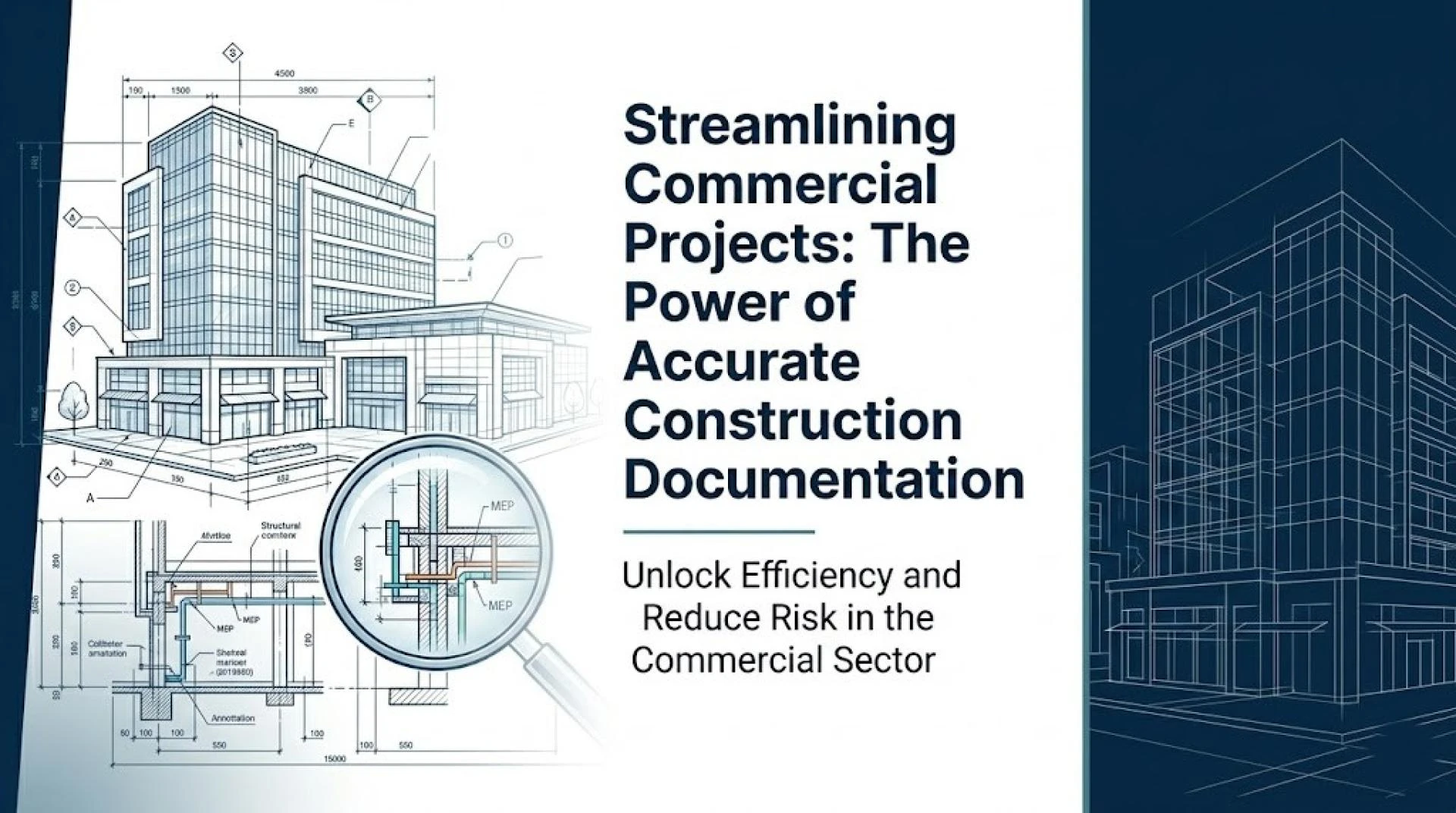

In the high-stakes world of commercial real estate, the margin for error is razor-thin. Whether you are developing a retail complex or a high-rise office hub, the success of the project rarely depends on the initial "big idea." Instead, it hinges on the technical execution's precision. This is where accurate construction documentation (CD) becomes the unsung hero of the job site.
Beyond the Blueprints
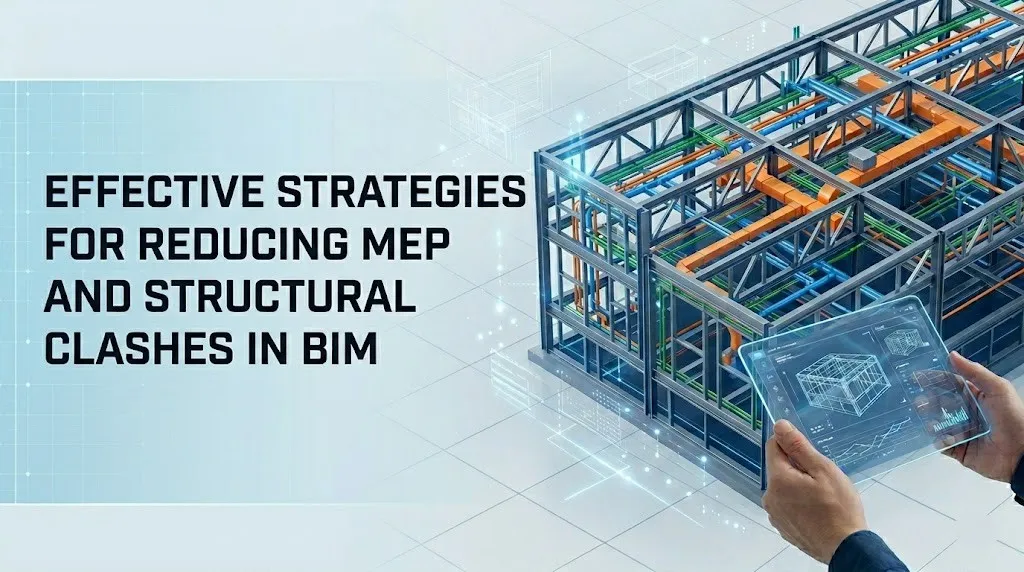
For many, "documentation" sounds like a back-office administrative task. However, in 2026, it is the backbone of risk management. Inaccurate drawings are responsible for nearly 30% of all rework on commercial sites. When a mechanical duct clashes with a structural beam because the drawings didn't account for field tolerances, the schedule doesn't just slip—the budget bleeds.
High-quality CDs do more than just show where walls go; they serve as a definitive communication bridge between the architect’s intent and the contractor’s reality. When every bolt, conduit, and partition is documented with millimetric precision, you eliminate the "guesswork" that often leads to costly Change Orders.
Real-World Efficiency in Action
We are seeing a massive shift toward Revit-based documentation to handle the complexity of modern builds. A perfect example of this can be seen in a recent Revit construction documentation for a commercial building case study, where the transition to a coordinated BIM environment reduced onsite queries (RFIs) by over 20%. By creating a "digital rehearsal" of the building, the team was able to identify 150+ potential clashes before a single shovel hit the ground.
3 Keys to High-Impact Documentation
To ensure your commercial project remains streamlined, your documentation strategy should prioritise:
- Interdisciplinary Coordination: Ensure that MEP, structural, and architectural sets are not just complete, but "federated"—meaning they work in total harmony.
- Clear Annotations and Specifications: Don't leave room for interpretation. The more detailed the specifications, the more accurate the bidding process will be.
- Version Control: In a fast-paced commercial project, working off an outdated drawing set is a recipe for disaster. Utilize a Common Data Environment (CDE) to ensure everyone is looking at the "Single Source of Truth."
Accurate documentation is an investment, not an overhead. By spending time getting the details right in the virtual phase, you secure the profitability of the physical phase. As commercial projects become more complex and timelines more aggressive, the quality of your paper (or digital) trail will determine your project's ultimate success.





















Sign in to leave a comment.