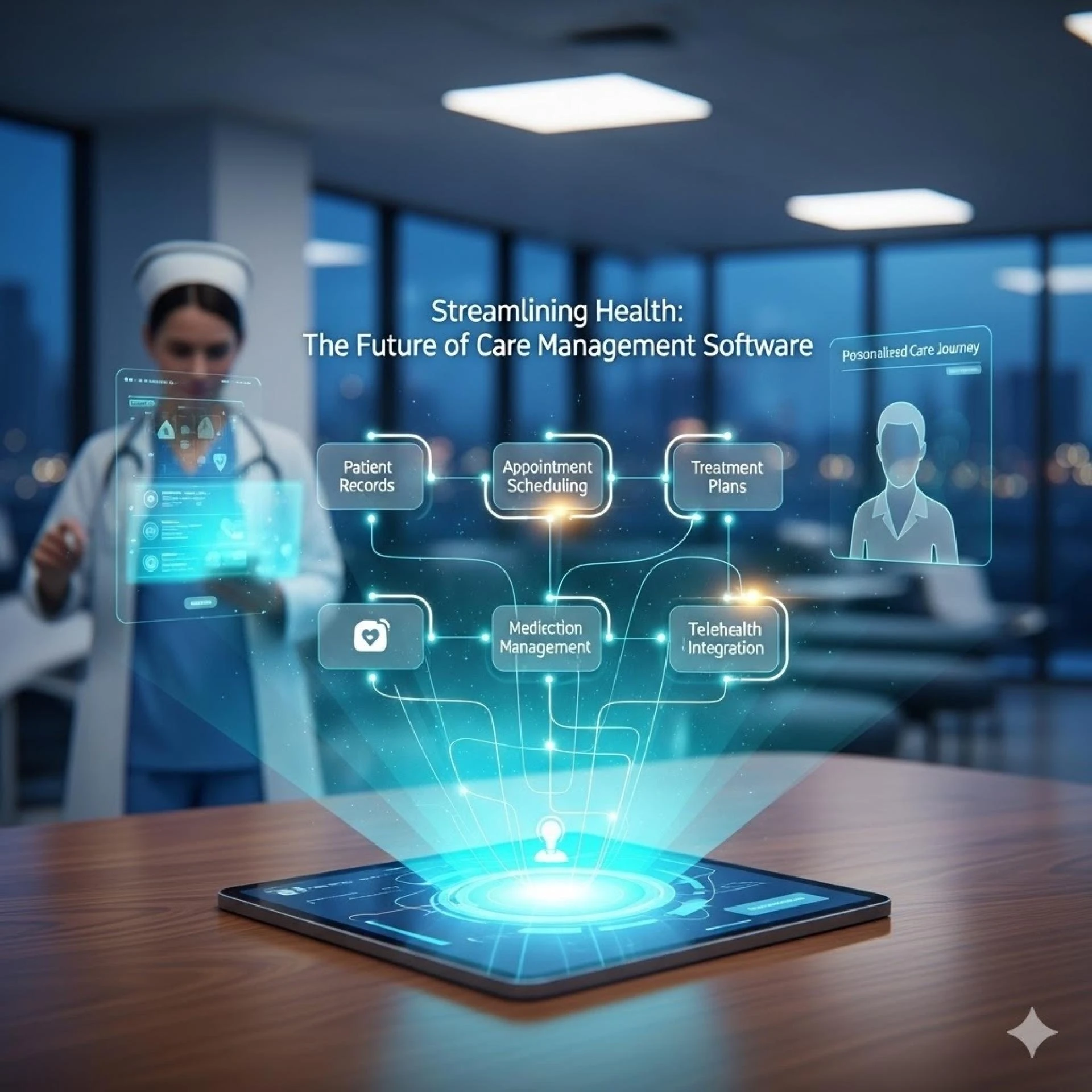

The healthcare landscape is shifting rapidly, moving away from fragmented services toward a more cohesive, patient-centered model. As the industry evolves, the need for integrated digital tools has never been greater. Both insurance entities and healthcare delivery systems are searching for ways to close gaps in care, reduce administrative friction, and improve patient outcomes. Finding the best care management software for payors and providers is no longer just a technical upgrade; it is a strategic necessity.
The Shift Toward Unified Care
Historically, payors and providers operated in silos. Payors focused on risk, claims, and utilization, while providers focused on clinical delivery and patient interaction. However, value-based care has blurred these lines. Today, success is measured by the quality of the outcome rather than the volume of services.
To thrive in this environment, organizations require a platform that offers a "single source of truth." When data flows seamlessly between the entity paying for the care and the team delivering it, the results are transformative. This synergy is exactly why the search for care management software for payors has become a top priority for forward-thinking healthcare executives.
Why Integration Matters
A unified platform does more than just store data; it translates information into action. Here are the core pillars of a high-performing care management system:
- Comprehensive Population Health Analytics: You cannot manage what you cannot see. The best care management software for payors and providers utilizes advanced analytics to identify high-risk populations. By predicting which patients are likely to require emergency intervention or suffer from chronic disease complications, teams can intervene early.
- Seamless Utilization Management: For payors, managing costs without compromising care is a delicate balance. Modern software automates the prior authorization process and aligns clinical necessity with policy guidelines, reducing the "back-and-forth" that often delays treatment.
- Enhanced Patient Engagement: Technology should bridge the gap between the clinic and the home. Through automated outreach, reminders, and self-service portals, patients become active participants in their own health journey.
- Workflow Automation: Clinicians are often bogged down by manual entry and repetitive tasks. Effective software streamlines these workflows, allowing nurses and case managers to spend more time on patient advocacy and less time on paperwork.
Solving the Payor-Provider Paradox
The friction between payors and providers often stems from a lack of transparency. Payors need to ensure that the care being delivered is cost-effective and evidence-based, while providers need the resources and approvals to treat their patients effectively.
By implementing the best care management software for payors and providers, organizations can foster a more collaborative relationship. When both parties look at the same dashboard, disagreements over medical necessity or billing diminish. Instead, the focus shifts to care coordination—ensuring that a patient transitioning from a hospital to a home setting has the right medications, follow-up appointments, and social support.
The Role of Pharmacy and Nutrition
Modern care management is expanding beyond the traditional doctor’s office. We are seeing a massive trend in integrating pharmacy care and nutrition management into the broader clinical picture. Since medication non-adherence is a leading cause of hospital readmissions, having a software solution that tracks pharmacy interactions is vital.
Similarly, addressing social determinants of health (SDoH), such as food insecurity, is now recognized as a clinical priority. The care management software for payors must be versatile enough to track these non-clinical factors, ensuring that a patient's nutritional needs are met as part of their overall recovery plan.
Choosing the Right Partner
With so many vendors in the marketplace, how do you distinguish a mediocre tool from a world-class solution?
- Scalability: Your software should grow with you. Whether you are managing ten thousand lives or ten million, the architecture must remain robust and responsive.
- Compliance and Security: In an era of increasing cyber threats, HIPAA compliance and data encryption are non-negotiable.
- Interoperability: The software must "talk" to existing Electronic Health Records (EHR) and Hospital Information Systems (HIS). A standalone tool that doesn't sync with other platforms creates more problems than it solves.
- User Experience: If the interface is clunky, staff won't use it. The best tools are designed with the end-user in mind, featuring intuitive navigation and clear visualizations.
Final Thoughts
The goal of any healthcare organization is to deliver the right care at the right time. Achieving this at scale requires a digital foundation that is both flexible and powerful. By investing in the best care management software for payors and providers, organizations can move past the administrative hurdles of the past and focus on what truly matters: the health and well-being of the communities they serve.
In the end, the right technology doesn't just manage care—it enables it. As we look toward the future, the integration of data, analytics, and clinical expertise will continue to define the leaders in the healthcare space. Turning to a comprehensive solution ensures that your organization stays ahead of the curve, delivering value to stakeholders and life-changing results to patients.































Sign in to leave a comment.