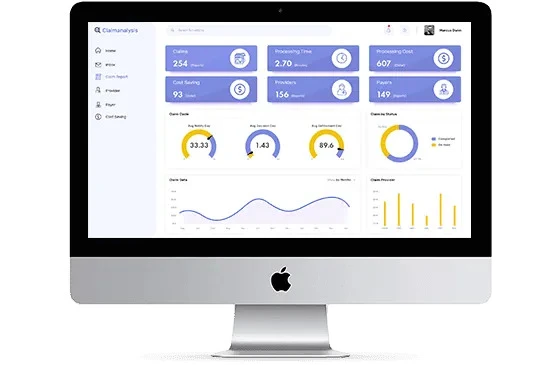

A clearinghouse software solutions in the healthcare context is an intermediary that processes and facilitates the exchange of information between healthcare providers and insurance payers. The primary function of a clearinghouse is to ensure that the claims submitted by healthcare providers are accurate, complete, and comply with payer-specific requirements. By acting as a mediator, clearinghouses help to reduce claim denials and streamline the reimbursement process.
Benefits of Integration
Enhanced Accuracy: One of the most significant advantages of integrating a clearinghouse with hospital scheduling software is improved accuracy. Manual data entry is prone to errors, which can lead to claim denials or delays. Integration ensures that patient information and appointment details are accurately transferred from the scheduling system to the clearinghouse, reducing the likelihood of mistakes.Reduced Administrative Burden: Without integration, hospital staff must manually enter data into multiple systems, which is time-consuming and labor intensive. By automating these processes, hospital scheduling software with clearinghouse integration streamlines administrative tasks, allowing staff to focus on patient care rather than paperwork.Key Considerations for Successful Integration
To reap the full benefits of clearinghouse integration, hospitals should consider the following factors:
Compatibility: Ensure that the hospital’s scheduling software is compatible with the chosen clearinghouse. Integration should be seamless and not disrupt existing workflows.Data Security: Given the sensitive nature of healthcare data, security is paramount. Both the scheduling software and clearinghouse must adhere to strict data protection regulations, such as HIPAA in the United States.Conclusion
Clearinghouse integration with hospital scheduling software represents a significant advancement in healthcare administration. By automating claims processing and streamlining administrative tasks, this integration enhances accuracy, reduces administrative burdens, and accelerates reimbursement cycles. As healthcare continues to embrace digital transformation, leveraging such integrated solutions will be crucial for improving operational efficiency and delivering better patient care. Hospitals that adopt these technologies can expect to see not only a boost in their financial performance but also a more satisfying experience for their patients.

























Sign in to leave a comment.