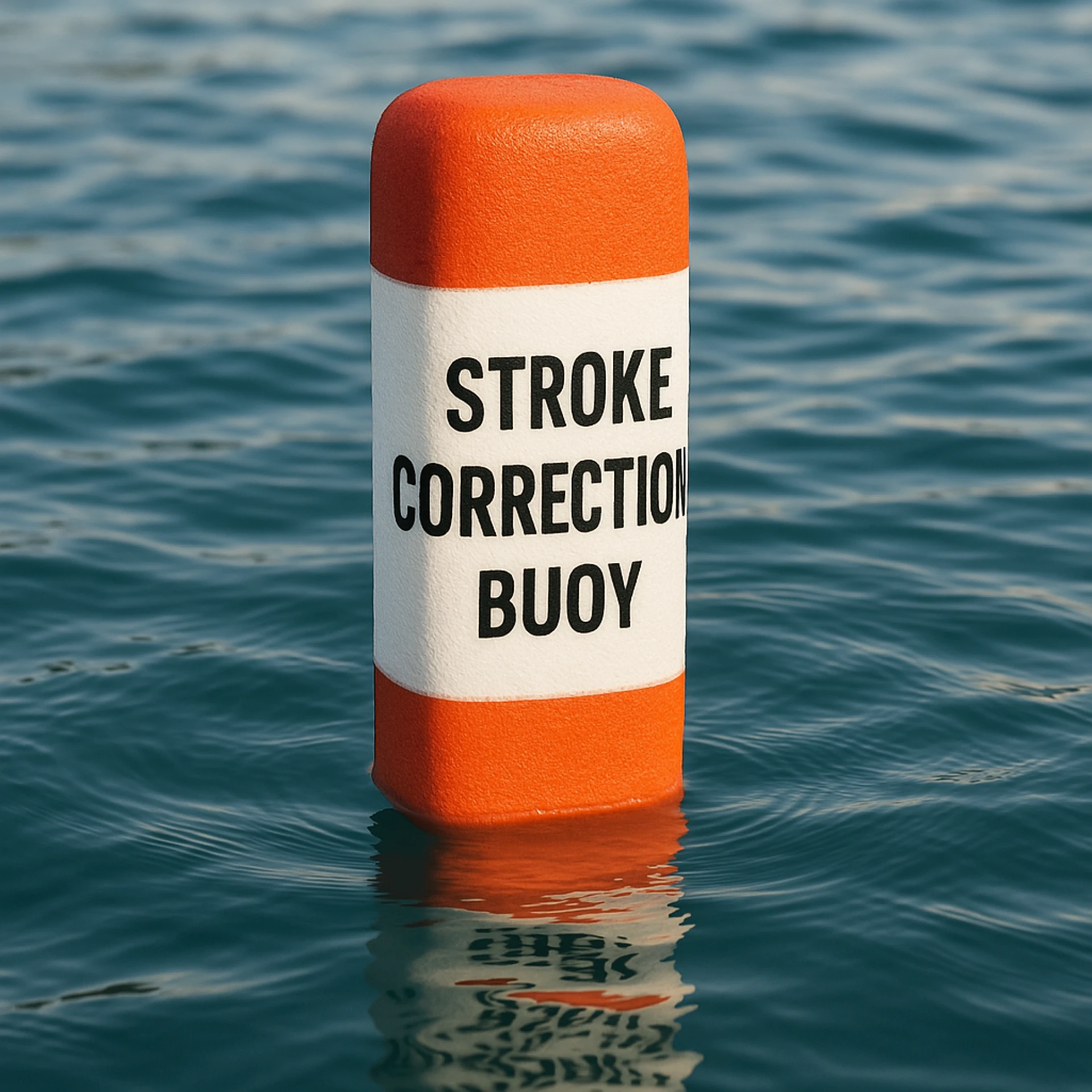
Swimming is a powerful full-body workout that boosts endurance, strength, and flexibility. But for many swimmers, maintaining the correct stroke technique can be a big challenge. Small mistakes in form can lead to inefficient movement, fatigue, or even injury. This is where the Stroke Correction Buoy comes into play.
A stroke correction buoy is a specially designed training tool used in swimming to help swimmers improve their technique. It supports the legs and isolates the upper body, allowing swimmers to focus entirely on arm movements and breathing. It helps develop a proper body position, balance, and a more efficient stroke. This tool is widely used by both beginners and professionals looking to fine-tune their swimming skills.
In this article, we will explore everything you need to know about the stroke correction buoy. From how it works to the best ways to use it, this guide covers all aspects in simple, easy-to-understand language. Whether you're just starting out or you're a coach helping others improve, this article will be your go-to resource.
Here are the six key sections we’ll cover:
- What Is a Stroke Correction Buoy?
- Benefits of Using a Correction Buoy
- How to Use It Correctly
- Choosing the Right Buoy Design
- Common Mistakes to Avoid
- Tips for Faster Stroke Improvement
What Is a Stroke Correction Buoy?
A stroke correction buoy is a piece of training equipment used in swimming pools. It is usually made of lightweight foam and is shaped like a figure eight or a wedge. This buoy is placed between the swimmer’s thighs or ankles to keep the legs floating and prevent kicking.
By keeping the legs still, the swimmer is forced to concentrate on using their arms and improving their stroke. This allows the swimmer to feel the water better and refine each pull of their stroke without distractions.
Correction buoys are especially helpful for freestyle and backstroke training, but they can also be used for butterfly and breaststroke when focusing on upper-body strength and form.
One of the main goals of the stroke correction buoy is to promote body alignment in the water. Swimmers often struggle with sinking hips, which create drag and slow them down. The buoy helps lift the lower body, ensuring a streamlined position and better performance.
This tool is often used during drills or warm-ups, and even professional swimmers include it in their routines. Its simplicity makes it suitable for all skill levels, from young learners to competitive athletes.
Benefits of Using a Correction Buoy
The stroke correction buoy offers many benefits to swimmers of all levels. It is not just a training tool but a key to unlocking better swimming efficiency. Here are some of the major advantages:
- Improved Body Position: The buoy helps lift the hips and legs, creating a more horizontal position in the water. This reduces drag and makes swimming easier and faster.
- Focus on Arm Technique: Since you don’t have to kick, your attention shifts to perfecting your arm movements. This is crucial for refining your stroke and making each pull effective.
- Stronger Upper Body: Using the buoy means your arms do all the work. Over time, this builds shoulder, arm, and back strength, which are essential for competitive swimming.
- Better Breathing Practice: With your lower body stabilized, you can focus more on breathing rhythm and technique. This helps improve your oxygen intake and overall swimming rhythm.
- Endurance Building: Swimming without kicking is more demanding on your upper body, helping you develop muscular endurance.
- Great for Recovery: On days when you need to go easy, the buoy lets you swim without stressing your legs. This makes it perfect for active recovery sessions.
These benefits show why stroke correction buoys are widely used in swim practices. They allow swimmers to break bad habits, build strength, and swim more efficiently.
How to Use It Correctly
Using a stroke correction buoy might look simple, but to get the most out of it, you need to use it the right way. Here are some important steps and tips:
- Positioning: Place the buoy between your thighs or ankles. Most swimmers use it between the thighs for better control. The narrow part of the buoy should face downward to stay secure.
- Body Alignment: Keep your body straight and hips up. Don’t arch your back or lift your head too high. Let your body glide through the water with minimal resistance.
- Arm Movements: Focus on long, strong arm pulls. Make sure your hands enter the water correctly and that you complete each pull fully. Avoid short strokes or rushed movements.
- Breathing: Practice breathing smoothly. Turn your head just enough to get air and return quickly to a neutral position. This will help you stay in rhythm and avoid body wobble.
- No Kicking: Resist the urge to kick. The point of the buoy is to isolate your legs. Let them float while your arms do all the work.
- Drills: Use the buoy in specific drills like catch-up drill, single-arm swimming, or pulling sets. These drills help target weak points in your stroke.
Using the stroke correction buoy in the right way will make your training more effective. You’ll build technique, strength, and balance with every swim.
Choosing the Right Buoy Design
Not all stroke correction buoys are the same. The design you choose can affect your comfort and performance. Here are some points to consider when picking the right one:
- Size and Shape: Buoys come in different sizes and shapes. Figure-eight and hourglass shapes are the most common. Larger buoys offer more floatation, which is great for beginners. Smaller ones provide less support but help build core strength.
- Material: Most buoys are made of EVA foam, which is lightweight and durable. Make sure the material is soft enough to prevent skin irritation but strong enough to last many sessions.
- Grip Texture: Some buoys have textured surfaces to keep them from slipping. This is useful during fast swims or if you sweat easily.
- Ankle Buoys: Advanced swimmers may use ankle buoys, which offer minimal support and demand more core control. These are great for developing advanced stability and strength.
- Color and Design: Though not performance-related, bright colors are easier to see in a crowded pool. Some swimmers also prefer fun or motivational designs.
When buying a stroke correction buoy, consider your skill level and training goals. Beginners should go for larger, softer buoys, while experienced swimmers might prefer compact, firm models for more challenge.
Common Mistakes to Avoid
Even though a stroke correction buoy is simple to use, swimmers often make mistakes that reduce its effectiveness. Here are the most common ones:
- Incorrect Placement: Placing the buoy too low or too high can affect your balance. Always position it between the thighs for standard use unless doing ankle-specific drills.
- Over-Reliance: Don’t use the buoy in every set. If you use it too much, your kicking skills might weaken. Balance buoy work with regular swimming.
- Poor Arm Technique: Many swimmers forget about form and just go through the motions. Always focus on clean strokes, good hand entry, and full extension.
- Tight Grip: Holding the buoy with too much pressure between your legs can create tension in your hips and lower back. Keep your hold firm but relaxed.
- Neglecting Breathing: Some swimmers hold their breath or turn too late. Practice smooth, regular breathing even when using the buoy.
- Ignoring Feedback: Pay attention to how your body feels in the water. If your hips drop or your stroke feels rushed, stop and reset your form.
Avoiding these mistakes will help you get the full benefit of the buoy and make your training more productive.
Tips for Faster Stroke Improvement
To improve your stroke faster using a stroke correction buoy, follow these tips:
- Use With Purpose: Don’t just use the buoy randomly. Have a plan. Focus on a specific goal in each session, like smoother arm pulls or better breathing.
- Mix With Drills: Combine the buoy with technical drills. Try catch-up drill, fingertip drag, or sculling. These help fine-tune different parts of the stroke.
- Record and Review: Ask someone to record your swim. Watch your stroke and look for areas that need improvement. This can give you insight that you don’t feel while swimming.
- Use With Snorkel: Pair the buoy with a front snorkel. This allows you to forget about breathing for a while and purely focus on stroke technique.
- Track Progress: Keep a journal of your practice sessions. Note what felt easy, what was hard, and what drills helped the most. This keeps you motivated and consistent.
- Stay Relaxed: A relaxed body moves better in water. Don’t be stiff or tense. Keep your head down, back straight, and let the water carry you.
Improvement doesn’t happen overnight. But with consistent practice and smart use of your buoy, you will notice smoother, faster swimming in just a few weeks.
Conclusion
The stroke correction buoy is one of the most useful tools in a swimmer’s kit. It helps swimmers isolate their arms, build better technique, and find the right body position in the water. Whether you’re a beginner or training for competition, using this tool correctly can take your swimming to the next level.
Remember to choose the right buoy, use it with good form, and avoid common mistakes. Stay patient, stay focused, and enjoy your time in the water.
Questions and Answers
Q1: Can beginners use a stroke correction buoy? Yes, beginners can use it. It helps them develop better body alignment and arm strength from the start.
Q2: How often should I train with the buoy? 2–3 times per week is a good balance. Use it during technique sets or recovery swims.



























Sign in to leave a comment.