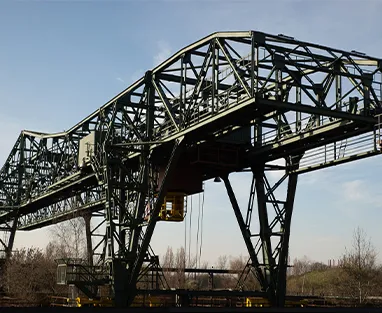

You hear “flat bars” and picture a bland piece of metal. In reality, they’re the quiet workhorses that keep bridges, warehouses, and skyscrapers standing up straight. No flash, no hype—just plain steel doing its job. If you’re in the business of building, you need to understand why these flat bars matter, how they solve everyday problems, and what to look for when you buy them.
1. What Flat Bars Actually Do
Flat bars are long, rectangular sections of structural steel, typically used where strength and simplicity are key. Unlike angle bars or tubes, their uniform shape makes them easy to bolt, weld, or stitch into frames. That means faster assembly and fewer mistakes on site. Whether you’re erecting a steel portal frame or reinforcing a concrete slab, flat bars provide a reliable, load‑bearing surface that distributes stress evenly.
2. Why They’re Worth the Money
Cost is a constant headache in construction. Flat bars win because they combine high tensile strength with low material waste. You can cut them to length with minimal scrap, and their flat surface makes it simple to attach other components. Compared with concrete, they’re lighter, cut down on foundation load, and speed up erection time. In a market where steel prices swing like a pendulum, choosing a standard flat bar eliminates the premium you’d pay for exotic shapes.
3. Choosing the Right Grade and Size
Not all flat bars are created equal. The grade—usually specified as ASTM A36, A572, or higher—determines how much load the bar can carry. Thicker gauges mean more strength but also higher cost and weight. For most structural frames, a 10 mm thickness on a 150 mm width does the trick; for heavy‑duty applications like bridge decks, you’ll step up to 20 mm or more. Always check the flat bar specifications: yield strength, elongation, and surface finish matter for welding and corrosion resistance.
4. Installation Made Simple
Flat bars shine during installation. Their flat faces line up perfectly with bolts and plates, reducing the need for complicated alignment tools. When welding, the even surface means heat distribution is predictable, lowering the risk of warping. For bolted connections, you get a larger bearing area, which translates to fewer bolts and less labor. The result? Shorter construction timelines and fewer headaches for the foreman.
5. Comparing Flat Bars to Other Profiles
If you’re deciding between flat bars, angle bars, or I‑beams, ask yourself: “Do I need depth or width?” Angle bars are great for corner reinforcement, but they waste material on the unused leg. I‑beams provide depth but are overkill for simple bracing. Flat bars sit in the sweet spot—wide enough for robust connections, thin enough to stay light. In many cases they replace multiple smaller pieces, cutting down on inventory and simplifying ordering.
6. Real‑World Examples
A mid‑size warehouse in Gujarat used 12 mm × 200 mm flat bars for its roof trusses. The project finished two weeks ahead of schedule because the bars were easy to bolt together, and the contractor didn’t have to wait for custom‑cut steel. In another case, a bridge retrofit in Pune replaced corroded I‑sections with high‑grade flat bars, saving 15 % on material costs while improving load distribution.
7. Getting Quality You Can Trust
Don’t gamble on cheap, low‑grade steel. Look for suppliers that provide mill certificates and traceability. A reliable partner will test each batch for tensile strength and offer consistent dimensions. When you buy quality flat bars, you avoid costly re‑work, unexpected failures, and the dreaded “change order” nightmare.
Flat bars may not win design awards, but they are the unsung backbone of sturdy, cost‑effective construction. Understanding their strengths, picking the right grade, and working with a trustworthy supplier can shave weeks off a schedule and thousands off a budget. In a world full of flashy materials, sometimes the plain‑spoken answer is the best one: solid steel, flat shape, and a job done right.


























Sign in to leave a comment.