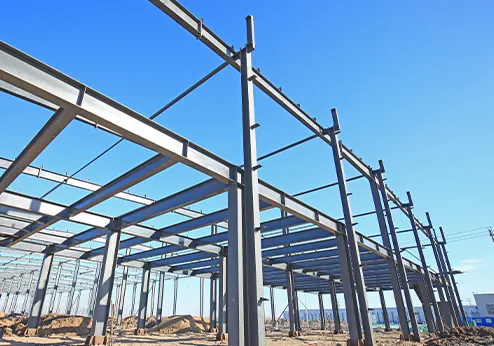

When you're building anything from a small home addition to a massive commercial skyscraper, the choice of structural materials is crucial. Structural steel beams have been the backbone of construction for over a century, and for good reason. These sturdy metal components provide the strength and stability needed to support buildings, bridges, and countless other structures we rely on daily.
What Are Structural Steel Beams?
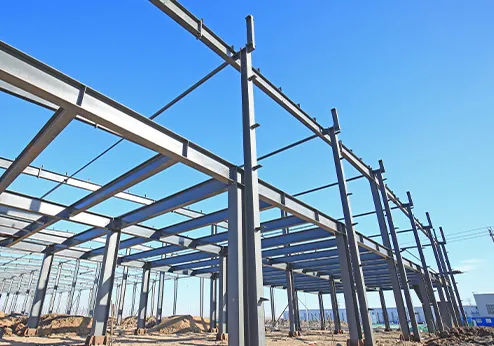
Structural steel beams are long, straight pieces of steel designed to carry heavy loads. They come in various shapes and sizes, with I-beams, H-beams, and T-beams being the most common. Each type has its specific use, depending on the load requirements and architectural design of the project. Steel beams work by distributing weight evenly across their length, transferring the load to supporting columns or walls.
Advantages of Using Structural Steel Beams
One of the biggest benefits of structural steel beams is their incredible strength-to-weight ratio. Steel can support much more weight than wood or concrete of the same size, allowing for larger open spaces and taller buildings. This material also offers excellent durability, resisting rot, pests, and fire when properly treated. Additionally, steel beams can be prefabricated off-site, speeding up construction time and reducing on-site labor costs.
Types of Structural Steel Beams and Their Applications
Different beam types serve different purposes in construction. I-beams, with their distinctive cross-section, are ideal for spanning long distances and supporting heavy loads. H-beams, similar in shape but with wider flanges, provide even greater load-bearing capacity. T-beams are often used in floor systems, while box beams offer superior torsional strength for specialized applications. Understanding which type to use is crucial for ensuring structural integrity and cost-effectiveness.
Installation and Maintenance Considerations
Installing structural steel beams requires careful planning and expertise. Engineers must calculate precise load requirements and ensure proper connections between beams and other structural elements. During construction, temporary supports may be needed until the entire structure is complete. Once installed, steel beams require minimal maintenance, though regular inspections are recommended to check for corrosion or damage. Proper coating and treatment can significantly extend the lifespan of these structural elements.
The Future of Structural Steel in Construction
As building technology advances, structural steel continues to evolve. New alloys and manufacturing techniques are producing even stronger, lighter beams. Computer-aided design allows for more complex and efficient beam configurations. Additionally, the recyclability of steel makes it an environmentally friendly choice in an era of increasing sustainability concerns. These innovations ensure that structural steel beams will remain a fundamental component of construction for years to come.
Cost Considerations and Value
While structural steel beams may have a higher upfront cost compared to some alternatives, their long-term value often outweighs the initial investment. The speed of construction, reduced labor costs, and minimal maintenance requirements contribute to overall project savings. When you factor in the durability and strength of steel, it becomes clear why this material remains the preferred choice for many builders and architects.
Making the Right Choice for Your Project
Selecting the appropriate structural steel beams for your construction project requires careful consideration of various factors. Load requirements, building codes, environmental conditions, and budget all play a role in this decision. Consulting with structural engineers and experienced contractors can help ensure you choose the right beams for your specific needs. Remember, the strength and stability of your entire structure depend on these crucial components.


























Sign in to leave a comment.