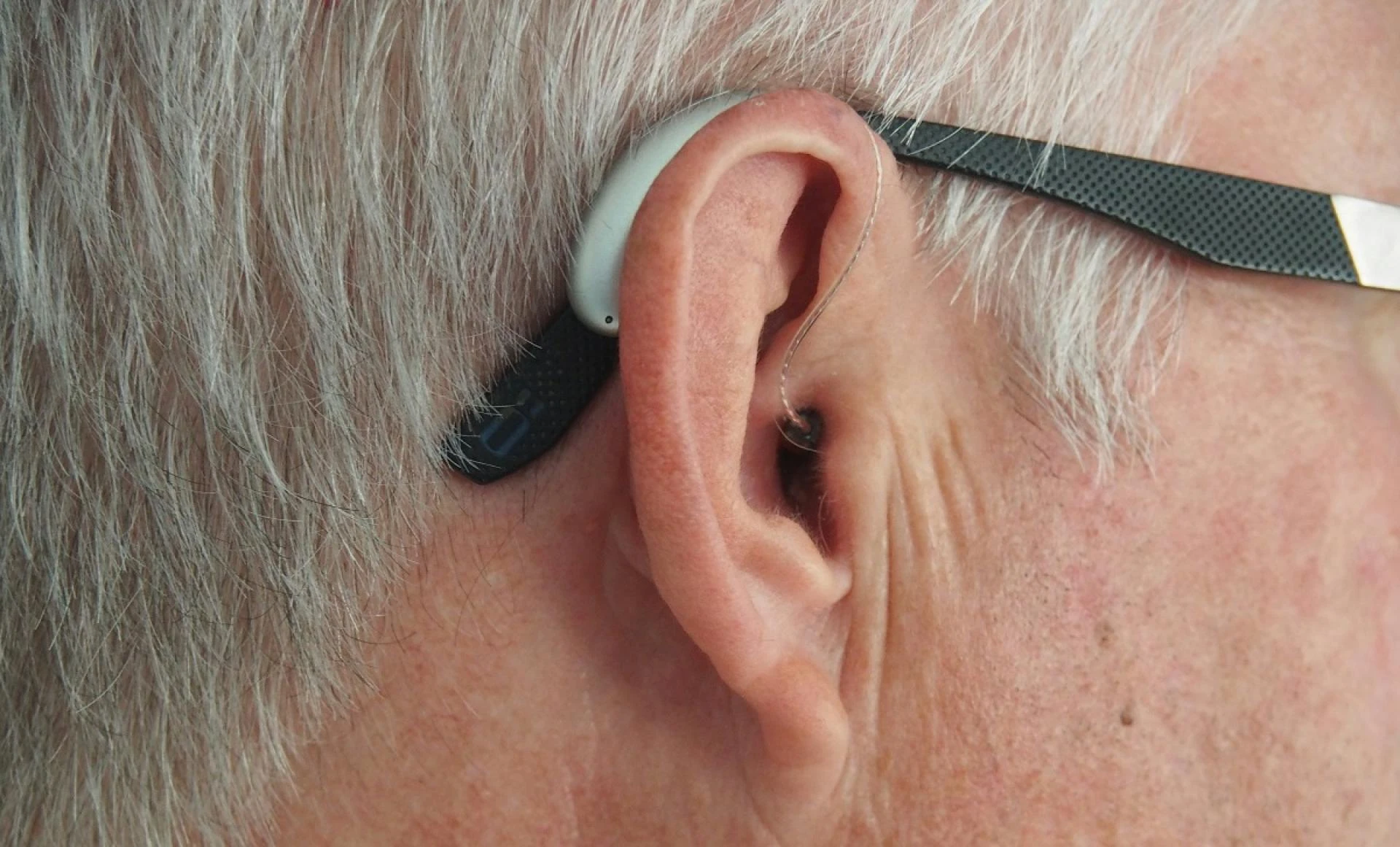

Experiencing ear pressure can be a bothersome sensation, whether it's due to changes in altitude, sinus congestion, or ear infections. The discomfort may range from mild to severe and can interfere with daily activities like flying, diving, or driving. Fortunately, there are effective techniques you can use to quickly relieve ear pressure and restore comfort. In this comprehensive guide, we'll explore various methods to How to Pop Your Ears fast, helping you find relief when you need it most.
Understanding Ear Pressure
Ear pressure occurs when there's a difference in air pressure between the middle ear and the outside environment. The Eustachian tube, a narrow passage that connects the middle ear to the back of the throat, is responsible for equalizing this pressure. However, factors like rapid altitude changes, sinus congestion, or ear infections can disrupt this balance, leading to a feeling of fullness, discomfort, or even temporary hearing loss.
You can also read our other articles, https://almukhbir.com/
Techniques to Pop Your Ears Fast
Here are several effective techniques you can use to quickly relieve ear pressure:
1. Yawning
Yawning is a natural reflex that helps open the Eustachian tubes, allowing air to flow in and equalize pressure in the middle ear.
How to do it:
Open your mouth wide.Inhale deeply and exhale slowly, mimicking a yawn.Repeat the process several times until you feel relief.Tips:
Yawning can be triggered by thinking about yawning or watching someone else yawn.This technique is particularly effective during altitude changes, such as when flying or driving through mountains.2. Swallowing
Swallowing helps activate the muscles around the Eustachian tubes, facilitating pressure equalization.
How to do it:
Take small sips of water.Chew gum or suck on candy to encourage swallowing.Repeat the swallowing motion frequently until you feel the pressure release.Tips:
Swallowing can be done consciously or involuntarily.This method is useful during activities that involve rapid pressure changes, such as flying or diving.3. Valsalva Maneuver
The Valsalva maneuver involves closing the mouth, pinching the nostrils shut, and gently blowing air through the nose. This technique helps to open the Eustachian tubes and equalize pressure in the middle ear.
How to do it:
Pinch your nostrils closed with your fingers.Take a deep breath and close your mouth.Gently blow air out through your nose while keeping your nostrils pinched.Repeat the process until you feel the pressure equalize.Tips:
Avoid blowing too forcefully to prevent ear discomfort or injury.This technique is effective for relieving pressure during descent in an airplane or while descending underwater.4. Toynbee Maneuver
The Toynbee maneuver combines swallowing with nasal congestion relief by pinching the nostrils shut and swallowing while keeping the mouth closed. It can help open the Eustachian tubes and relieve ear pressure.
How to do it:
Pinch your nostrils shut.Take a sip of water and swallow while keeping your nostrils pinched.Repeat the process several times.Tips:
This technique is beneficial for individuals with sinus congestion or allergies.It can be performed discreetly in various settings.5. Frenzel Maneuver
The Frenzel maneuver involves closing the nostrils and making a "K" sound with the tongue while keeping the mouth closed. This technique increases pressure in the middle ear and facilitates ear popping.
How to do it:
Pinch your nostrils shut.Close the back of your throat as if swallowing.Make a "K" sound with your tongue while keeping your mouth closed.Repeat the process until you feel relief.Tips:
Practice this maneuver gently to avoid discomfort or injury.It's effective for equalizing pressure during activities like scuba diving or traveling to high altitudes.6. Chewing Gum or Sucking Candy
Chewing gum or sucking on candy promotes saliva production and swallowing, which can aid in opening the Eustachian tubes and relieving ear pressure.
How to do it:
Choose sugar-free gum or candy to avoid excessive sugar intake.Chew gum or suck on candy continuously.Swallow frequently to promote pressure equalization.Tips:
This method is convenient and can be used during various activities.It's particularly helpful for individuals prone to ear pressure during flights or long drives.7. Warm Compress
Applying a warm compress to the affected ear can help reduce congestion and inflammation, making it easier to pop the ears by opening the Eustachian tubes.
How to do it:
Dip a clean cloth in warm water and wring out the excess.Hold the warm cloth against the ear for 5-10 minutes.Repeat the process as needed to relieve pressure.Tips:
Ensure the compress is warm but not hot to avoid burns.This technique is soothing and can be combined with other methods for enhanced relief.8. Nasal Decongestants or Antihistamines
Over-the-counter nasal decongestants or antihistamines can help reduce nasal congestion and inflammation, which may facilitate Eustachian tube opening and ear popping.
How to do it:
Follow the dosage instructions on the medication packaging.Use nasal sprays or oral antihistamines as directed by your healthcare provider.Combine with other techniques like yawning or swallowing for optimal results.Tips:
Use nasal decongestants for short durations to avoid rebound congestion.Consult your healthcare provider before using any medication, especially if you have underlying health conditions or are taking other medications.9. Jaw Movements
Moving the jaw in various directions can help to open the Eustachian tubes and relieve ear pressure. Simple exercises like opening and closing the mouth or moving the jaw from side to side can be beneficial.
How to do it:
Open and close your mouth repeatedly.Move your jaw from side to side.Perform gentle jaw exercises to encourage muscle relaxation and pressure equalization.Tips:
Practice jaw movements regularly to maintain Eustachian tube function.This technique is beneficial for individuals prone to ear pressure due to jaw misalignment or temporomandibular joint (TMJ) issues.10. Head Tilt Technique
Tilting the head to one side while performing swallowing or yawning motions can enhance Eustachian tube opening and promote ear popping.
How to do it:
Tilt your head to the side with the affected ear facing upwards.Perform swallowing or yawning motions while maintaining the head tilt.Repeat the process until you feel relief from ear pressure.Tips:
Experiment with different head tilt angles to find the most effective position.This technique is suitable for situations where manual manipulation of the ears is not feasible, such as during driving or other activities.
































Sign in to leave a comment.