
Melasma is a common skin condition that manifests as brown or gray-brown patches on the face, particularly on the cheeks, forehead, and upper lip. This condition often affects women more than men, leading to concerns about skin tone and overall appearance. For individuals living in Glasgow, the quest for effective melasma treatment can be overwhelming, given the myriad of options available. However, understanding the causes and treatments for melasma can guide those affected toward the right solutions.
Understanding Melasma: Causes and Symptoms
Melasma is not just a cosmetic concern; it is a complex skin disorder that can stem from multiple factors. Hormonal changes due to pregnancy, birth control pills, or hormone replacement therapy are significant contributors. The condition is often exacerbated by sun exposure, as ultraviolet (UV) rays can trigger the production of melanin, the pigment responsible for skin color. Genetics also play a crucial role, with individuals having a family history of melasma being at a higher risk.
The symptoms of melasma are primarily visual, presenting as dark patches that can vary in size and shape. Often, these patches are symmetrical, appearing on both sides of the face. The skin may also feel sensitive, and some individuals report a slight itching or burning sensation. The emotional and psychological impact of melasma can be profound, leading to a decrease in self-esteem and confidence. Understanding these aspects is vital for those seeking treatment, as it highlights the importance of addressing both the physical and emotional ramifications of the condition.
Exploring Treatment Options for Melasma
When it comes to melasma treatment in Glasgow, individuals have access to a spectrum of options, ranging from topical treatments to advanced procedures. The choice of treatment often depends on the severity of the condition, skin type, and individual preferences. Consultation with a qualified dermatologist is essential in determining the most appropriate course of action.
Topical Treatments
Topical treatments are often the first line of defense against melasma. Many dermatologists recommend the use of hydroquinone, a skin-lightening agent that reduces melanin production. Other common ingredients in topical formulations include tretinoin, corticosteroids, and azelaic acid. These compounds work synergistically to lighten the dark patches and promote an even skin tone. It is important to note that topical treatments require consistent application and may take several weeks to show significant results.
Furthermore, the incorporation of sun protection is crucial when managing melasma. Sunscreen with a high SPF should be a part of any treatment regimen, as sun exposure can worsen the condition. Many clinics in Glasgow emphasize the importance of daily sun protection, advising patients to apply broad-spectrum sunscreen even on cloudy days or when staying indoors, as UV rays can penetrate windows.
Chemical Peels and Laser Treatments
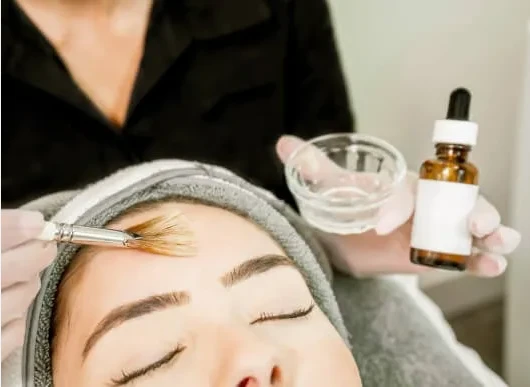
For those seeking more immediate results, chemical peels and laser treatments are viable options. Chemical peels involve the application of a chemical solution to the skin, which exfoliates the top layers and promotes the growth of new, healthier skin. These peels can be customized according to the individual's skin type and the severity of melasma.
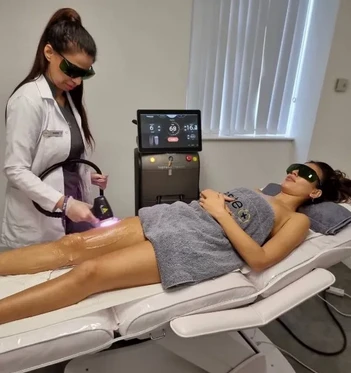
Laser treatments have also gained popularity in recent years. Various lasers, such as fractional lasers and intense pulsed light (IPL), target melanin deposits in the skin. These treatments can effectively reduce the appearance of melasma, often requiring multiple sessions for optimal results. Glasgow clinics are equipped with advanced technology, ensuring that patients receive safe and effective treatment tailored to their needs.
Microneedling and Other Advanced Techniques
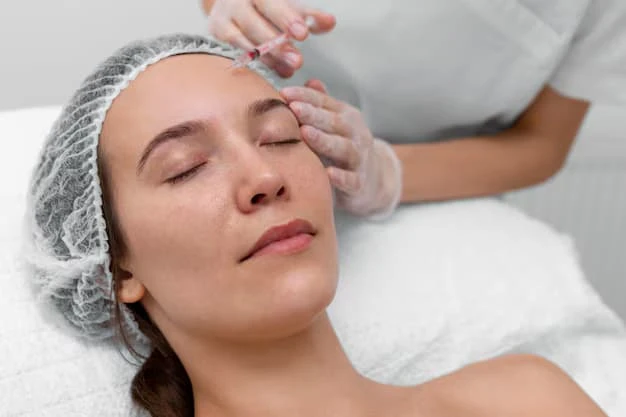
Microneedling is another innovative approach gaining traction in the treatment of melasma. This technique involves using fine needles to create micro-injuries in the skin, stimulating collagen production and enhancing the absorption of topical treatments. Many patients have reported positive outcomes, feeling that their skin appears clearer and more rejuvenated after a series of microneedling sessions.
Additionally, some clinics offer combination therapies that integrate various treatment modalities. For example, a patient might undergo a chemical peel followed by microneedling to maximize results. This comprehensive approach can be particularly beneficial for individuals with stubborn melasma that has not responded well to traditional treatments.
Finding the Right Clinic in Glasgow
When seeking melasma treatment in Glasgow, it's essential to choose a reputable clinic with experienced practitioners. Patients should look for clinics that prioritize individualized care, ensuring that each treatment plan is tailored to their specific needs and skin type. Checking online reviews and testimonials can provide insight into the experiences of previous clients and help in making an informed decision.
Additionally, most reputable clinics will offer initial consultations, allowing potential patients to discuss their concerns and treatment options without committing to a procedure. During these consultations, practitioners can assess the severity of melasma and recommend a personalized treatment plan. This collaborative approach fosters trust and ensures that patients feel supported throughout their treatment journey.
The Importance of Aftercare and Lifestyle Adjustments
Effective treatment for melasma extends beyond clinical interventions. Aftercare is crucial for maintaining results and preventing recurrence. After undergoing treatments such as chemical peels or laser therapy, patients are often advised to follow specific aftercare instructions, which may include avoiding sun exposure, using gentle skincare products, and staying hydrated.
Lifestyle adjustments can also play a significant role in managing melasma. For instance, individuals should aim to maintain a healthy diet rich in antioxidants, which can support skin health. Foods like berries, leafy greens, and nuts provide essential nutrients that help combat oxidative stress and promote a radiant complexion.
Moreover, stress management techniques, such as yoga and meditation, can be beneficial. Stress has been linked to various skin conditions, including melasma, as it can trigger hormonal fluctuations that exacerbate the disorder. By integrating holistic practices, individuals can improve not only their skin health but also their overall well-being.
Conclusion
Struggling with melasma can be a challenging experience, but there are numerous clinics in Glasgow equipped to provide effective treatment options. From topical solutions to advanced procedures, individuals have access to a variety of approaches tailored to their unique needs.
For those seeking a reputable clinic, Este Medical Group stands out as a notable option, offering personalized care and a range of treatment modalities designed to combat melasma. If you are ready to take the next step towards clearer skin, reach out to Este Medical Group today and discover how their dedicated team can help you regain your confidence and achieve a more radiant complexion.


























Sign in to leave a comment.