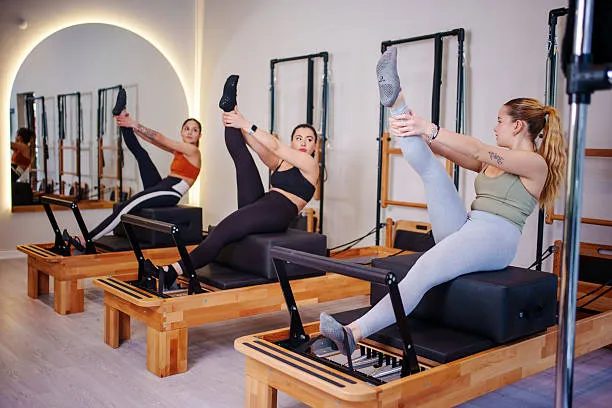

Tight muscles are something many people deal with every day. It can come from long hours at a desk, repeated movements, or even stress building up in the body. You might notice it when you wake up feeling stiff, struggle to bend easily, or feel constant tension in your neck and shoulders.
This is where Pilates can make a real difference. It’s a gentle yet effective way to release tightness, improve movement, and help your body feel more comfortable again. Instead of forcing stretches, Pilates works with your body to restore balance and control.
Why Do Muscles Become Tight?
Tightness doesn’t just happen overnight. It usually builds up over time due to daily habits.
Common reasons include:
- Sitting for long periods
- Poor posture while working or using your phone
- Lack of regular movement
- Repeating the same motions during exercise or work
- Stress causing muscles to stay tense
When muscles aren’t used properly, they can shorten and lose flexibility. At the same time, other muscles may become weak, which creates imbalance and discomfort.
How Pilates Helps Release Tight Muscles
Pilates focuses on slow, controlled movements that help your body reset how it moves. It’s not about pushing harder—it’s about moving smarter.
1. Strength and Stretch at the Same Time
Pilates combines gentle stretching with strength work. This helps muscles lengthen while staying stable, which reduces tightness over time.
2. Better Movement Habits
A lot of muscle tightness comes from how we move daily. Pilates teaches your body to move in a more balanced and natural way.
3. Core Support
When your core muscles are working well, they support your spine and reduce strain on areas like your back and hips.
4. Controlled Breathing
Breathing plays a big role in Pilates. It helps relax tight areas and allows muscles to release tension more easily.
Key Benefits of Pilates for Tight Muscles
Less Stiffness
You may start to feel looser after just a few sessions, especially in areas like the hips, shoulders, and back.
Improved Flexibility
Your body gradually becomes more open and easier to move, making everyday tasks feel simpler.
Reduced Discomfort
Tension-related aches often ease as your muscles begin to work more evenly.
Better Posture
Pilates helps you sit and stand with proper alignment, which reduces ongoing strain.
Balanced Strength
Instead of overworking certain muscles, your whole body starts to work together more evenly.
Everyday Situations Where Pilates Helps
Desk Jobs
Sitting for long hours can tighten the hips and lower back. Pilates helps open these areas and improve posture.
Active Lifestyles
If you run, cycle, or lift weights, some muscles may become overused. Pilates helps restore balance and flexibility.
General Body Stiffness
Even without a specific cause, many people feel tight simply from daily routines. Pilates offers a simple way to move more freely.
What to Expect in a Pilates Session
If you’ve never tried Pilates before, the experience is quite different from a typical workout.
You can expect:
- Slow, controlled movements
- Focus on technique rather than speed
- Guidance from a trained instructor
- Exercises that target deep muscles
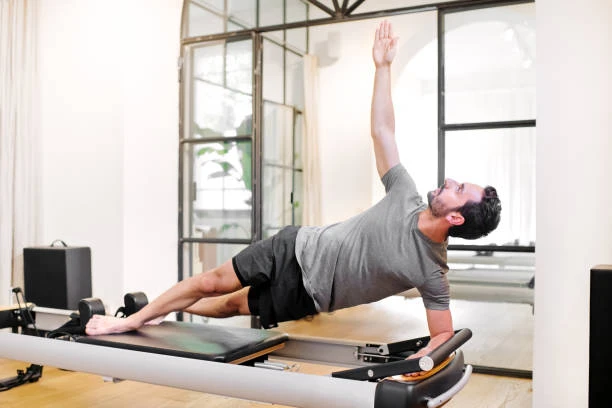
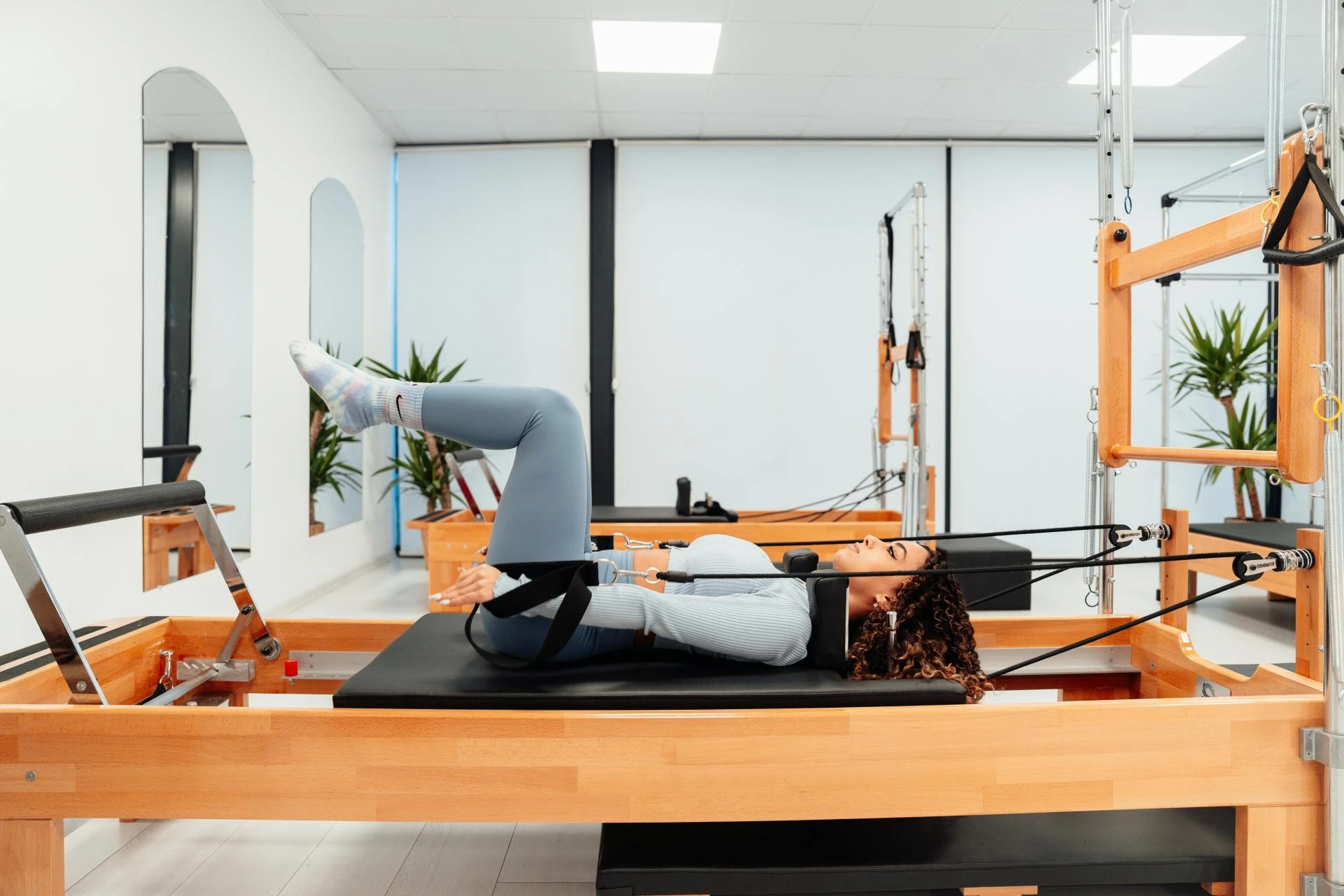
Some sessions may use equipment like a reformer, while others focus on mat-based movements. Either way, the goal is to help your body move better—not just work harder.
Practical Tips to Get the Best Results
Start at Your Own Pace
There’s no need to rush. Begin with simple movements and build confidence over time.
Stay Consistent
Doing Pilates regularly—even a few times a week—can make a noticeable difference.
Pay Attention to Form
Small adjustments in how you move can have a big impact on results.
Don’t Push Through Pain
Pilates should feel controlled and comfortable. If something doesn’t feel right, it’s important to adjust.
Keep Moving Outside Sessions
Light activities like walking or gentle stretching can support your progress.
Why Pilates Works Better Than Stretching Alone
Stretching can help loosen muscles, but it often gives only short-term relief. If the underlying issue isn’t addressed, tightness can return quickly.
Pilates looks at the bigger picture by:
- Strengthening weak muscles
- Supporting proper alignment
- Improving how your body moves overall
This means you’re not just easing tightness—you’re helping prevent it from coming back.
How Soon Will You Feel a Difference?
Everyone is different, but many people notice small changes early on.
You might feel:
- Less stiffness in the morning
- Easier movement during daily tasks
- Reduced tension in common problem areas
With regular sessions, these changes build and become part of how your body feels day to day.
A Simple Way to Feel More Comfortable
Living with tight muscles can make even simple activities feel harder than they should. The good news is that it doesn’t take extreme workouts to fix it.
Pilates offers a calm and steady way to release tension, improve flexibility, and feel more at ease in your body. With the right guidance, it can become a helpful part of your routine.
Conclusion
Tight muscles are often the result of daily habits, not just one-off issues. Pilates helps address these patterns by improving strength, flexibility, and movement all at once.
If you’re looking for a way to feel less stiff and more comfortable, Pilates is a practical option that fits into most lifestyles. Over time, it can help you move better, feel stronger, and enjoy everyday activities without that constant tension.
FAQs
1. Can Pilates help loosen tight muscles?
Yes, Pilates combines gentle stretching and strength, which helps muscles release tension and move more freely over time.
2. How often should I do Pilates?
Around 2–3 times a week is a good starting point. Regular practice leads to better results.
3. Is Pilates suitable if I’m not flexible?
Yes, you don’t need to be flexible to start. Pilates helps improve flexibility gradually.
4. Will Pilates help with everyday stiffness?
Yes, it can reduce stiffness caused by sitting, poor posture, or lack of movement.
5. How is Pilates different from stretching?
Stretching focuses on lengthening muscles, while Pilates also builds strength and improves movement patterns.























Sign in to leave a comment.