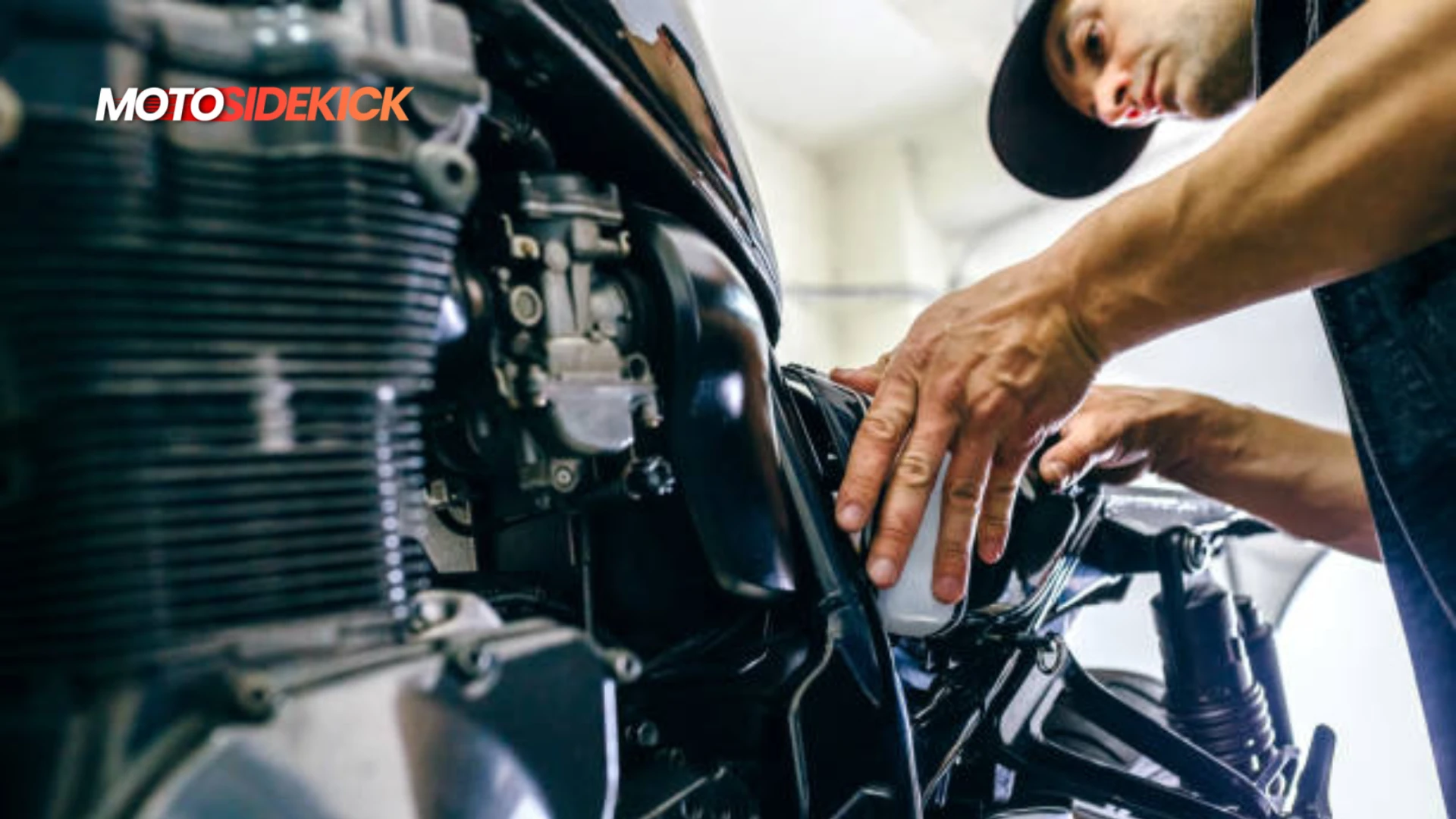

There’s a particular kind of silence that hits when a motorcycle won’t start. It’s not peaceful. It’s heavy. The garage door is open, tools are half laid out, and you are standing there wondering if this is going to be a five-minute fix or the start of a long weekend you did not plan for.
For most riders, this moment is familiar. Maybe the bike died mid-ride and you limped it home. Maybe you were in the middle of a routine oil change and something did not look right. Or maybe the bike has been sitting for months and now refuses to cooperate. Whatever the reason, the problem is the same. You are stuck, the shop is closed or too far away, and you need real answers now.
This is where motorcycle culture often splits into two camps. One side shrugs and waits for a tow or an appointment weeks out. The other side opens a browser and starts digging through forums, YouTube videos, and comment sections, hoping someone else has already solved this exact problem on the same bike.
Sometimes that works. Often it does not.
Over the past few years, a different option has quietly taken hold. Riders are turning to real-time, one-on-one help through their phones. Not canned advice. Not generic videos. Actual guidance from people who know bikes and can see what you are seeing. That shift is at the heart of MotoSidekick, and it reflects how riders are solving problems when the traditional paths fall short.
Press enter or click to view image in full size

The Real Problem Is Not the Repair
Most motorcycle issues are fixable at home. Even intimidating jobs like brake work, electrical troubleshooting, or valve checks usually break down into a series of clear steps once you know what you are looking at.
The real problem is uncertainty.
You do not know if that noise is normal or catastrophic. You do not know whether the part you are about to remove needs a specific torque sequence. You are not sure if the wiring you are about to tap into will drain your battery overnight.
That uncertainty leads to hesitation. Hesitation leads to half-finished jobs, stripped bolts, and bikes sitting for months because something small turned into a mental roadblock.
Riders talk about confidence as if it is a personality trait. In reality, confidence comes from having someone in your corner who has done it before and can say, “Yes, that’s normal,” or “Stop right there before it gets worse.”
When Forums and Videos Fall Short
Forums are a gift to motorcycle culture. They are also a mess.
Threads stretch for years, advice contradicts itself, and half the images are broken. You might find a solution buried on page seven, written by someone who never followed up to say whether it worked. Even when the advice is solid, it rarely accounts for what you are actually seeing in front of you.
YouTube videos are better, but they are still one-way. The bike in the video is never quite your bike. The fastener location is slightly different. The presenter skips a step because it was obvious to them. You pause, rewind, squint, and still feel unsure.
MotoSidekick was built around this gap. The idea is simple. Instead of searching for answers, you bring the problem to someone who can look at it with you in real time.
What Riders Actually Do When They’re Stuck
When riders cannot get to a shop, the pattern is surprisingly consistent.
First, they try to diagnose the issue themselves. They listen, inspect, maybe pull a plug or check a fuse. When that stalls, they look for reassurance more than instructions. They want to know if they are missing something obvious or if it is time to dig deeper.
This is where MotoSidekick steps in.
Using a smartphone, riders connect through video, voice, or chat with experienced mechanics and seasoned riders. They can show the bike live, point the camera at a leak, a wiring harness, or a brake caliper, and talk through what they are seeing.
The difference is immediate. Instead of guessing, the rider gets feedback that is specific to their situation. That specificity is what builds trust.
A Common Scenario: The Bike That Wouldn’t Start
Consider a rider who just replaced their battery. Everything seemed straightforward, but now the bike will not crank. The lights come on. The dash looks fine. The starter is silent.
A forum search brings up a dozen possibilities. Bad battery. Loose ground. Faulty starter relay. Side stand switch. Clutch switch. Kill switch. It is overwhelming.
On MotoSidekick, that rider connects with an expert over video. The expert asks a few targeted questions, watches the rider hit the starter, and asks them to move the camera to the battery terminals. Within minutes, they spot a loose ground connection hidden behind the frame.
The fix takes thirty seconds. The bike starts. The rider learns something they will remember next time.
That is not magic. It is experience applied at the right moment.
Why Real-Time Help Builds Better Riders
There is a misconception that getting help makes riders dependent. In practice, the opposite happens.
When someone explains why a step matters, not just what to do, the knowledge sticks. Riders start to recognize patterns. They become better at diagnosing issues before they escalate.
MotoSidekick leans into this educational side. The platform is not just about fixing today’s problem. It is about building a rider’s confidence over time.
This shows up in the range of services riders use. Some need help with a first oil change. Others want guidance installing heated grips or troubleshooting a complex wiring project. Some book sessions for valve adjustments because they want reassurance the first time through.
The point is not that these riders cannot learn. It is that learning is faster and safer when someone experienced is watching your back.
Trust Comes From Transparency
Trust in online services is earned, not claimed.
MotoSidekick builds trust by being clear about what it offers and what it does not. The AI diagnostic tool is free and available anytime. It helps with quick questions, initial troubleshooting, and maintenance reminders. When a situation needs a human eye, riders can choose to connect with a real person and see the price upfront.
There are no hidden fees. Sessions typically range from thirty to seventy-five dollars depending on complexity, which is often far less than a shop minimum. More importantly, riders know exactly who they are talking to.
Profiles list experience, areas of expertise, and ratings. Many experts are long-time riders, certified mechanics, or shop owners who simply enjoy helping others. That mix of backgrounds reflects the reality of motorcycle culture itself.
The Role of AI Without the Hype
AI has become a loaded term, so it is worth being clear.
MotoSidekick’s AI is not there to replace mechanics or guess blindly. It is there to handle the first layer of questions that clog forums and delay repairs. Things like maintenance schedules, common failure points, or basic diagnostics based on symptoms and photos.
When the AI hits its limit, it does not pretend otherwise. It points riders toward live help. That honesty is part of what makes the system useful rather than frustrating.
For many riders, the AI alone is enough to get unstuck. For others, it becomes a stepping stone to a deeper conversation with a human expert.
Finding the Right Parts Without Guesswork
One of the most common ways a simple repair goes sideways is ordering the wrong part.
Motorcycles are precise machines. Small differences in year, trim, or market can change part compatibility. Riders often end up with boxes of returns and wasted time.
MotoSidekick addresses this through its integrated public marketplace. Riders can find exact-fit parts, gear, and tools recommended by people who understand the context of the repair.
The marketplace is not just a store. It is a continuation of the help process. When an expert says, “You need this part,” the rider can find it without starting a new search from scratch.
Community Matters More Than People Admit
Motorcycling has always been social, even when it looks solitary. Riders swap stories, tips, and warnings. That tradition lives on in digital spaces, but it often lacks structure.
MotoSidekick’s public forum gives riders a place to ask questions, share experiences, and learn from each other without the chaos of endless threads. It complements the one-on-one help by creating a broader sense of community.
For new riders, especially, this matters. Asking a “basic” question can feel intimidating. A supportive environment lowers that barrier and keeps people engaged with their bikes rather than discouraged.
Expertise That Goes Both Ways
One of the more interesting aspects of MotoSidekick is that it is not just for riders needing help. It is also for riders who want to give it.
Experienced mechanics and seasoned DIY riders can sign up as Sidekicks, set their own rates, and choose the projects they want to take on. Some use it as a side hustle. Others see it as a way to give back to the community and fund their own riding habits.
This two-sided model keeps the platform grounded. Advice is coming from people who actively work on bikes, not anonymous profiles chasing clicks.
You can see how partnerships and expert onboarding work at partners.
Press enter or click to view image in full size

A Different Kind of Authority
Authority in the motorcycle world is rarely about titles. It is about whether someone has actually been there.
MotoSidekick does not claim to replace shops or formal training. It fills the space between curiosity and confidence. It respects the intelligence of riders while acknowledging that everyone hits a wall sometimes.
Chris and Andrew Carlone, the people behind the platform, built it around this understanding. They saw how often riders were stalled not by lack of ability, but by lack of timely guidance. The result is a tool that feels less like software and more like having a knowledgeable friend on call.
Real Problems, Practical Help
The range of issues riders bring to MotoSidekick is broad.
Some need help diagnosing engine problems or strange noises. Others want brake maintenance guidance or electrical troubleshooting. Many are simply trying to do routine maintenance right the first time.
The platform supports all major brands, from Harley-Davidson and Honda to BMW and Ducati, and covers everything from modern fuel-injected bikes to vintage carbureted machines.
That breadth matters because riders do not want to wonder if their bike is an exception. They want to know someone has seen this before.
Learning at Your Own Pace
One overlooked benefit of real-time help is control over pace.
In a shop, time is money. At home, with guidance, riders can slow down, ask questions, and understand each step. That leads to fewer mistakes and a deeper grasp of how the bike works.
Many riders use MotoSidekick for jobs they could technically do alone, simply because they want confirmation. Over time, those riders rely on it less because their baseline knowledge has grown.
That is how confidence compounds.
Staying Connected Beyond the Repair
MotoSidekick does not end when the problem is fixed.
Riders stay connected through social channels where tips, stories, and updates circulate. The Facebook community reflects the platform’s original goal of offering live, one-on-one advice. Instagram and TikTok show real-world use cases, quick tips, and behind-the-scenes looks at how riders help each other.
These channels are not marketing noise. They are extensions of the same idea: learning together.
Why This Matters for the Future of Riding
Motorcycles are not getting simpler. Electronics, rider aids, and integrated systems add complexity even as reliability improves. At the same time, fewer people have access to local shops they trust or the luxury of leaving a bike for weeks.
Tools like MotoSidekick reflect a shift toward shared knowledge and flexible help. They do not replace hands-on experience. They make it more accessible.
For riders in rural areas, those with tight schedules, or anyone who values understanding their own machine, this approach makes sense.
When You’re Stuck, You Have Options
Being stuck on a motorcycle repair is frustrating, but it does not have to be isolating.
Riders today have more options than ever. They can learn, connect, and fix problems without waiting for a shop door to open. The key is choosing tools that respect their time and intelligence.
MotoSidekick does that by combining real experience, practical expertise, and a transparent approach to help. It does not promise miracles. It offers guidance when it matters.
If you have ever stood in your garage wondering what to do next, you already understand the value of that.
And the next time it happens, you do not have to figure it out alone.


























Sign in to leave a comment.